
Missing a tooth or several is more than a cosmetic concern. It can affect the way you chew, how you speak, and how confident you feel walking into a room. For decades, bridges and dentures were the only realistic options. Today, dental implants Sandy residents choose have become the gold standard, and the technology behind them has advanced dramatically. Modern implants look, feel, and function like natural teeth in ways that simply weren’t possible a generation ago.
If you’ve been putting off addressing tooth loss because the process seemed complex or intimidating, this guide is for you. Below, you’ll find an honest look at how implant technology has evolved, what the modern procedure actually involves, and why so many patients in Sandy, UT are choosing this lasting solution.
What Are Dental Implants and Why Do They Work So Well?
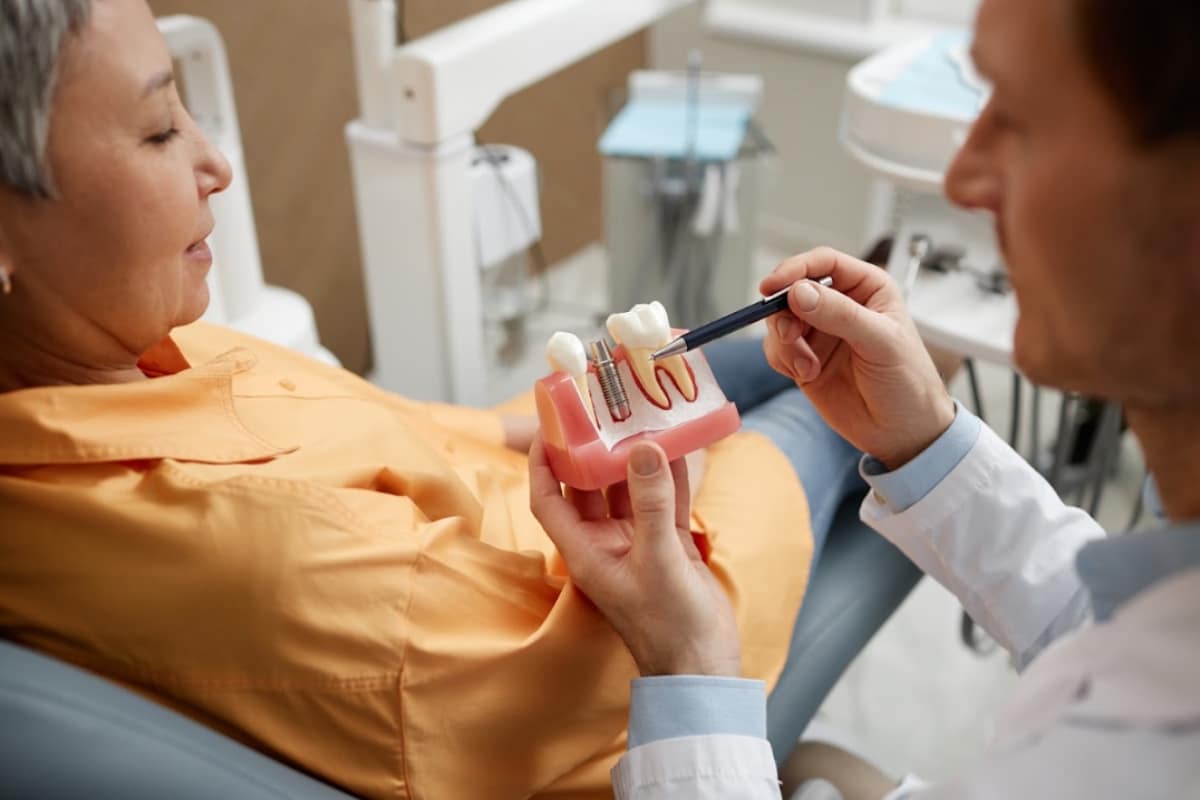
A dental implant is a small titanium post placed into the jawbone to replace the root of a missing tooth. Once it integrates with the bone a natural process called osseointegration a custom-made crown is attached on top. The result is a replacement tooth that is anchored firmly in place, just like a natural one.
This root-level anchoring is what separates implants from other tooth replacement options. Dentures rest on the gum surface, and bridges rely on neighboring teeth for support. Implants stand on their own and actually help preserve the jawbone, which can deteriorate after tooth loss.
Implants don’t just fill the gap they maintain the structure of your jaw, protect adjacent teeth, and restore full biting force. That’s a meaningful difference in long-term oral health.
The Biggest Advances in Dental Implant Technology
The core concept of the dental implant has existed for decades, but the technology used to plan, place, and restore them has transformed considerably. Here’s what has changed:
3D Imaging and Digital Treatment Planning
Modern cone beam CT (CBCT) scans give dentists a three-dimensional view of your jaw structure, nerve locations, and bone density all before the first appointment. This precision reduces surgical time, improves placement accuracy, and means fewer surprises during the procedure.
Guided Implant Surgery
Using digital scans, dentists can now create surgical guides custom devices that direct the implant to its exact planned position in the jaw. This approach is minimally invasive, often requires less recovery time, and is far more predictable than older freehand techniques.
Improved Implant Surfaces
Today’s titanium implants feature micro-textured surfaces that promote faster and stronger bone integration. Research has refined these surfaces so that healing is quicker and more reliable than earlier generations of implants.
Same-Day and Immediate-Load Implants
For appropriate candidates, it’s now possible to receive a temporary crown on the same day the implant is placed. This “teeth in a day” approach has been a game-changer for patients who need functional teeth quickly without a long waiting period.
Zirconia Crowns for Superior Aesthetics
The crown that sits on top of the implant has also evolved. Zirconia crowns made from a strong, tooth-colored ceramic material offer a more natural appearance than older porcelain-fused-to-metal options, with excellent durability to match.
Dental Implants Sandy Patients Rely On: Who Is a Good Candidate?
One of the most common questions patients at Canyons Family Dental Sandy ask is whether they qualify. Most adults in good general health who have one or more missing teeth are candidates. The key factors your dentist will evaluate include:
- Sufficient jawbone density to support the implant post
- Healthy gum tissue free from active periodontal disease
- No uncontrolled medical conditions such as unmanaged diabetes
- Non-smoker or willingness to quit, as smoking slows healing
- Commitment to good oral hygiene habits long-term
If bone loss has occurred which is common after tooth loss bone grafting can often restore enough volume to make implants possible. Don’t assume you’re not a candidate without a proper evaluation.
What to Expect During the Implant Process
Understanding the steps involved removes much of the anxiety around the procedure. While timelines vary by individual, the general process looks like this:
- Consultation and imaging: Your dentist takes 3D scans, reviews your health history, and creates a personalized treatment plan.
- Implant placement: The titanium post is placed in the jawbone under local anesthesia. Most patients report little to no discomfort during the procedure.
- Healing period (osseointegration): Over 3–6 months, the implant fuses with the jawbone. A temporary restoration may be placed during this time.
- Abutment and crown placement: Once healed, a connector (abutment) is attached, followed by the custom final crown.
The entire process takes several months, but the actual time in the dental chair is far less than most patients expect. And the result a permanent, natural-looking tooth is designed to last a lifetime with proper care.
Ready to Restore Your Smile?
The team at Canyons Family Dental Sandy is here to help you explore your options with a thorough, no-pressure consultation. Schedule your appointment today and take the first step toward a healthier, more confident smile.
Long-Term Benefits Worth Knowing
Patients who choose dental implants in Sandy, UT consistently report improvements that go well beyond appearance. Here’s what long-term implant patients typically experience:
- Preserved jawbone: Implants stimulate the bone the way natural teeth do, preventing the facial “sunken” look that often accompanies denture use over time.
- No dietary restrictions: Unlike dentures, implants allow you to bite and chew virtually any food without worry.
- Natural feel: Most patients say they forget the implant is there within weeks it feels that natural.
- Easier oral hygiene: Implants are brushed and flossed just like natural teeth. No soaking, no adhesives.
- Longevity: With proper care, implants can last 20–30 years or more far outlasting bridges or dentures.
- Improved confidence: The psychological impact of a complete, stable smile is significant and well-documented in patient outcomes.
Why Canyons Family Dental Sandy?
Choosing the right provider matters as much as choosing the right procedure. At Canyons Family Dental Sandy, patients in Sandy, UT receive implant care built on three fundamentals: precise planning, transparent communication, and genuine concern for long-term outcomes not just the procedure itself.
The practice combines advanced digital imaging and guided surgery with an approach that keeps patients informed and comfortable at every stage. Whether you’re replacing a single tooth or exploring full-arch restoration, you’ll receive a treatment plan tailored to your anatomy, goals, and timeline.