
You wake up with a sore jaw, a dull headache, and teeth that feel oddly sensitive. Sound familiar? If so, you may be one of the millions of Americans who grind or clench their teeth at night a condition dentists call bruxism. A quick trip to the pharmacy and a $30 over-the-counter night guard might seem like the obvious fix. But before you grab one off the shelf, there are some important things your dentist wants you to know.
Over-the-counter night guards are widely available, easy to buy, and heavily marketed. But are they actually safe and more importantly, are they right for your teeth? Let’s break it down so you can make a confident, informed decision.
What Are Over-the-Counter Night Guards?
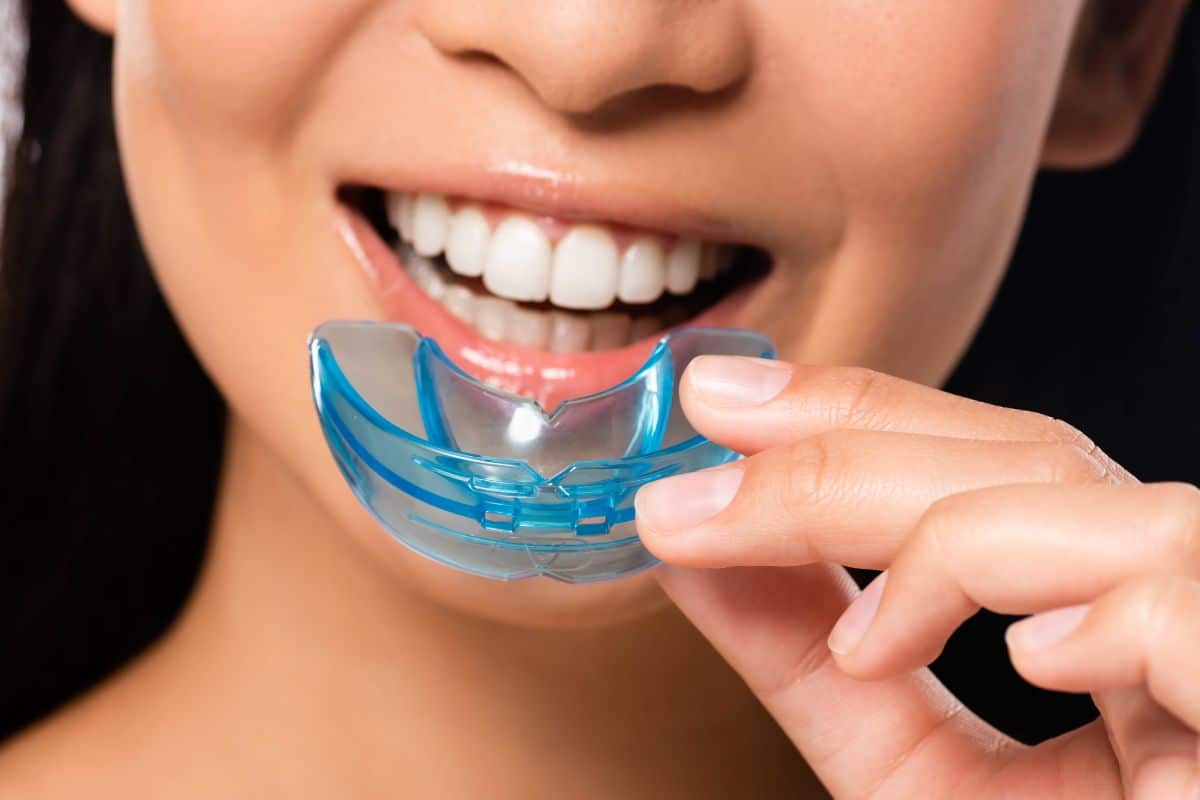
N are removable dental appliances you wear while sleeping to protect your teeth from the damage caused by grinding and clenching. Unlike custom-made guards provided by dentists, OTC options come in standard sizes and are typically made from softer, less durable materials.
The most common types available at pharmacies include:
- Stock (One-Size-Fits-All) Guards: Pre-formed guards that are ready to wear without any fitting or customization.
- Boil-and-Bite Guards: Guards that are softened in hot water and then molded to fit the shape of your teeth by gently biting down.
- Dual-Laminate Guards: Guards made with a softer inner layer and a harder outer layer, providing added protection and durability for moderate teeth grinders.
Each type varies in thickness, material, and level of protection.
The Appeal of OTC Night Guards: Why So Many People Try Them
It’s easy to see why over-the-counter night guards are popular. They’re:
- Affordable (typically $15–$60 vs. $300–$800+ for custom guards)
- Instantly accessible without a dental appointment
- Convenient available at most pharmacies and online retailers
For someone dealing with mild, occasional grinding, the appeal makes sense. But convenience doesn’t always equal safety or effectiveness.
What Dentists Say About OTC Night Guards
Most dentists don’t outright condemn over-the-counter night guards but they do urge caution. Here’s what the professionals want you to know before relying on one long-term.
They Don’t Treat the Root Cause
Bruxism is often triggered by stress, anxiety, sleep disorders like sleep apnea, or misaligned teeth (malocclusion). Over-the-counter night guards create a physical barrier between your teeth, but they don’t address why you’re grinding. Without treating the underlying cause, grinding can continue and sometimes worsen.
Poor Fit Can Cause More Harm Than Good
One of the most significant concerns dentists raise is fit. The human mouth varies enormously from person to person. A guard that doesn’t fit properly can:
- Shift your jaw into an unnatural position
- Create new bite imbalances
- Increase muscle tension in your jaw (making TMJ symptoms worse)
- Fall out during sleep, reducing its protective value
Boil-and-bite guards offer slightly better fit, but they still can’t replicate the precision of a professionally fabricated appliance.
They’re Not Built for Heavy Grinders
If you’re a heavy or chronic grinder, a soft OTC guard can actually give your jaw muscles more to “chew on,” potentially intensifying the grinding reflex. Dentists often recommend a harder acrylic guard for moderate-to-severe bruxism something not typically available over the counter.
Material Quality Matters
OTC guards are generally made from lower-grade materials that wear down faster and may harbor bacteria more readily than custom options. A deteriorating guard can also break apart, creating choking hazards or sharp edges that irritate soft tissues.
When Over-the-Counter Night Guards Might Be Okay
In fairness, OTC night guards are not always the wrong choice. They may serve as a reasonable short-term solution if:
- You’ve recently started noticing mild grinding symptoms
- You’re waiting for a dental appointment and need immediate relief
- Your dentist has confirmed mild bruxism and given the green light
- You’re using it as a temporary measure while saving for a custom appliance
The key word here is temporary. Dentists consistently recommend following up with a professional evaluation before making any OTC guard a permanent habit.
The Case for Custom Night Guards from Your Dentist
Custom night guards, crafted from impressions of your actual teeth, offer a level of precision and protection that over-the-counter products simply can’t match. Here’s what sets them apart:
- Exact Fit: Custom-made from a mold of your unique bite for a comfortable fit.
- Durable Materials: Made with high-quality materials designed to last 3–5 years with proper care.
- Appropriate Thickness: Customized to match the severity of your teeth grinding.
- Jaw Alignment Support: Designed to help maintain your natural bite position and reduce unnecessary jaw strain.
- Easy to Clean: Smooth, high-quality surfaces make the guard easier to clean and help resist bacterial buildup.
Your dentist can also monitor your grinding over time and adjust your treatment plan as needed something a pharmacy shelf can’t do.
Signs You Should Skip the Pharmacy and See a Dentist Instead
Don’t delay professional care if you’re experiencing:
- Jaw pain or soreness that persists in the morning
- Frequent headaches, especially around the temples
- Tooth sensitivity without an obvious cavity or cause
- Cracked, chipped, or worn-down teeth
- Clicking or popping in your jaw joint (signs of TMJ disorder)
- Disrupted sleep reported by a partner (loud grinding)
These symptoms suggest bruxism that goes beyond what an OTC solution can safely manage.
Questions Patients Often Ask About Night Guards
Can I use an OTC night guard if I have dental work like crowns or veneers?
This is a situation where you should absolutely consult your dentist first. A poorly fitting OTC guard can put uneven pressure on dental restorations and potentially damage expensive work. Custom guards are specifically designed to accommodate existing dental work.
How long does it take to get used to wearing a night guard?
Most people adjust within 1–2 weeks. If you’re still experiencing significant discomfort or difficulty breathing after that period whether using an OTC or custom guard contact your dentist. Discomfort that lingers is often a sign of poor fit.
Can children use over-the-counter night guards?
No children’s jaws and teeth are still developing, and OTC guards are not designed for young patients. If you notice your child grinding their teeth, schedule a pediatric dental evaluation. Many children naturally outgrow bruxism as their permanent teeth come in.
Is grinding teeth at night related to sleep apnea?
Yes, there’s a well-documented connection. Studies show that bruxism and obstructive sleep apnea frequently co-occur. If you grind your teeth and snore, wake up frequently, or feel unrested despite sleeping, mention it to your dentist. A standard night guard is not a treatment for sleep apnea, and using one without addressing apnea can actually be counterproductive.
How do I clean and maintain my night guard?
Rinse it with cool water immediately after removing it each morning. Brush it gently with a soft toothbrush (no toothpaste it’s too abrasive for most guard materials). Let it air dry completely before storing it in its case. Avoid hot water, which can warp the material. Bring it to your dental appointments so your dentist can check it for wear.
The Bottom Line: Informed Protection Is the Best Protection
Over-the-counter night guards can offer a temporary band-aid for mild teeth grinding, but they come with real limitations and in some cases, real risks. Improper fit, inadequate protection for severe grinders, and the absence of professional oversight mean that they should never replace a proper dental evaluation.
At Canyons Family Dental Sandy, we understand that protecting your smile is a priority and so is your budget. That’s why we work with patients in the Sandy, UT 84070 area to find solutions that are both effective and accessible. Whether you’re curious about a custom night guard, concerned about jaw pain, or simply want a professional opinion on your grinding symptoms, we’re here to help.
Schedule your appointment today and let us take a closer look at what your teeth are telling you. Your jaw and your future self will thank you.