
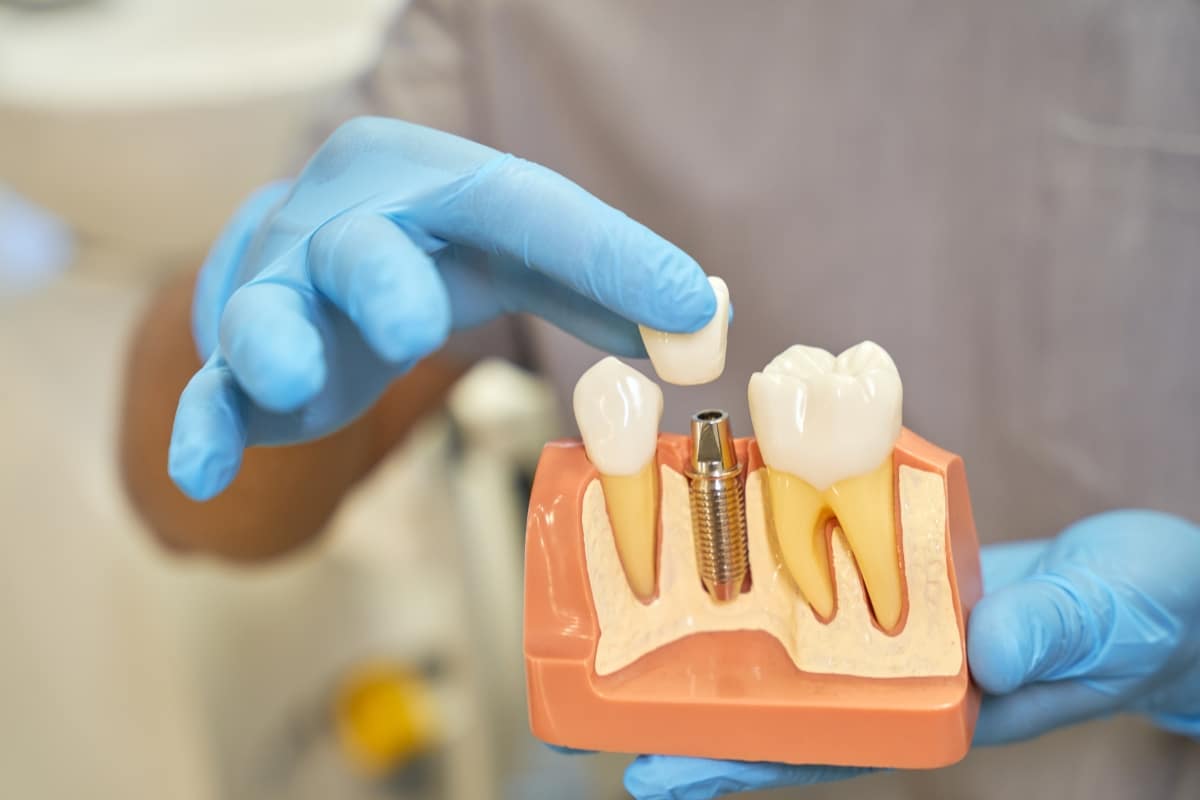
What the science says about how replacing missing teeth with dental implants in Sandy may protect far more than just your smile.
The Mouth-Body Connection: Why It Matters
Your oral health is a window into your systemic health. Researchers have long established links between chronic oral disease and serious conditions including heart disease, stroke, diabetes, and cognitive decline. Missing teeth, especially when left untreated can set off a chain of events that affects your entire body.
When you lose a tooth, the bone beneath it begins to deteriorate almost immediately. This process, called bone resorption, can alter your bite, shift neighboring teeth, and change the structural shape of your face over time. More importantly, the ongoing inflammation often associated with tooth loss and gum disease has been linked to systemic inflammatory conditions throughout the body.
Dental implants interrupt this cycle. Because they’re anchored directly into the jawbone like a natural tooth root, they stimulate the bone and help preserve its density something no other tooth replacement option can do.
How Dental Implants in Sandy May Support a Longer, Healthier Life
1. Better Nutrition Through Restored Chewing Function
This one is often underestimated. When you’re missing teeth or relying on ill-fitting dentures you naturally gravitate toward softer, easier-to-chew foods. Over time, this can mean cutting out raw vegetables, lean proteins, nuts, and other nutrient-dense foods that your body needs to thrive.
Dental implants restore near-normal bite force. Patients who’ve received implants consistently report being able to eat a broader, more nutritious diet. Better nutrition directly supports immune function, cardiovascular health, metabolic stability, and healthy aging.
2. Protecting Your Heart Health
The American Heart Association has acknowledged a connection between periodontal (gum) disease and cardiovascular disease. The bacteria associated with untreated oral infections can enter the bloodstream and contribute to arterial inflammation a significant risk factor for heart attack and stroke.
By replacing missing teeth with stable implants and eliminating the bacterial traps that gaps and loose-fitting prosthetics create, patients can reduce the oral bacterial load that drives this systemic inflammation.
3. Cognitive Health and Social Engagement
Studies have found that tooth loss is associated with a higher risk of cognitive decline and dementia. While the causal relationship is still being studied, several factors appear to be at play: reduced chewing stimulates the brain in measurable ways, and the social isolation that often accompanies visible tooth loss can contribute to depression and cognitive disengagement over time.
Patients who restore their smiles with dental implants frequently describe renewed confidence, more active social lives, and a greater sense of overall wellbeing. These aren’t trivial outcomes social connection and mental engagement are well-documented contributors to longevity.
Ready to learn if dental implants are right for you? Our team at Canyons Family Dental Sandy offers personalized consultations to evaluate your bone health, discuss your goals, and walk you through every option with no pressure and no jargon.
4. Jawbone Preservation and Facial Structure
When the jawbone shrinks due to tooth loss, it can affect more than appearances. A weakened jaw can change how you breathe during sleep, contribute to TMJ (jaw joint) disorders, and accelerate the aging of your facial tissues. Implants are the only restoration that actively preserves and stimulates bone volume keeping your jaw strong for decades.
5. Mental Health and Quality of Life
Living with missing teeth affects people in ways that are difficult to quantify but impossible to ignore. Many patients avoid smiling in photos, withdraw from social events, or experience anxiety around eating in public. Over years or decades, chronic low-grade stress and social withdrawal carry real health consequences.
Dental implants in Sandy patients at Canyons Family Dental Sandy consistently report life-changing improvements in confidence and comfort outcomes that contribute meaningfully to healthier, longer lives.
Are Dental Implants a Long-Term Investment?
Unlike bridges or traditional dentures, which typically need replacing every 7–15 years, dental implants are designed to last a lifetime with proper maintenance. The titanium post that integrates with your jawbone is extraordinarily durable many patients keep their implants for 25–30 years or more.
From a long-term perspective, implants often cost less over a lifetime than repeatedly replacing alternative restorations and they deliver health benefits the alternatives simply can’t match.
- No slippage or adhesive: Implants are stable and function like natural teeth
- Easy to maintain: Brush and floss normally, no special soaking solutions
- Bone preservation included: The only restoration that prevents jaw deterioration
- Versatile: Can replace one tooth, several teeth, or support a full arch
Who Makes a Good Candidate?
Most healthy adults with one or more missing teeth are candidates for dental implants. Key factors include sufficient jawbone density, healthy gums, and absence of uncontrolled systemic conditions. Even patients who have experienced some bone loss may be candidates after a bone grafting procedure.
The best way to know for certain is a thorough evaluation from an experienced implant provider. At Canyons Family Dental Sandy, we use advanced imaging to assess your jaw structure and create a fully customized treatment plan.
Questions Patients Ask Us About Dental Implants
How long does the dental implant process take from start to finish?
The timeline varies by patient, but most people complete the full process in 3–6 months. This includes the healing period after the implant post is placed, which allows the titanium to fuse with your jawbone (a process called osseointegration). Once fully integrated, the final crown is placed. Patients with bone grafting needs may require additional time. We’ll give you a clear, realistic timeline at your consultation.
Is the dental implant procedure painful?
Most patients are surprised by how manageable the process is. Local anesthesia is used during the procedure, and sedation options are available if you’re anxious. Post-procedure soreness is typically mild and resolves within a few days. Many patients compare it favorably to having a tooth extracted. Our team prioritizes your comfort throughout every step.
Will my dental insurance cover implants in Sandy, UT?
Coverage varies widely by plan. Some dental insurance policies cover part of the implant cost particularly the crown while others do not. Our front office team will review your benefits before treatment and help you understand your out-of-pocket costs. We also offer flexible financing options to make implants accessible for most budgets.
What happens if I wait to replace a missing tooth?
Delaying treatment allows the surrounding teeth to shift toward the gap, alters your bite, and accelerates bone loss in the area. Over time, this makes implant placement more complex and may require bone grafting. From a health standpoint, the longer a gap remains, the more opportunity for bacterial buildup and gum inflammation. Acting sooner generally leads to simpler treatment and better outcomes.
Can dental implants fail, and how common is that?
Implant failure is uncommon. Clinical success rates consistently exceed 95% over 10 years. The most common risk factors include smoking, uncontrolled diabetes, and poor oral hygiene. With a thorough evaluation beforehand and diligent at-home care after placement, the vast majority of patients enjoy their implants for decades without complications.
The Bottom Line
Dental implants are far more than a cosmetic solution. They are a meaningful investment in your nutrition, cardiovascular health, cognitive wellness, bone structure, and emotional quality of life. When you consider how deeply interconnected oral health is with whole-body health, restoring a missing tooth becomes an act of genuine self-care one with measurable long-term returns.
At Canyons Family Dental Sandy, we’re proud to offer dental implants to patients throughout Sandy, UT 84070 and the surrounding communities. Our team combines clinical expertise with a patient-centered approach, ensuring you feel informed, comfortable, and confident every step of the way.
Schedule your appointment today and take the first step toward a healthier smile and a healthier life.