
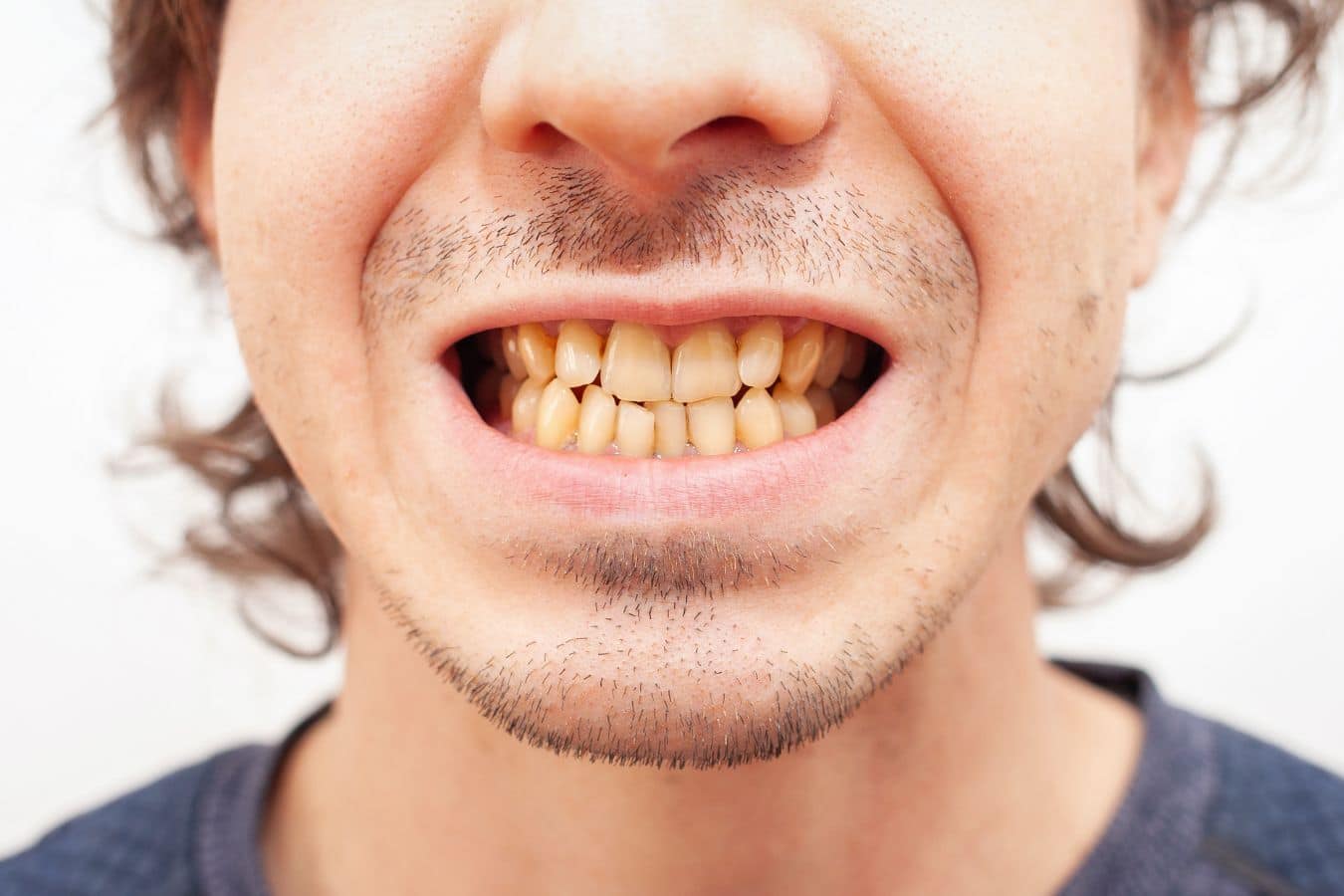
Seeing a dark spot, broken tooth, or deep cavity can be alarming. Many people wonder, can Rotten Teeth be fixed, or is extraction the only option? The answer depends on how much damage has occurred and whether the tooth can still be restored.
In many cases, tooth decay can be treated before it causes extensive damage. Depending on the condition of the tooth, treatment may include a filling, dental crown, root canal therapy, or another restorative procedure. When a tooth cannot be saved, extraction followed by a replacement option may be recommended.
Understanding the available treatments can help you take action before decay leads to pain, infection, or tooth loss.
What Does “Rotten Teeth” Mean?
“Rotten teeth” is a common phrase people use to describe teeth that have been significantly damaged by tooth decay. Dentists generally refer to this condition as dental caries or tooth decay.
Tooth decay develops when bacteria in dental plaque produce acids that gradually weaken the enamel. If the process continues without treatment, the decay can move deeper into the tooth.
Signs may include:
- Brown, black, or white spots on the teeth
- Visible holes or cavities
- Chipped or broken areas
- Tooth sensitivity
- Pain when eating or drinking
- Persistent bad breath
- Swollen or tender gums
- Difficulty chewing
- A bad taste around a damaged tooth
Not every dark or damaged tooth is necessarily “rotten.” Staining, old dental work, trauma, and other conditions can cause similar changes. A dental examination is needed to determine the actual cause.
Can Rotten Teeth Be Fixed?
Yes, Rotten Teeth can sometimes be fixed, particularly when enough healthy tooth structure remains.
The appropriate treatment depends on how far the decay has progressed. A dentist may use an examination and dental X-rays to determine whether the damage is limited to the outer tooth structure or has reached the pulp, which contains nerves and blood vessels.
Treatment may include:
Dental Fillings for Early to Moderate Decay
When decay has not extensively weakened the tooth, a filling may be enough. The dentist removes the damaged portion and fills the area with a restorative material.
A filling can restore the tooth’s shape and help prevent the cavity from becoming larger.
Dental Crowns for Severely Damaged Teeth
A tooth that has lost substantial structure may need more support than a filling can provide. In these situations, a dental crown may be recommended.
A crown covers the remaining tooth and helps restore its shape, strength, and function. Crowns are often considered when decay, large fillings, cracks, or other damage have significantly weakened a tooth.
Root Canal Treatment for Deep Decay
If decay reaches the tooth’s pulp, bacteria can cause inflammation or infection. Symptoms may include severe toothache, prolonged sensitivity, swelling, or pain when biting.
A root canal removes the infected or inflamed tissue from inside the tooth. The tooth is then cleaned, sealed, and often restored with a crown.
Although the phrase “root canal” can sound concerning, the purpose of the treatment is to eliminate infection while preserving the natural tooth when possible.
When Does a Rotten Tooth Need to Be Removed?
Sometimes a tooth is too damaged to restore predictably. If there is not enough healthy structure remaining, the tooth has extensive structural damage, or the surrounding tissues are severely affected, extraction may be recommended.
Removing a severely damaged tooth can help address infection and prevent the problem from affecting nearby tissues.
However, extraction does not necessarily mean you have to live with a missing tooth. Depending on your situation, replacement options may include:
- Dental implants
- Dental bridges
- Partial dentures
Your dentist can discuss which option is appropriate based on your oral health, bone support, number of missing teeth, and treatment goals.
What Causes Rotten Teeth?
Tooth decay usually develops gradually rather than overnight. Several factors can increase the risk of severe decay.
Common causes and contributing factors include:
- Inadequate brushing and flossing
- Frequent consumption of sugary foods and drinks
- Plaque buildup
- Dry mouth
- Acidic foods and beverages
- Untreated cavities
- Certain medications
- Limited access to routine dental care
- Poorly maintained dental restorations
Regular dental examinations are important because cavities may not cause noticeable symptoms during their early stages.
What Happens If Rotten Teeth Are Left Untreated?
Ignoring significant tooth decay can allow the problem to progress. A small cavity may eventually become a larger area of damage.
Untreated decay can lead to:
- Increasing tooth sensitivity
- Persistent or severe dental pain
- Tooth fractures
- Pulp infection
- Dental abscesses
- Gum swelling
- Difficulty eating
- Tooth loss
A dental infection can become more serious when it spreads beyond the tooth. Facial swelling, fever, difficulty swallowing, or difficulty breathing can require urgent medical attention.
For this reason, it is better to have a damaged or painful tooth evaluated rather than waiting for symptoms to become severe.
How Dentists Determine Whether a Tooth Can Be Saved
A dentist typically considers several factors before recommending treatment.
These may include:
- How much tooth structure remains: A severely broken-down tooth may not have enough structure to support a restoration.
- The depth of decay: Decay close to or inside the pulp may require root canal treatment.
- The condition of the roots: Healthy, stable roots can improve the possibility of preserving a tooth.
- The surrounding bone and gums: Supporting tissues affect the long-term outlook.
- Presence of infection: An abscess or significant infection may change the treatment approach.
Dental X-rays can also reveal decay and infection that cannot be seen during a visual examination.
How to Prevent Rotten Teeth
The best way to deal with advanced tooth decay is to prevent it from developing in the first place.
Helpful habits include:
- Brush twice a day with fluoride toothpaste.
- Clean between your teeth daily with floss or another interdental cleaner.
- Limit frequent sugary snacks and drinks.
- Drink water regularly.
- Replace your toothbrush or brush head when it becomes worn.
- Attend routine dental examinations.
- Treat cavities and dental problems promptly.
If you notice a cavity, sensitivity, discoloration, or a broken tooth, scheduling an evaluation early may give you more treatment options.
Common Questions Patients Ask About Rotten Teeth
1. Can a badly decayed tooth be saved?
Sometimes. If sufficient healthy tooth structure remains, a dentist may be able to restore it with a filling, crown, or root canal treatment. Severe damage may require extraction.
2. Can Rotten Teeth grow back?
No. Once natural tooth structure has been permanently lost to decay, it does not grow back. However, dentists can repair damaged teeth using restorative materials and treatments.
3. Does a Rotten Tooth always hurt?
No. Tooth decay can progress without noticeable pain, particularly during its early stages. This is one reason routine dental examinations are important.
4. Can a Rotten Tooth cause an infection?
Yes. Advanced decay can reach the inner portion of a tooth and allow bacteria to cause an infection. An abscess may develop if the infection progresses.
5. Is it better to save a tooth or have it extracted?
The answer depends on the condition of the tooth. When a tooth can be predictably restored, preserving the natural tooth may be possible. When restoration is not feasible, extraction may be necessary, followed by discussion of tooth replacement options.
Take the Next Step Before Tooth Decay Gets Worse
If you are worried about Rotten Teeth, don’t assume that extraction is your only option. A professional examination can determine how much damage has occurred and whether the tooth can be restored.
Early evaluation may also help prevent a developing dental problem from becoming more painful or complicated. Canyons Family Dental Sandy provides dental care for patients in Sandy, and surrounding communities.
Schedule your appointment today to have a damaged, painful, or severely decayed tooth evaluated and learn which treatment options may be appropriate for your smile.