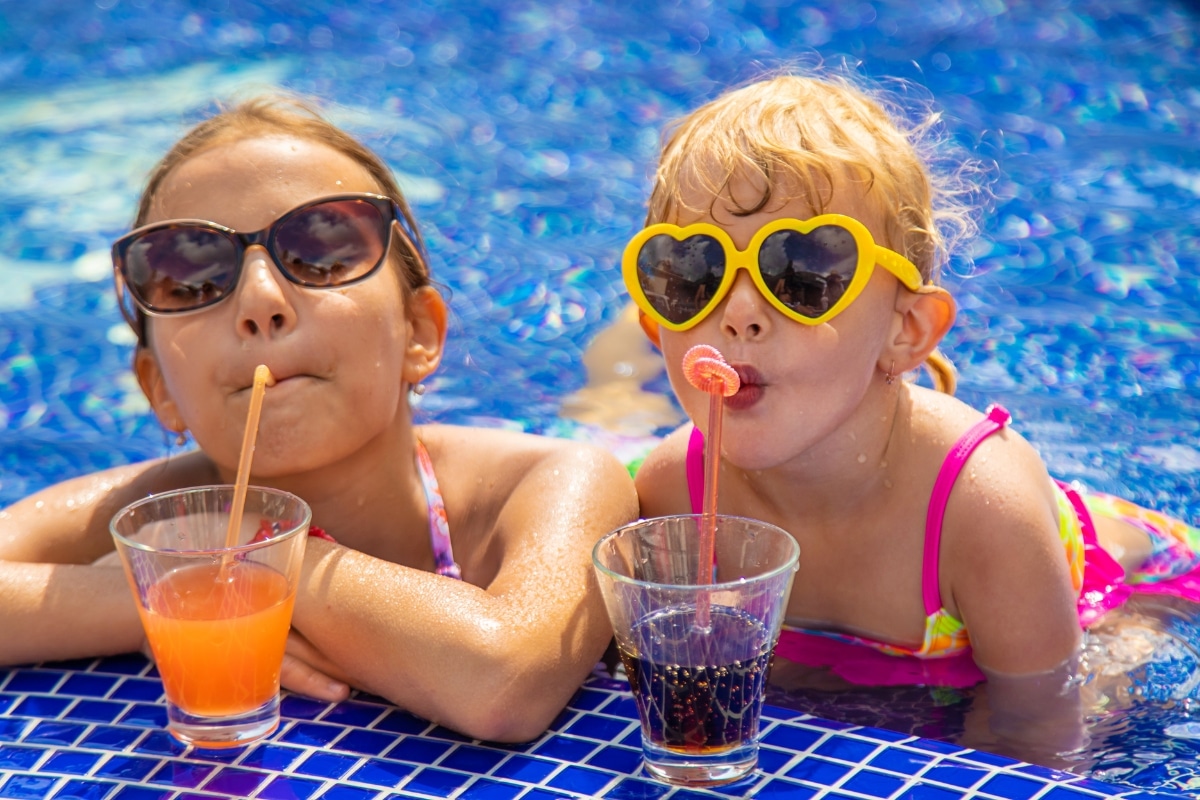
Summer is the perfect time to cool off in the pool but did you know your daily swim could be silently harming your smile? Many people are surprised to learn that frequent exposure to swimming pool water can have a real impact on dental health. Whether you’re a casual weekend swimmer or a dedicated lap swimmer, understanding this risk is the first step toward protecting your teeth.
At Canyons Family Dental Sandy, we see patients who are proactive about their oral health and we want to make sure you have the information you need to keep your smile strong all season long. If you have concerns about the condition of your teeth, our Sandy dentists are here to help.
How Pool Water Affects Your Teeth
Swimming pools are treated with chemicals most commonly chlorine to keep the water safe and clean. However, the chemistry of that water can directly interact with your teeth in ways that aren’t immediately obvious.
The key factor is pH. Pool water is ideally maintained at a pH between 7.2 and 7.8. When the pH drops below this range, the water becomes acidic. Acidic water is one of the primary causes of dental enamel erosion the gradual wearing away of the hard outer layer of your teeth.
Enamel is the strongest substance in the human body, but it is not indestructible. Once it’s gone, it doesn’t grow back. That’s why prevention and early detection are so important.
The Science Behind “Swimmer’s Calculus”
Frequent swimmers can develop a condition informally called “swimmer’s calculus” or “swimmer’s teeth.” This refers to the buildup of brown or yellow tartar on the front teeth, particularly common in people who swim laps in chlorinated pools for extended periods.
Studies have found that people who swim more than six hours per week are at a significantly higher risk of enamel erosion and tartar discoloration compared to non-swimmers. The chlorine in pool water can cause salivary proteins to break down faster than normal, which leads to rapid tartar formation.
This doesn’t mean you need to give up swimming it just means you should be more mindful about your dental care routine.
Signs That Pool Water May Be Affecting Your Smile
It’s important to recognize early warning signs. Watch out for the following:
- Increased tooth sensitivity, especially to cold or sweet foods
- Yellow or brown staining on the front teeth
- Teeth that appear more transparent or rounded at the edges
- A chalky or rough texture on the surface of your teeth
- More frequent cavities than usual
If you notice any of these symptoms, it’s a good idea to schedule a checkup with our sandy dentists at Canyons Family Dental Sandy. Early intervention can make a big difference in the long-term health of your smile.
Who Is Most at Risk?
Not everyone who swims occasionally will experience dental problems. The risk increases based on several factors:
- Competitive swimmers who train daily in chlorinated pools
- Children, because their enamel is still developing and more vulnerable
- People who already have weakened enamel from acidic diets or acid reflux
- Individuals who swim in poorly maintained pools with imbalanced pH levels
Parents in the Sandy, UT area should pay close attention to their children’s dental health during swim season. A quick visit to Canyons Family Dental Sandy can help identify early signs of erosion before they become a bigger problem.
How to Protect Your Teeth While Swimming
The good news is there are simple, effective steps you can take to reduce the risk of pool-related dental damage.
Before You Swim
- Apply a fluoride rinse or fluoride toothpaste to strengthen enamel before entering the pool
- Keep your mouth closed and avoid swallowing pool water when possible
After You Swim
- Rinse your mouth thoroughly with fresh water immediately after getting out of the pool
- Wait at least 30 minutes before brushing your teeth to avoid scrubbing softened enamel
- Chew sugar-free gum to stimulate saliva production, which helps neutralize acids
Year-Round Habits That Help
- Schedule regular professional cleanings and checkups with your dentist
- Use a toothpaste formulated for sensitive teeth if you notice increased sensitivity
- Stay hydrated drinking plenty of water helps maintain healthy saliva levels
What Our Sandy Dentists Recommend
At Canyons Family Dental Sandy, our sandy dentists recommend that active swimmers come in for a dental exam at least twice a year and more frequently if you swim competitively. During your visit, we’ll check for early signs of enamel erosion, tartar buildup, and sensitivity, and we’ll create a personalized prevention plan tailored to your lifestyle.
We also offer professional fluoride treatments that can help strengthen and protect your enamel, as well as custom mouthguards if needed. Our goal is to make sure your love of swimming never comes at the cost of your smile.
Schedule your appointment today at Canyons Family Dental Sandy in Sandy, UT 84070, and let us help you enjoy the pool season with confidence.
Conclusion
Swimming is a wonderful form of exercise, and with the right precautions, you don’t have to choose between your fitness and your dental health. Understanding how pool water chemistry can affect your teeth puts you in control.
Whether you’re a parent worried about your child’s teeth, a competitive swimmer, or simply someone who enjoys a refreshing dip, the team at Canyons Family Dental Sandy is ready to support your oral health. Our experienced sandy dentists combine expert care with a friendly, patient-focused approach that families throughout Sandy, UT trust.
Don’t wait for tooth sensitivity or discoloration to worsen. Schedule your appointment today and take the first step toward a healthier, more confident smile in and out of the water.
Questions We Hear from Patients Like You
Is it safe to swim every day if I take care of my teeth?
Yes, daily swimming can be safe for your teeth as long as you take the right precautions. Rinsing your mouth with fresh water after swimming, using fluoride products, and keeping up with regular dental visits all go a long way in protecting your enamel. Our sandy dentists can give you a personalized care plan based on how often you swim.
Does saltwater pool water damage teeth less than chlorinated pools?
Saltwater pools still use chlorine they just generate it through a salt cell rather than adding it directly. The pH and chlorine levels are similar to traditional pools, so the risks to your teeth are largely the same. The key factor in both cases is maintaining proper water chemistry and practicing good post-swim dental hygiene.
Why do my teeth look yellow after swimming season?
Yellow or brownish staining on the teeth after extended swimming is a common complaint, especially in frequent swimmers. This is often related to swimmer’s calculus a type of tartar that forms when chlorinated water interacts with salivary proteins. A professional cleaning at Canyons Family Dental Sandy can remove this buildup and restore a brighter appearance.
Are children more vulnerable to tooth damage from pool water?
Yes. Children’s enamel is still developing and tends to be more porous and susceptible to acid erosion than adult enamel. This makes consistent post-swim oral hygiene especially important for kids. We recommend bringing children in for a checkup before and after swim season so we can monitor any changes.
Can I reverse enamel damage caused by pool water?
Unfortunately, once enamel is lost, it cannot regenerate on its own. However, the good news is that early-stage erosion can be slowed or halted with the right treatment. Fluoride therapies, dental bonding, and protective coatings are among the options our sandy dentists may recommend depending on the severity. The sooner you seek care, the more options you’ll have.