Pregnancy brings so many exciting changes and a few unexpected ones, including changes to your oral health. Many expectant mothers in Utah are surprised to learn that pregnancy can significantly affect their teeth and gums. If you’ve been wondering whether it’s safe to see a dentist in Sandy during pregnancy, or what you should be doing to protect your smile, you’re in the right place. This guide covers everything Utah mothers need to know about dental care before, during, and after pregnancy.
Why Pregnancy Affects Your Oral Health
Pregnancy triggers a surge of hormones particularly estrogen and progesterone that affect nearly every system in your body, including your mouth. These hormonal shifts make your gums more sensitive to plaque and bacteria, increasing the risk of dental problems.
Common Oral Health Changes During Pregnancy
- Pregnancy Gingivitis: Hormonal changes can cause gums to become swollen, tender, red, or more likely to bleed. It may affect up to 75% of pregnant women.
- Increased Risk of Cavities: Morning sickness, frequent snacking, sugar cravings, and changes in saliva can increase the risk of tooth decay during pregnancy.
- Pregnancy Tumors: Some pregnant women may develop non-cancerous growths on the gums, known as pregnancy tumors or pyogenic granulomas. Although uncommon, they are generally harmless.
- Enamel Erosion: Frequent vomiting can expose the teeth to stomach acid, which may gradually weaken and erode the tooth enamel.
- Dry Mouth: Hormonal changes and other pregnancy-related factors may cause dry mouth, reducing saliva’s protective effect and increasing the risk of tooth decay.
These issues are manageable but only if you stay proactive about your dental care.
Is It Safe to Visit the Dentist During Pregnancy?
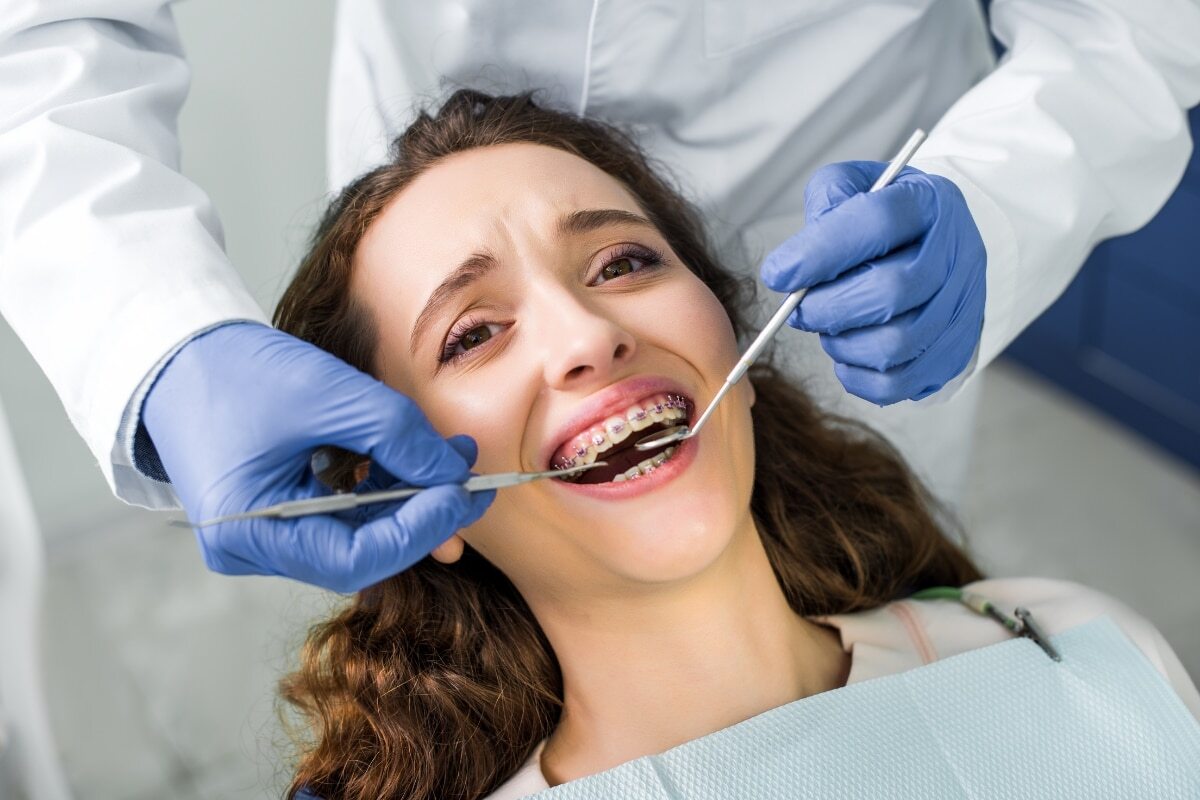
Yes, absolutely. This is one of the most common misconceptions among expectant mothers. Routine dental care including cleanings, exams, and necessary X-rays with proper shielding is safe during pregnancy and actually recommended by the American Dental Association (ADA) and the American College of Obstetricians and Gynecologists (ACOG).
Delaying dental care during pregnancy can allow minor issues to develop into serious infections, which pose a far greater risk to you and your baby than a routine dental visit.
The safest time for elective dental procedures is typically the second trimester (weeks 14–28), when the baby’s organs have formed and morning sickness has often eased. However, dental emergencies should always be treated promptly regardless of trimester.
What to Tell Your Dentist When You’re Pregnant
Before your appointment, inform your dental team that you are pregnant and share:
- How far along you are (trimester)
- Any medications or prenatal vitamins you’re taking
- Any high-risk pregnancy factors your OB has mentioned
- Any recent concerns like bleeding gums or tooth pain
At Canyons Family Dental Sandy, our team works closely with expectant mothers to tailor treatment plans that are safe, comfortable, and effective right here in Sandy, UT 84070.
Oral Health Tips for Pregnant Women in Utah
Brush and Floss Consistently
Brush at least twice a day with fluoride toothpaste and floss once daily. During pregnancy, plaque builds up faster, so consistency is key.
Rinse After Morning Sickness
If you experience vomiting, avoid brushing immediately afterward stomach acid temporarily softens enamel. Instead, rinse with a baking soda solution (1 teaspoon in 8 oz of water) and wait 30 minutes before brushing.
Watch Your Diet
Utah mothers often experience strong food cravings. Be mindful of sugary snacks and acidic drinks, which accelerate tooth decay. Reach for calcium-rich foods like dairy, leafy greens, and almonds to support both your bone density and your baby’s developing teeth.
Stay Hydrated
Drink plenty of water throughout the day. Staying hydrated helps combat dry mouth and rinse away food particles and bacteria.
Don’t Skip Your Dental Checkup
Schedule at least one dental visit during your pregnancy, ideally in the second trimester. A professional cleaning removes tartar buildup that regular brushing can’t address. If you’re looking for a trusted dentist in Sandy, Canyons Family Dental Sandy offers gentle, pregnancy-aware care for patients in Sandy, UT 84070 and surrounding areas.
The Link Between Gum Disease and Pregnancy Complications
Research has drawn a meaningful connection between untreated gum disease (periodontitis) and adverse pregnancy outcomes, including:
- Preterm birth
- Low birth weight
- Preeclampsia
While researchers continue to study the direct relationship, the association is strong enough that most oral health professionals recommend treating gum disease promptly during pregnancy. Healthy gums are part of a healthy pregnancy.
Dental Care After Baby Arrives
Your oral health doesn’t stop mattering after delivery. Postpartum hormonal changes can still affect your gums, and the demands of new parenthood often push self-care to the back burner. Aim to schedule a postpartum dental checkup within the first few months after delivery.
Also, be aware that cavity-causing bacteria can be transmitted from parent to child through shared utensils or kissing. Keeping your own mouth healthy is one of the best things you can do for your baby’s future dental health.
Common Questions from Pregnant Patients
Can pregnancy cause tooth loss?
Pregnancy itself doesn’t cause tooth loss, but untreated gum disease and cavities can progress rapidly during pregnancy due to hormonal changes. Staying on top of cleanings and addressing any discomfort early prevents minor issues from becoming serious ones.
Are dental X-rays safe during pregnancy?
Yes, with proper precautions. Modern dental X-rays use very low radiation levels, and your dentist will use a leaded apron to shield your abdomen. The ADA considers them safe when clinically necessary. If you’re concerned, discuss it with your dentist routine X-rays can often be postponed until after delivery if no urgent issues are present.
What if I need a filling or other dental work while pregnant?
Necessary restorative work fillings, crowns, and even root canals can and should be done during pregnancy if needed. Avoiding treatment can lead to infection and pain, which carry more risk than the procedure itself. The second trimester is the ideal window for most non-emergency work.
My gums bleed when I brush is that normal during pregnancy?
Bleeding gums are very common during pregnancy and are usually a sign of pregnancy gingivitis. While it’s common, it’s not something to ignore. Improve your brushing and flossing routine and schedule a cleaning. If bleeding is heavy or accompanied by pain, contact a dentist promptly.
I have severe morning sickness. How can I brush without triggering nausea?
Try switching to a bland or unflavored toothpaste, using a smaller toothbrush head, and brushing more slowly. Some pregnant patients find brushing before eating in the morning (rather than after) helps reduce the gag reflex. Ask your dentist for personalized suggestions.
Schedule Your Prenatal Dental Visit in Sandy, UT
Your smile and your baby’s health deserve expert attention. Canyons Family Dental Sandy is proud to serve expectant mothers throughout Sandy, UT 84070, providing compassionate, comprehensive care tailored to the unique needs of pregnancy.
Whether it’s a routine cleaning, a concern about bleeding gums, or a question about what’s safe during your trimester, our team is here to help.
Schedule your appointment today because healthy teeth are part of a healthy pregnancy. Call us or book online to visit your trusted dentist in Sandy at Canyons Family Dental Sandy.