Dental anxiety is a common fear, and it can prevent people from getting the dental care they need. Fortunately, sedation dentistry offers a solution, allowing patients to relax and receive treatment in a calm and comfortable environment. But if you’re considering sedation dentistry, you probably have some questions. Let’s answer some of the most frequently asked questions:
What is sedation dentistry?
Sedation dentistry involves using medication to help patients relax and reduce anxiety during dental procedures. This can range from mild relaxation to deeper levels of sedation, depending on the patient’s needs and the complexity of the procedure.
What types of sedation are available?
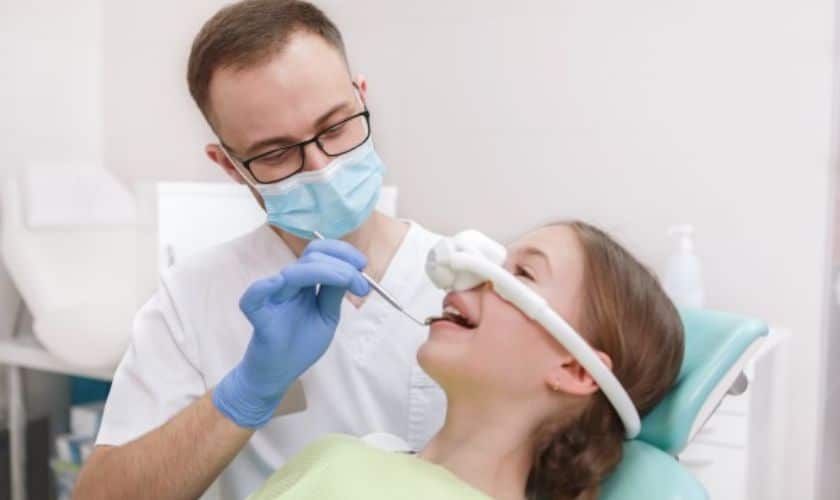
- Nitrous oxide (laughing gas): This is a mild sedative inhaled through a nosepiece, offering a calming and euphoric effect.
- Oral conscious sedation: This involves taking medication orally before the procedure, leading to a relaxed and drowsy state.
- Intravenous (IV) sedation: This delivers medication directly into the bloodstream through an IV, providing deeper sedation and often resulting in little to no memory of the procedure.
Who is a candidate for sedation dentistry?
Several factors can make sedation dentistry beneficial:
- Dental anxiety or phobia: For individuals with significant fear or anxiety related to dental procedures, sedation can help them overcome their apprehension and receive necessary care.
- Low pain tolerance: Some people have a low tolerance for pain, making even routine procedures uncomfortable. Sedation can help manage discomfort and allow for a more relaxed experience.
- Difficulty sitting still: Children or adults with hyperactivity or other conditions that make it challenging to sit still in the dental chair can benefit from sedation for a smoother procedure.
- Sensitive teeth or gag reflex: Individuals with very sensitive teeth or a strong gag reflex may find dental procedures difficult and uncomfortable. Sedation can help alleviate these issues.
- Extensive dental work: For complex procedures requiring multiple appointments or lengthy treatment times, sedation can make the experience more manageable and comfortable.
What are the risks and side effects of sedation dentistry?
Like any medical procedure, sedation dentistry carries some risks and side effects. These can vary depending on the type of sedation used, but may include:
- Drowsiness and fatigue: You may feel sleepy after the procedure and need someone to drive you home.
- Nausea and vomiting: These are common side effects, especially with oral conscious sedation.
- Headache: Some patients may experience headaches after sedation.
- Temporary memory loss: Deeper levels of sedation can result in little to no memory of the procedure.
How much does sedation dentistry cost?
The cost of sedation dentistry varies depending on the type of sedation used, the complexity of the procedure, and your geographic location. It’s important to discuss the cost with your dentist before your appointment.
Do I need someone to drive me home after sedation?
Yes, you will need someone to drive you home after most types of sedation dentistry. This is because the effects of the medication may linger and impair your ability to drive safely.
Is sedation dentistry safe?
When performed by a qualified dentist, sedation dentistry is a safe and effective way to manage dental anxiety and discomfort. Your dentist will carefully assess your health and discuss any potential risks before proceeding.
If you have any further questions about sedation dentistry, be sure to talk to your dentist in Sandy. They can help you determine if it’s the right option for you and ensure you receive the care you need in a comfortable and stress-free environment.