
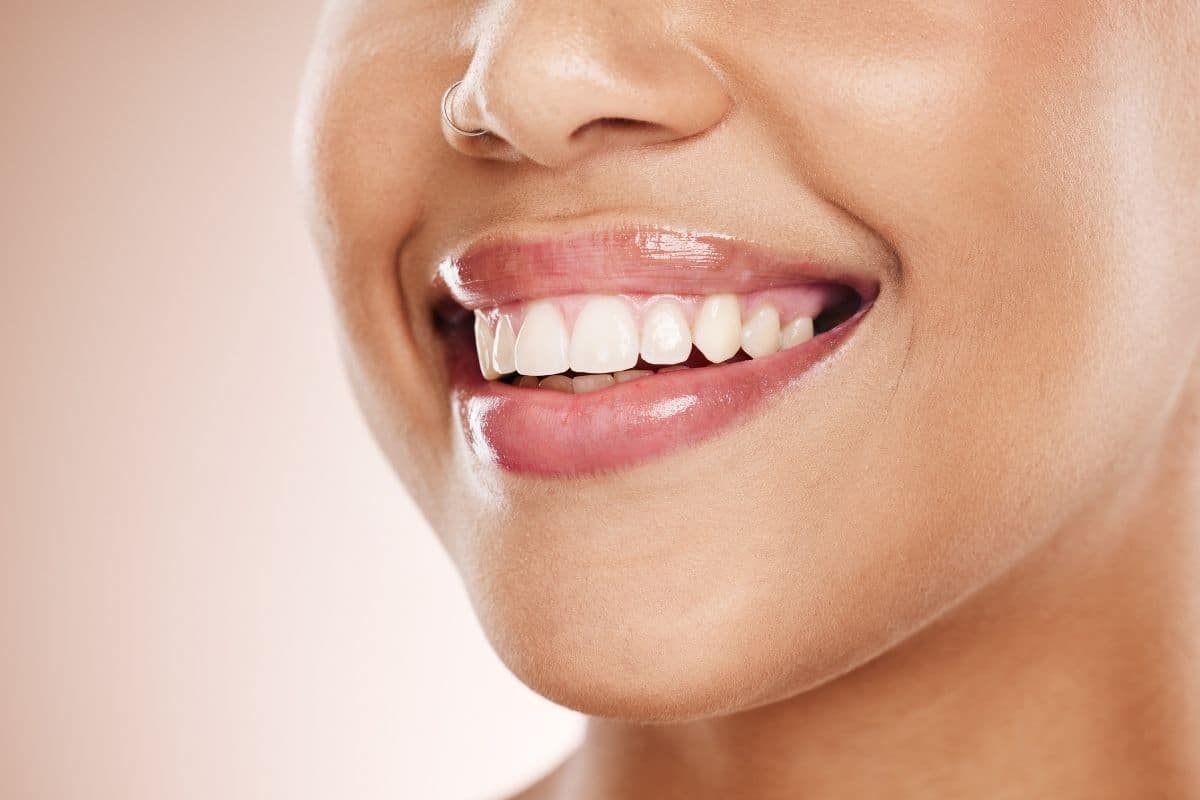
A healthy, confident smile can make a lasting impression in both personal and professional settings. Many patients in Sandy and nearby communities like Draper, Midvale, and South Jordan often wonder which cosmetic treatment is best for improving the appearance of their teeth. If you are trying to decide between Teeth Whitening or Cosmetic Bonding, understanding how each treatment works can help you make a more informed decision. While both procedures can improve the appearance of your smile, they are designed to address different concerns. Learning the differences between these popular cosmetic treatments can help you choose the option that best fits your dental goals and long-term oral health needs.
Understanding What Causes Smile Imperfections
Not every smile concern is the same. Some patients are mainly bothered by yellow or stained teeth, while others may have chipped edges, uneven spacing, or worn enamel. Daily habits such as drinking coffee, tea, soda, or red wine can gradually discolor teeth over time. Smoking and natural aging can also affect tooth color.
In other cases, the issue may be structural rather than cosmetic staining. Small cracks, gaps, or irregular tooth shapes can impact how balanced a smile appears. This is why a dental evaluation is important before choosing any cosmetic treatment. A dentist can determine whether discoloration, damage, or both are contributing to your concerns.
When Brightening Your Smile Makes Sense
Professional whitening treatments are designed to remove surface stains and brighten natural enamel. Unlike store-bought products, professional treatments are customized for your smile and monitored for safety and effectiveness.
This option is often ideal for patients who:
- Have healthy teeth and gums
- Want to reduce yellowing or staining
- Do not have significant chips or cracks
- Want a non-invasive cosmetic improvement
Many people choose whitening before weddings, job interviews, vacations, or major life events because results can appear quickly. Depending on the type of treatment recommended, some patients notice visible improvement after just one appointment.
Professional whitening may also help patients maintain a more youthful appearance since brighter teeth are commonly associated with good oral health and confidence.
Situations Where Bonding May Be More Appropriate
Cosmetic bonding uses a tooth-colored resin material to improve the appearance of teeth. The material is carefully shaped and polished to blend naturally with the surrounding enamel.
Bonding is commonly recommended for patients who have:
- Minor chips or cracks
- Small gaps between teeth
- Uneven tooth edges
- Teeth that appear too short or worn
- Deep discoloration that whitening may not correct
One of the biggest advantages of bonding is its versatility. Rather than only changing tooth color, bonding can improve the overall shape and symmetry of a smile. The procedure is also conservative because it usually requires little to no removal of natural enamel.
For patients seeking subtle smile improvements without extensive treatment, bonding can be a practical solution.
Comparing Appearance and Longevity
Both treatments can improve smile aesthetics, but the results differ in important ways.
Whitening focuses entirely on color enhancement. It works best when the shape and condition of the teeth are already healthy and balanced. Results may last longer when patients avoid stain-causing foods and maintain regular oral hygiene habits.
Bonding, on the other hand, improves both appearance and structure. It can reshape teeth while also concealing imperfections. However, bonding materials may become stained over time and may eventually require touch-ups or replacement.
Patients who grind their teeth or frequently bite hard objects should discuss this with their dentist, as these habits can affect the longevity of bonded teeth.
How Sensitivity and Existing Dental Work Can Affect Your Choice
Some people naturally have sensitive teeth. Whitening treatments can sometimes cause temporary sensitivity, especially in patients with enamel wear or gum recession. Dentists can often recommend strategies to minimize discomfort, but this factor should still be considered.
Existing dental restorations may also influence treatment recommendations. Crowns, veneers, and fillings do not respond to whitening agents the same way natural teeth do. As a result, whitening could create uneven shades if restorations are visible in the smile zone.
Bonding may be more suitable in these cases because the resin can be color-matched to surrounding teeth and existing dental work.
Can Both Treatments Be Combined?
In some situations, combining cosmetic treatments produces the most natural-looking outcome. Patients may first undergo whitening to brighten their natural teeth and then receive bonding to repair chips or reshape specific teeth.
This approach allows the bonding material to be matched to the newly whitened shade, creating a more seamless result. A dentist can help determine whether combining procedures would provide the most balanced improvement for your smile goals.
Patients interested in a complete smile enhancement often ask about additional cosmetic options as well. Procedures such as enamel reshaping, veneers, or clear aligners may sometimes complement whitening or bonding, depending on the condition of the teeth.
Daily Habits That Help Maintain Results
No matter which cosmetic treatment you choose, good oral care habits play a major role in maintaining results. Consistent brushing and flossing help reduce plaque buildup and surface staining.
Patients can also protect their smiles by:
- Limiting dark-colored beverages
- Drinking water after meals
- Avoiding tobacco products
- Wearing a nightguard if they grind their teeth
- Scheduling regular dental cleanings
Routine dental visits allow dentists to monitor cosmetic work and address small concerns before they become larger problems.
According to the American Dental Association, maintaining strong oral hygiene habits is essential for both oral health and the appearance of your smile.
Choosing the Best Option for Your Smile Goals
The right cosmetic treatment depends on your individual concerns, oral health, and desired outcome. Patients looking for a brighter smile without structural corrections may benefit most from whitening. Those hoping to improve chips, spacing, or uneven edges may achieve better results with bonding.
A consultation with a dental professional can help identify the most effective treatment plan based on your smile goals. Providers who offer cosmetic dentistry service in Sandy can evaluate your teeth, discuss your concerns, and recommend options tailored to your needs.
Conclusion
Improving your smile does not always require extensive dental treatment. Both whitening and bonding can provide noticeable cosmetic improvements while helping patients feel more confident in everyday life. Understanding the purpose and benefits of each option makes it easier to choose the treatment that aligns with your needs and expectations. If you are considering cosmetic dental care and want professional guidance on enhancing your smile, contact us to Canyon Family Dental to schedule a consultation and learn which approach may be right for you.