
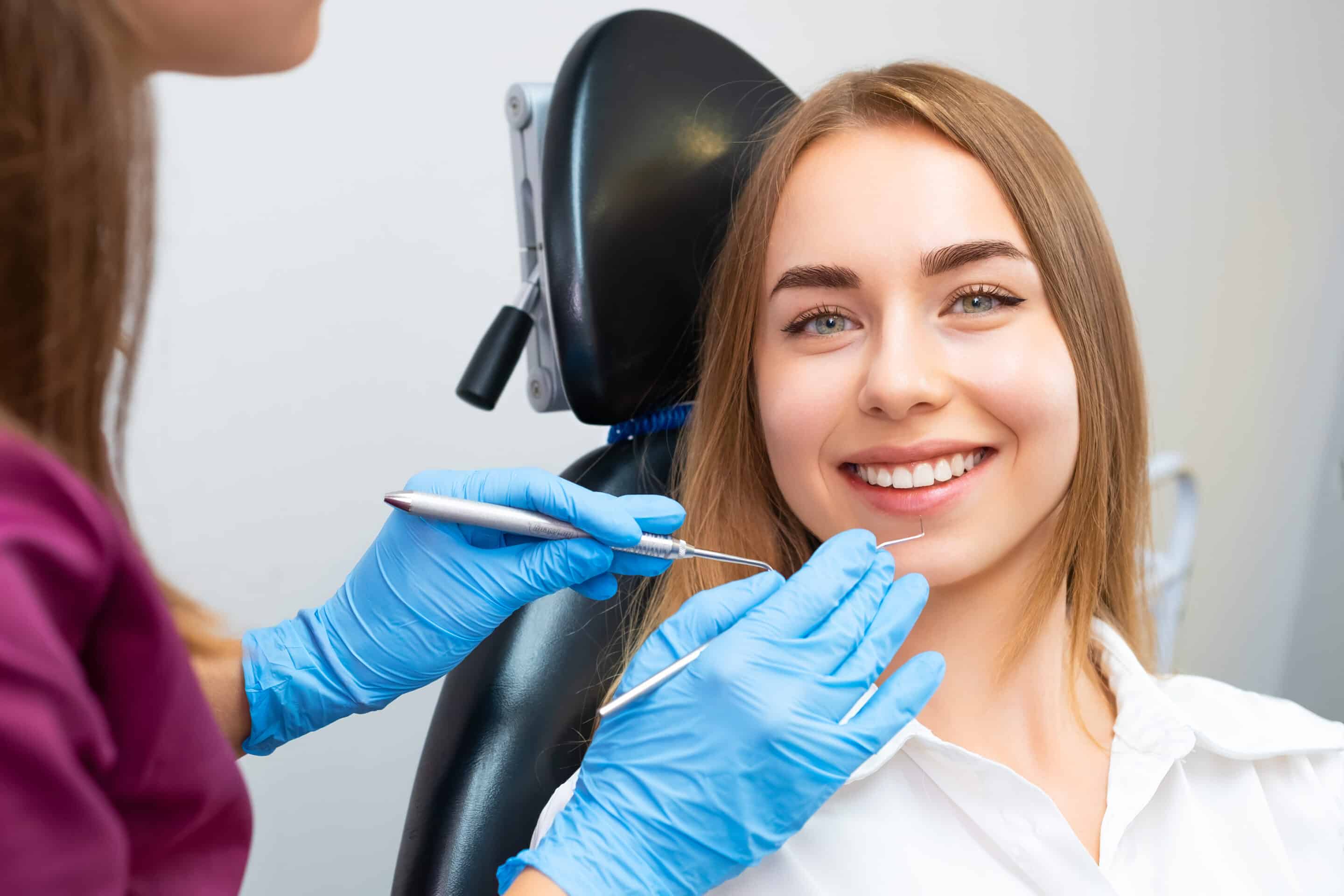
Choosing between cosmetic dental treatments can feel overwhelming. When patients in Sandy ask about veneers vs bonding vs whitening, they often discover that the right answer depends on their specific concern. Chips, gaps, stains, and worn edges each respond differently to different treatments. This guide helps you match your concern to the right solution at Canyons Family Dental.
Understanding Your Smile Concern First
Before comparing treatments, it helps to name your actual problem. A chipped tooth, a visible gap, deep staining, or worn-down edges all call for different approaches. Dr. David Powell at Canyons Family Dental always starts with a thorough evaluation. That step ensures you invest in the right treatment not just the most popular one.
Many patients come in thinking they need whitening when bonding would serve them better. Others assume veneers are their only option when a simple polish could help. Knowing what each treatment actually corrects makes the decision much clearer. Let’s break them down one by one.
Which Treatment Fixes Chips and Minor Cracks?
Dental bonding is often the fastest fix for chipped or cracked teeth. A tooth-colored resin is applied directly to the damaged area and shaped to match your natural tooth. The entire process usually takes one visit. It’s a great option when the damage is minor and the underlying tooth structure is healthy.
Veneers also cover chips effectively but they’re a longer-term solution. Porcelain veneers are thin shells bonded to the front of teeth. They’re more durable than bonding and resist staining better over time. If you have multiple chipped teeth or want a complete smile makeover, veneers may be the smarter investment.
- Bonding works best for single chips or minor cracks
- Veneers are ideal when multiple teeth need correction
- Whitening does not repair chips it only addresses color
- Contouring can smooth jagged edges without adding material
Whitening won’t fix structural damage at all. It only lightens tooth color. If your primary concern is a chip, whitening alone will leave that problem untouched.
Which Treatment Closes Gaps Between Teeth?
Gaps between teeth especially the front two are a common concern among Sandy patients. Bonding can close small gaps quickly and affordably. Your dentist adds resin to the sides of adjacent teeth to narrow the space. Results are immediate and look very natural.
Veneers can also close gaps, especially when paired with a full-smile redesign. Because veneers cover the entire visible surface of a tooth, they offer more flexibility in reshaping. They’re a better choice when gaps are accompanied by other shape or color issues. For gaps alone, bonding is usually the simpler path.
Teeth whitening cannot close gaps. It strictly brightens enamel color. If gaps are your main concern, whitening is not part of the solution though it may complement bonding or veneers afterward.
Which Treatment Is Best for Tooth Staining in Sandy?
This is where whitening truly shines. Professional teeth whitening removes surface stains and lightens the overall shade of your enamel. It works best on extrinsic stains those caused by coffee, tea, wine, or tobacco. Dr. David Powell offers professional-grade whitening that delivers noticeably brighter results.
However, whitening has limits. It does not work on dental restorations like crowns, fillings, or Dentures And Bridges Sandy. It also cannot lighten intrinsic stains discoloration that originates inside the tooth. Those deeper stains often require veneers or bonding to conceal.
- Surface stains from food and drink → professional whitening
- Deep intrinsic staining → veneers or bonding
- Single discolored tooth → bonding or a single veneer
- Uniform yellowing across all teeth → whitening first, then reassess
If your teeth are stained and also chipped or uneven, a combined approach may work best. Your dentist can layer treatments to address both color and shape together.
What About Worn Edges and Uneven Tooth Length?
Teeth that look worn, short, or uneven are often the result of grinding or natural enamel wear. Contouring is one option your dentist gently reshapes the enamel to even out edges. It requires no added material and takes very little time. Contouring works well when minor reshaping is all that’s needed.
For more significant wear, bonding or veneers add back lost tooth structure. Bonding rebuilds edges with resin in a single visit. Veneers restore length and shape with a more durable porcelain finish. If nighttime grinding caused the wear, Dr. David Powell may also recommend a night guard to protect your results going forward.
Whitening won’t restore worn edges either. Color correction after rebuilding worn teeth may be a useful final step, but it’s never the first step for this concern. Structural restoration always comes before cosmetic brightening.
Patients dealing with tooth sensitivity due to wear should also ask about sedation options. Canyons Family Dental offers sedation dentistry to keep anxious or sensitive patients comfortable throughout their treatment. You should also know that some cases of deep decay may require Root Canal Therapy Sandy before any cosmetic work begins.
How to Choose the Right Treatment for Your Smile
The best way to decide is to schedule a consultation with Dr. David Powell at Canyons Family Dental in Sandy. Every smile is different. What works for one patient may not be ideal for another. A professional evaluation looks at your enamel health, bite, tooth structure, and aesthetic goals before recommending anything.
Here’s a quick summary to guide your thinking before your visit:
- Chips or minor cracks: Start with bonding; consider veneers for multiple teeth
- Gaps between teeth: Bonding for small gaps; veneers for broader reshaping
- Surface staining: Professional whitening is the most direct solution
- Deep discoloration: Veneers or bonding conceal what whitening cannot reach
- Worn or uneven edges: Contouring, bonding, or veneers depending on severity
No single treatment does everything. But with the right match, the results can be dramatic. Sandy patients trust Canyons Family Dental to help them navigate these choices without pressure or guesswork.
Ready to find your best option? Book Now to schedule your appointment with our team.
Frequently Asked Questions
Is dental bonding as durable as veneers?
Bonding is effective but less durable than porcelain veneers. It typically lasts five to seven years with good care. Veneers can last ten to fifteen years or longer. Bonding may chip or stain over time, while veneers resist both more effectively.
Can I whiten my teeth after getting bonding or veneers?
Whitening products do not change the color of bonding resin or porcelain veneers. If you plan to whiten, it’s best to do so before getting bonding or veneers. Your dentist will then match the restorations to your newly brightened shade. Whitening afterward can create a mismatch in color.
How long does professional teeth whitening last in Sandy?
Professional whitening results typically last six months to two years. This depends on your diet and oral hygiene habits. Avoiding coffee, wine, and tobacco helps results last longer. Periodic touch-up treatments can maintain your brighter shade over time.
Does dental bonding hurt?
Dental bonding is generally painless and rarely requires anesthesia. Your dentist lightly etches the tooth surface before applying the resin. Most patients feel little to no discomfort during the procedure. Sensitivity is occasionally mild and short-lived after treatment.
What if I’m nervous about cosmetic dental procedures?
Canyons Family Dental offers sedation dentistry for patients who feel anxious about dental visits. Dr. Pulin Trivedi and his team prioritize a calm and comfortable experience. Sedation options can be discussed during your initial consultation. You don’t have to let dental anxiety prevent you from improving your smile.