
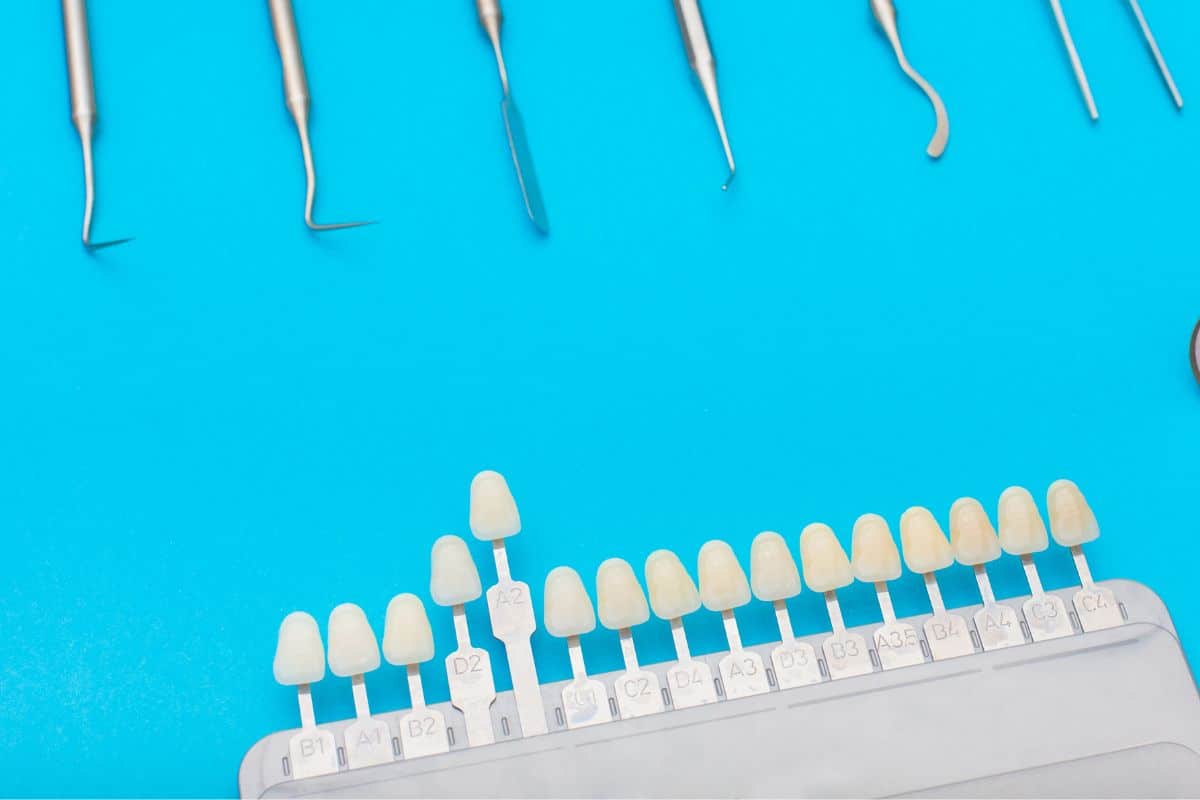
If you want a brighter, more confident smile, veneers offer one of the fastest and most reliable cosmetic dentistry solutions. They cover imperfections such as chips, gaps, stains, and worn edges, giving your smile a naturally enhanced look. Before you commit, it’s essential to understand how veneers work, what to expect, and whether they’re the right fit for your goals.
What Veneers Are and How They Work
Veneers are ultra-thin, custom-designed layers placed on the front of your teeth to improve their shape, color, and overall appearance. Most people choose porcelain veneers because they resist stains, mimic natural enamel, and last for many years. Composite veneers are more affordable and require less prep, but they don’t last as long.
You may be a good candidate if you want to improve your smile’s shape, color, or symmetry without major orthodontic work. Your dentist will help you decide which type fits your specific needs.
Your Consultation: What to Expect
Your veneer journey starts with a thorough consultation. Your dentist will take digital scans or X-rays, examine your bite, and talk through your smile goals. This is your chance to discuss your expectations, preferred tooth shape and shade, and the number of veneers you want.
Choosing a dentist with strong cosmetic training matters. Experience ensures you get natural-looking results that blend seamlessly with your facial features.
How Your Teeth Are Prepared
To make room for each veneer, your dentist removes a thin layer of enamel—typically less than a millimeter. This ensures the final result doesn’t look bulky.
You may receive temporary veneers while your final set is being created. They protect your teeth and offer a preview of your upcoming smile. Some people notice mild sensitivity during this stage, but it usually fades quickly.
The Veneer Placement Process
When your veneers are ready, your dentist checks their shape, color, and fit. Once everything looks perfect, the veneers are bonded using a strong dental adhesive and polished for a natural shine.
Most placement appointments take about one to two hours, depending on how many veneers you’re getting.
How Long Do Veneers Last
With the right care, porcelain veneers typically last 10 to 15 years, and many can last even longer. Composite veneers don’t last as long, offering an average lifespan of 5 to 7 years before replacement is needed. Your habits matter. Avoid chewing ice, clenching or grinding, and using your teeth to open items, as these habits can damage veneers. If you grind your teeth, your dentist may suggest a custom nightguard to protect your new smile.
How to Care for Your Veneers
You can keep your veneers looking great with simple habits:
- Brush twice a day with a non-abrasive toothpaste
- Floss daily
- Avoid chewing hard items like ice or pens
- Limit staining drinks such as coffee, tea, and red wine
- Visit your dentist regularly for cleanings and exams
These steps help you protect your veneers and maintain your overall oral health.
Common Misconceptions About Veneers
“Veneers look fake.”
High-quality veneers mimic natural enamel and blend seamlessly with your smile.
“Veneers ruin natural teeth.”
Your dentist removes only a small amount of enamel, and the procedure is safe when performed correctly.
“Veneers stain easily.”
Porcelain veneers resist staining, especially compared to natural enamel.
Pros and Cons to Consider
Pros
- Natural, long-lasting results
- Boosts confidence
- Resists stains
- Covers multiple cosmetic concerns at once
Cons
- Irreversible enamel removal
- Higher cost
- Possibility of temporary sensitivity
Take the Next Step Toward a Confident Smile
If you’re considering veneers, now is the perfect time to take the next step toward a more confident smile. At Canyons Family Dental, our cosmetic dentist in Sandy provides a personalized evaluation, walks you through your treatment options, and helps you determine whether veneers align with your goals. Investing in your smile today can lead to lasting confidence, improved self-esteem, and a smile you’re proud to share.
FAQs
Do veneers hurt?
Most patients feel very little discomfort during the procedure. You might notice temporary sensitivity afterward, but it typically fades quickly with good oral care and guidance from your dentist.
Are veneers reversible?
Veneers aren’t reversible because a small layer of enamel must be permanently removed for proper placement. Once applied, veneers become a long-term cosmetic solution meant to stay in place for years.
Can veneers stain?
Porcelain veneers resist stains well, but the bonding resin and natural tooth edges around them can discolor over time. Limiting staining foods and drinks helps maintain a bright appearance.
How many veneers should I get?
Many people choose 6–8 veneers for the upper front teeth to create a balanced smile. Your dentist will recommend the number that best supports your goals and facial aesthetics.
Are veneers right for teenagers?
Dentists usually recommend waiting until teeth and gums are fully developed. Placing veneers too early can affect long-term stability, so maturity and oral health are important considerations first.