
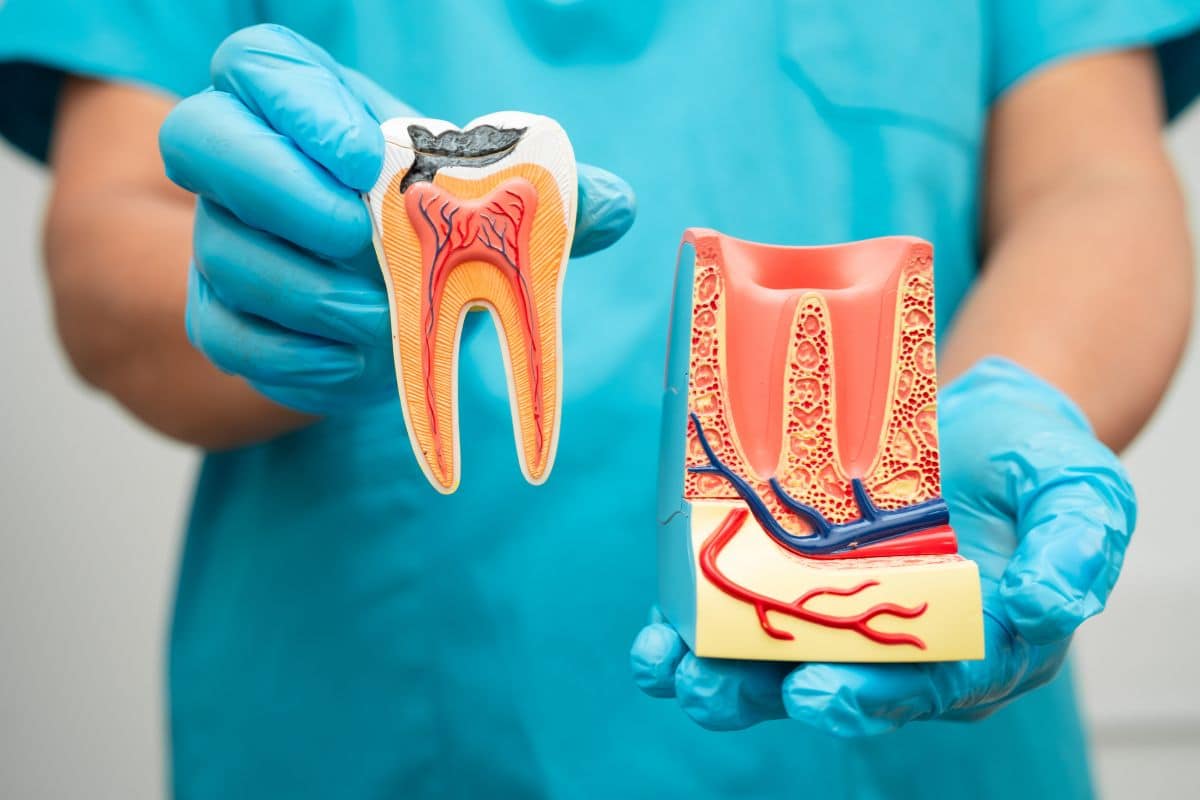
If your dentist has recommended a root canal, you probably have questions about what to expect. Root canal therapy is one of the most common treatments to save a natural tooth from severe infection or decay. Knowing how to prepare before treatment and what to do afterward makes the process easier and helps you heal faster.
Understanding the Purpose of a Root Canal
A root canal removes infected pulp inside your tooth, cleans and disinfects the canal, and seals it to prevent reinfection. Dentists often recommend this procedure to stop pain, preserve natural teeth, and restore oral function. While many patients worry about discomfort, advances in modern dentistry make root canals safe and highly effective. Learning what to expect during a root canal before and after the procedure reduces anxiety and helps you prepare mentally and physically.
Preparing for a Root Canal
Before your appointment, your dentist may take digital X-rays to evaluate the condition of your tooth. Ask your dentist what anesthesia will be used and whether you should eat before the treatment. Staying hydrated and eating a light meal often helps patients feel more comfortable. If your dentist prescribes antibiotics, make sure to take them as directed. Preparation plays a vital role in ensuring a smooth recovery.
What to Expect During the Procedure
Most root canals require one to two visits, depending on the severity of the infection. Your dentist will make sure you feel comfortable, gently take out the infected pulp, and clean the inside of the tooth so it can heal properly. After shaping the canal, they fill it with a biocompatible material and seal it. Placing a crown helps restore strength and provides lasting protection for the treated tooth. Patients usually feel relief from the pain caused by infection shortly after treatment.
Caring for Your Smile After a Root Canal
Once the procedure is complete, you might notice slight swelling or tenderness as your tooth begins to heal. Over-the-counter pain relief usually works well, but your dentist may prescribe medication if needed. Follow their instructions carefully to avoid complications. Stick to soft foods for the first few days and avoid chewing on the treated tooth until your dentist places a permanent crown. Proper oral hygiene—brushing twice daily, flossing, and regular dental checkups—will help keep your restored tooth healthy. Parents also learn that habits such as thumb sucking and baby teeth alignment can affect dental health later in life, which is why early dental visits are so important.
Long-Term Benefits of Root Canal Therapy
The main goal of a root canal is to save your natural tooth. Unlike extraction, which can lead to shifting teeth and bone loss, root canal therapy keeps your bite aligned and prevents the need for more complex treatments. With proper care, a tooth that has undergone a root canal can last a lifetime. Patients who commit to good oral hygiene and regular dental care enjoy long-lasting results and a healthier smile.
Tips for a Smooth Recovery
- Keep the treated area clean by brushing and flossing carefully.
- Attend follow-up visits to ensure proper healing.
- Wear a night guard if you grind your teeth.
- Call your dentist if you experience unusual swelling, pain, or sensitivity.
Following these tips makes recovery faster and helps you return to your routine without delays.
FAQ: What Patients Ask About Root Canals
1. How painful is a root canal?
Thanks to modern anesthesia, most patients report little to no pain during the procedure. Any mild soreness afterward typically fades within a few days.
2. How long does a root canal take?
A root canal usually takes one to two appointments, depending on how complex the case is.
3. Do I always need a crown after a root canal?
Many back teeth require crowns for protection, while front teeth sometimes do not. Your dentist will recommend the best option for your case.
4. How long will my tooth last after a root canal?
Your treated tooth can last a lifetime with proper oral care and regular checkups.
Take the Next Step Toward a Healthier Smile
A root canal can save your natural tooth and restore your oral health. If you live in Sandy and the surrounding communities, our experienced dental team is here to help you every step of the way. Book your visit today and keep your smile strong and healthy for years ahead.