
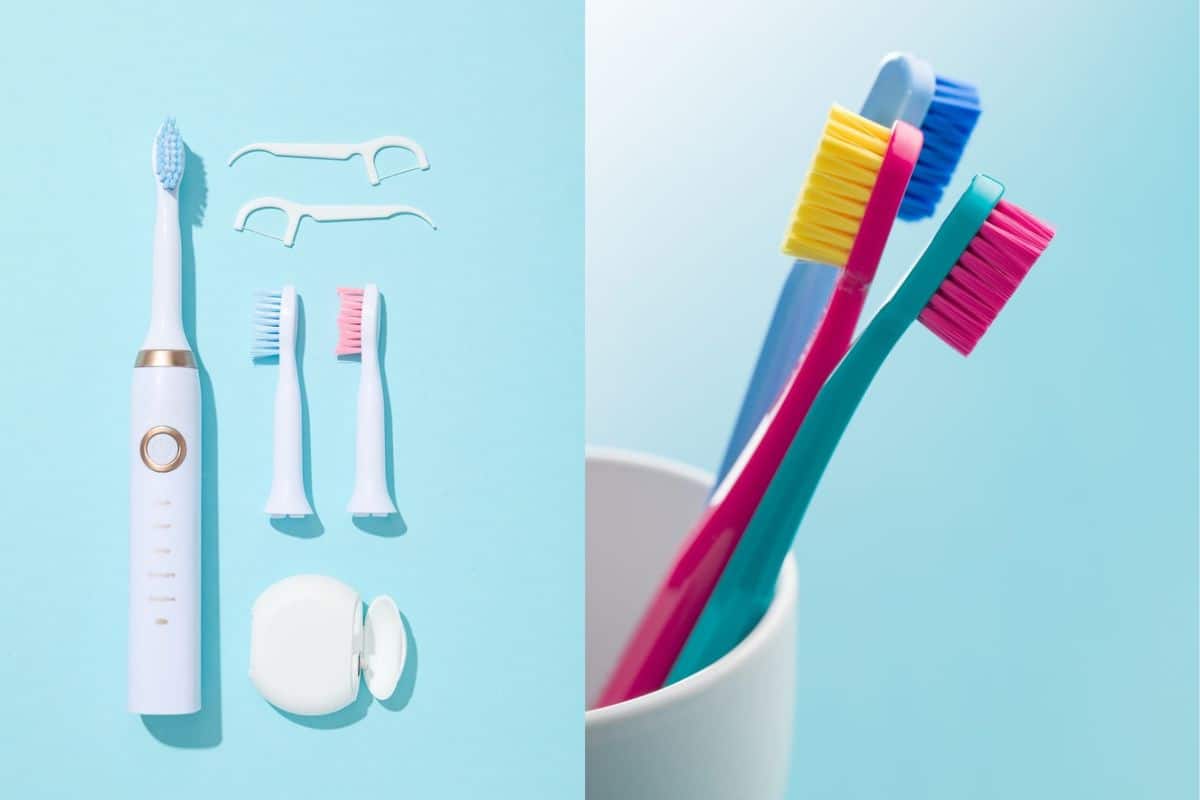
When it comes to keeping your gums healthy, the toothbrush you choose plays a bigger role than you might think. Brushing twice a day is non-negotiable—but should you stick with a traditional manual toothbrush or consider switching to an electric one? Dentists weigh in, and the answer might surprise you.
Understanding the Basics
Manual toothbrushes have been around for centuries. They’re simple, inexpensive, and widely available. They rely entirely on your brushing technique—angle, pressure, and duration all matter. In contrast, electric toothbrushes come with built-in motors that produce consistent, high-speed brush strokes to help remove plaque more effectively. Many also feature timers, pressure sensors, and even Bluetooth tracking to improve your brushing habits.
Gum Health: Why It Matters
Your gums are the foundation of your oral health. When you neglect them, you increase your risk of gingivitis, gum recession, and even tooth loss. Regular brushing helps prevent plaque buildup, which is the primary cause of gum inflammation. Could your manual toothbrush be providing sufficient care?
According to many dental professionals, electric toothbrushes offer significant advantages for gum care. Studies indicate that people who use electric toothbrushes experience less gum bleeding and reduced plaque buildup compared to those who use manual ones. The consistent motion and built-in features make electric models especially helpful for people with limited dexterity, such as kids, seniors, or those with arthritis.
If you’ve been searching for a dentist near you, you’ve likely seen recommendations for electric toothbrushes in modern dental care plans. That’s because dental offices see the long-term benefits firsthand—patients who switch to electric often come in with fewer gum issues during routine checkups.
What Dentists Recommend
Most dentists recommend electric toothbrushes for a straightforward reason: they make proper brushing easier and more effective. However, the key is not just what you brush with but how you brush. If you use a manual toothbrush with the correct technique—angled at 45 degrees, using gentle circular motions for two full minutes twice a day—you can still maintain healthy gums. However, it’s important to acknowledge that not everyone adheres to this routine consistently.
Electric toothbrushes fill this gap by simplifying the brushing process. Many models come with timers to ensure you brush long enough and sensors that alert you if you’re pressing too hard. These features help you protect your gums from damage caused by over-brushing, a common issue with manual brushes.
Which One Is Right for You?
Here’s a quick breakdown:
| Feature | Manual Toothbrush | Electric Toothbrush |
| Cost | Lower upfront cost | Higher initial investment |
| Ease of Use | Technique-dependent | User-friendly, often with timers and pressure sensors |
| Gum Protection | Varies significantly by technique | Enhanced with pressure sensors to prevent brushing too hard |
| Plaque Removal | Good with proper technique | Superior overall, often removing more plaque |
Choose a toothbrush that suits your lifestyle, but if you struggle with technique or want to simplify brushing, an electric toothbrush might be a better option for your gums.
How to Pick the Best Electric Toothbrush
Selecting the right electric toothbrush depends on your needs and preferences:
- Bristle Type: Soft bristles are gentler on gums, while medium bristles may help with plaque removal but can irritate sensitive tissue.
- Brush Head Size: A smaller brush head can reach tight spaces and the back teeth more effectively.
- Power Source: Rechargeable toothbrushes offer consistent power, while battery-operated models provide convenience for travel.
- Extra Features: Look for built-in timers, pressure sensors, and multiple cleaning modes tailored to your oral health needs.
Healthy gums don’t just happen—they require consistent care and the right tools. While manual toothbrushes can do the job with proper technique, electric toothbrushes make it easier to maintain strong brushing habits and protect your gum health over time. If you’re unsure which toothbrush is best for your smile, our dental team can help. Schedule an appointment today to get expert recommendations and take the next step toward healthier gums.
FAQs
Q: Are electric toothbrushes better for sensitive gums?
A: Electric toothbrushes with soft bristles and pressure sensors are gentler and reduce irritation for sensitive gums.
Q: Can I use a manual toothbrush if I have braces?
A: Absolutely. Use a soft-bristled brush and follow your orthodontist’s instructions for brushing around brackets and wires.
Q: How often should I replace my toothbrush?
A: Replace your toothbrush or brush head every 3-4 months, or sooner if bristles are frayed.
Q: Is it safe to use an electric toothbrush with dental implants?
A: Electric toothbrushes are safe and can help maintain implant health, but use gentle strokes around the implant site.