
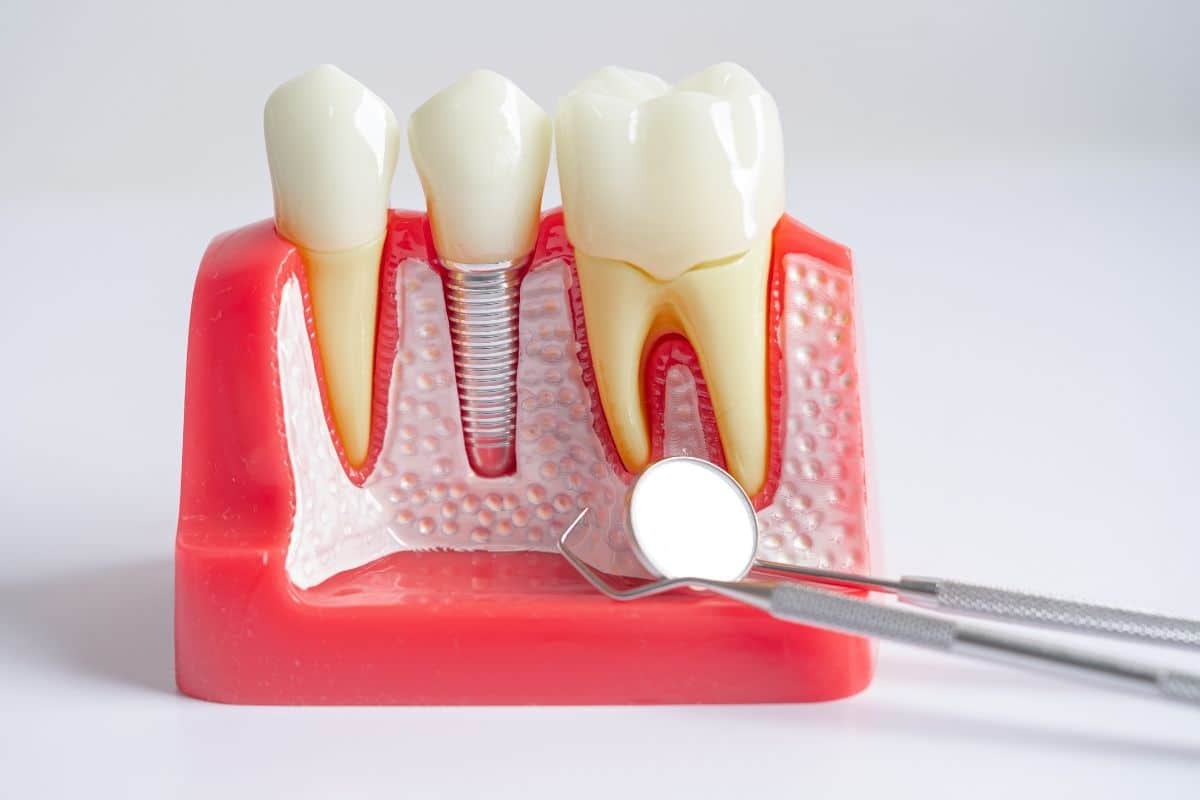
Dental implants are widely trusted for restoring missing teeth, offering durability, comfort, and a natural look. If you’re considering tooth implants in Sandy, understanding when and why implants may fail is an important part of protecting your long-term oral health. While success rates are very high, no procedure is completely risk-free. Patients in Sandy and nearby communities such as Draper, South Jordan, and Midvale benefit from understanding the critical healing phases and warning signs. The right care and guidance can prevent most implant issues, allowing you to enjoy a confident, healthy smile for years to come.
Understanding How Dental Implants Heal
Before exploring the risks of failure, it helps to understand how implants work. A dental implant integrates with your jawbone through a natural process called osseointegration, where the bone fuses with the implant post to create a stable foundation.
This healing phase is essential. When successful, it allows your implant to function just like a natural tooth. However, if something interferes with this process, complications may arise.
The Most Critical Healing Window After Placement
The first few months after implant surgery are the most delicate. During this time, your jawbone is actively bonding with the implant.
If the implant doesn’t properly fuse, it may become loose or uncomfortable. This is often referred to as early implant failure. Common contributing factors during this stage include:
- Infection at the surgical site
- Excessive movement of the implant
- Poor bone quality or density
- Smoking or reduced blood flow
Patients are usually advised to follow strict aftercare instructions, including maintaining excellent oral hygiene habits and avoiding hard or sticky foods.
What Happens Years After a Successful Implant?
Even if healing goes well, problems can still develop later. Late implant failure may occur months or even years after placement.
This type of issue is often linked to long-term factors such as the following:
- Gum disease around implants (peri-implantitis)
- Chronic teeth grinding or clenching
- Gradual bone loss
- Poor bite alignment
Unlike early failure, these issues tend to develop slowly. That’s why routine dental checkups are essential for patients in Sandy and the surrounding areas.
Common Causes That Increase Risk Over Time
Dental implant complications rarely happen without a reason. In most cases, multiple risk factors are involved.
Here are some of the most common contributors:
Lifestyle Habits
Smoking is one of the biggest risks. It reduces blood flow and slows healing, making both early and late complications more likely.
Medical Conditions
Conditions like diabetes can affect your body’s ability to heal and fight infection. Managing overall health plays a major role in implant success.
Bone and Gum Health
Healthy gums and sufficient bone support are critical. Without them, the implant may not stay stable long-term.
Bite Pressure and Teeth Grinding
Excessive force on an implant can weaken its structure over time. Patients with grinding habits may need protective solutions like nightguards.
Working with a qualified tooth implant specialist helps identify and manage these risks before treatment begins.
Warning Signs You Should Never Ignore
Recognizing early symptoms can make a big difference in saving an implant. While mild discomfort after surgery is normal, ongoing or worsening symptoms are not.
Watch for these signs:
- Persistent pain or swelling
- Bleeding or inflamed gums
- A loose or shifting implant
- Difficulty chewing
- Receding gum tissue around the implant
If you notice any of these, it’s important to seek care promptly. Early intervention can often prevent more serious complications.
Simple Ways to Protect Your Investment
The good news is that most implant failures are preventable with proper care and planning.
Here are practical steps to keep your implant healthy:
- Brush and floss daily to prevent bacteria buildup
- Schedule regular dental visits for monitoring
- Avoid smoking or tobacco use
- Follow all post-surgery instructions carefully
- Address teeth grinding or bite issues early
Conclusion
Dental implants are a reliable, long-term solution, but understanding the risk periods is key to success. From the initial healing phase to long-term maintenance, every stage plays a role in how well your implant performs. By staying proactive, maintaining excellent oral hygiene, and recognizing early warning signs, you can significantly reduce the chances of complications.
If you have questions or want personalized guidance, contact Canyons Family Dental today. Their team can help you make informed decisions and keep your smile strong and healthy for years to come. Find us on the map to visit our office and experience expert care firsthand.