
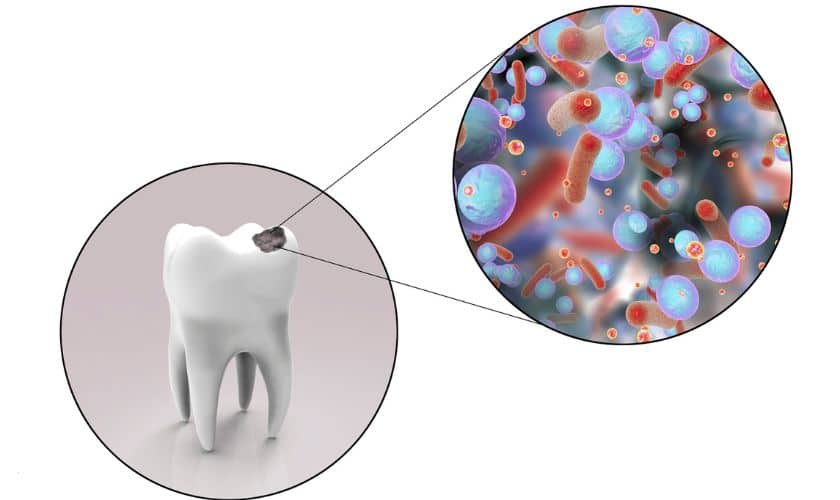
Cavities, or dental caries, are sly little things. They can develop silently, gradually eating away at your tooth enamel without causing any immediate discomfort. But left unchecked, these tiny invaders can wreak havoc on your smile, leading to pain, sensitivity, and even tooth loss.
The good news is that you’re not powerless against cavities. Early detection is the key to preventing them from becoming a major problem. This blog post empowers you to become your own dental detective, equipping you with the knowledge to identify the early signs and symptoms of cavities. Armed with this information, you can take proactive steps to maintain a healthy smile.
Understanding Cavities: How They Form and the Importance of Early Detection
Cavities form when plaque, a sticky film of bacteria, builds up on your teeth. These bacteria feed on sugars in your food and drinks, producing acids that erode tooth enamel. Over time, this erosion weakens the enamel, creating a cavity.
The earlier you detect a cavity, the easier and more affordable the treatment will be. In the early stages, a simple filling can stop the decay and restore the tooth’s structure. However, neglecting a cavity allows it to grow deeper, potentially reaching the dentin layer beneath the enamel. This can cause significant pain and may require more extensive procedures like crowns or root canals. In the worst-case scenario, a severely damaged tooth might need extraction.
Spotting the Warning Signs: Early Signs of Cavities
Here’s a breakdown of the key signs and symptoms that might indicate a cavity:
- Tooth Pain: This is a classic sign, but it doesn’t always occur in the early stages. Pain can be sharp, throbbing, or a dull ache, often triggered by hot, cold, or sweet foods and drinks.
- Tooth Sensitivity: Your teeth might become sensitive to touch, pressure, or even inhaling cold air. This can be a subtle sign, but it shouldn’t be ignored.
- Discoloration: Keep an eye out for white, brown, or black spots on the surface of your teeth. These discolorations can indicate areas where enamel erosion has begun.
- Holes or Pits: As cavities progress, they can create noticeable holes or pits on the tooth’s surface, becoming easier to detect visually.
- Roughness on Teeth: Run your tongue gently over your teeth. If you feel a rough or sticky spot, it could be a sign of enamel breakdown due to a cavity.
- Swollen Gums: Inflamed or swollen gums near a specific tooth can be a red flag, potentially indicating an infection caused by a cavity.
- Bad Breath: Persistent bad breath (halitosis) can sometimes be a sign of a cavity or gum disease.
Beyond the Basics: Other Signs You Shouldn’t Ignore
In some cases, cavities can cause additional symptoms that go beyond the typical signs listed above. Here are a few less common indicators to be aware of:
- Visible Abscess: An abscess is a pus-filled pocket that forms around an infected tooth. This can cause swelling, tenderness, and even facial pain.
- Difficulty Chewing: If a cavity weakens a tooth significantly, it can become painful or difficult to chew on that side of your mouth.
- Loose Tooth: In very advanced stages, a cavity can weaken the tooth’s structure to the point where it feels loose or wiggly.
Prevention is Your Best Defense
By incorporating these habits into your daily routine, you can significantly reduce your risk of developing cavities:
- Brush your teeth twice a day for at least two minutes with fluoridated toothpaste. Fluoride strengthens tooth enamel and reduces decay.
- Floss daily to remove plaque and food particles from between your teeth, where brushing can’t reach.
- Maintain a healthy diet that limits sugary and acidic foods and drinks. These substances contribute to the growth of cavity-causing bacteria.
- Schedule regular dental checkups and cleanings (typically every six months) for professional cleaning and early cavity detection. Your professional dentist can also provide personalized advice on maintaining good oral hygiene.
Conclusion:
If you experience any of these signs, it’s crucial to schedule an appointment with your dentist as soon as possible. Early diagnosis allows for minimally invasive treatment options like fillings, preventing the cavity from causing further damage. Remember, a small filling is much easier and less expensive to deal with than a complex dental procedure down the line.