
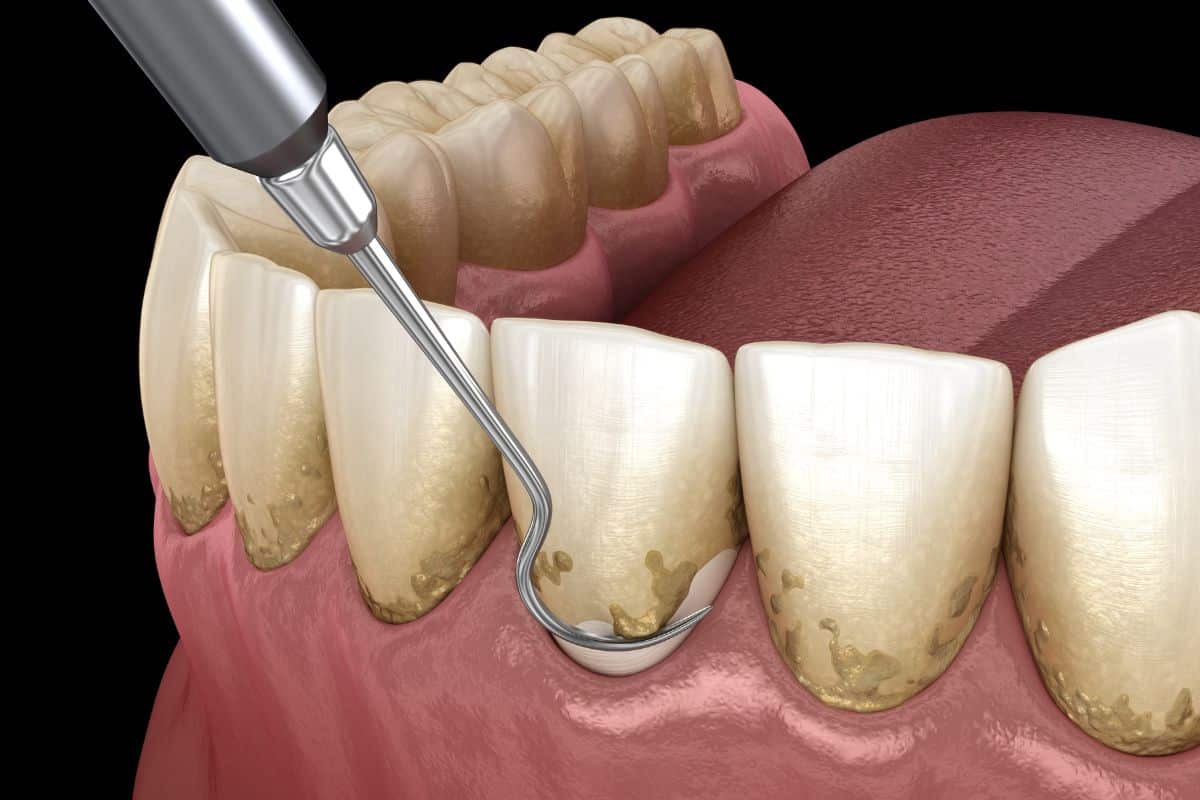
Healing after scaling and root planing (SRP) is essential to maintaining oral health. This deep-cleaning procedure targets the bacteria and plaque that build up beneath the gum line, leading to periodontal disease. While SRP can significantly improve gum health, how you care for your mouth afterward plays a crucial role in your recovery. Let’s explore how to heal effectively after scaling and root planing.
What to Expect After Scaling and Root Planing
Right after your SRP treatment, you may notice some tenderness and sensitivity in your gums and teeth. This is normal as the gums start to heal and reattach to the teeth. You might also experience slight bleeding when brushing or flossing, which should subside within a few days.
Managing Discomfort After SRP
It’s normal to feel some soreness or sensitivity after SRP. About 47.2% of adults over 30 in the United States show signs of gum disease, making SRP a widely recommended treatment. You may experience tenderness around the treated areas for a few days, especially when brushing or eating.
To manage this discomfort, dentists often suggest:
- Taking over-the-counter pain relief like ibuprofen.
- Gently rinse your mouth with warm salt water, but avoid swishing forcefully.
- Using a desensitizing toothpaste to minimize sensitivity.
If you’re seeing a dentist in Sandy, follow their aftercare instructions closely. They may recommend specific rinses or products tailored to your condition.
Proper Oral Hygiene for Faster Healing
Sticking to a solid oral hygiene routine after SRP will help you heal faster and prevent bacteria from re-entering the cleaned gum pockets.
Here’s what your routine should include:
- Brushing twice daily with a soft-bristled toothbrush.
- Gently floss to protect your healing gums from irritation.
- Using a dentist-recommended antimicrobial mouthwash.
Avoid harsh scrubbing, as this can reopen the gum tissue trying to heal. After a few days, your gums should start looking less inflamed, and your bleeding should be reduced.
Dietary Recommendations During Recovery
Your diet plays a key role in your healing process. Right after your appointment, choose soft, nutrient-rich foods to avoid aggravating the treated areas. Great choices include:
- Smoothies with leafy greens and fruits
- Scrambled eggs
- Mashed vegetables
- Oatmeal and yogurt
Avoid hot, crunchy, spicy, or acidic foods for at least 48 hours after your treatment. Stay hydrated by drinking plenty of water—it helps flush out bacteria and promotes healing in your gums.
Long-Term Care for Healthy Gums
Healing doesn’t stop once the soreness goes away. You’ll need to stay committed to your gum health long-term to maintain the benefits of your SRP treatment.
Here’s how:
- Continue seeing your dentist for regular cleanings every 3–4 months.
- Don’t skip flossing or brushing, even when your gums feel normal.
- Watch for signs of tartar build-up and address them quickly.
Gum disease is a chronic condition. Maintaining a good oral hygiene routine can prevent it from returning.
Signs of Infection to Watch For
Although complications are rare, it’s important to recognize when something isn’t right. Call your dentist right away if you notice any of the following:
- Increased swelling or pus around your gums
- A foul odor or taste in your mouth
- Prolonged bleeding beyond 48 hours
- Fever or general illness
These symptoms could signal an infection that needs prompt treatment. Early action can stop further damage and get you back on the road to recovery.
Conclusion
Healing after scaling and root planing is just the beginning. To improve your gum health, commit to long-term care. Continue brushing and flossing daily, eat a balanced diet, and avoid habits that can harm your gums, like smoking. With the right care, you can enjoy a healthy smile and prevent periodontal disease from recurring.
Scaling and root planing are powerful tools in the fight against gum disease. By following these steps, you can ensure a smooth recovery and protect your oral health for years to come. Remember, your dentist near you is a vital partner in your recovery. Feel free to reach out with any questions or concerns throughout the process.