
Oral surgery can be tough on your mouth, but choosing the right foods afterward helps you heal faster and feel better. Eating soft, nutritious foods while your mouth is sensitive can reduce discomfort and prevent complications. Whether you’ve had a tooth extraction, dental implants, or gum surgery, knowing what you can eat will make your recovery smoother.
Here’s a comprehensive post-surgery diet guide to help you get through the healing process.
Stick to Soft Foods:
Immediately after oral surgery, your mouth will be tender. Soft foods after oral surgery are the easiest to eat without irritating your surgical site. Some great options include:
- Mashed potatoes – Soft, creamy, and easy to flavor, mashed potatoes are a filling post-surgery option.
- Yogurt – Choose plain or low-sugar varieties to avoid irritating your mouth. Yogurt’s creamy texture makes it easy to consume.
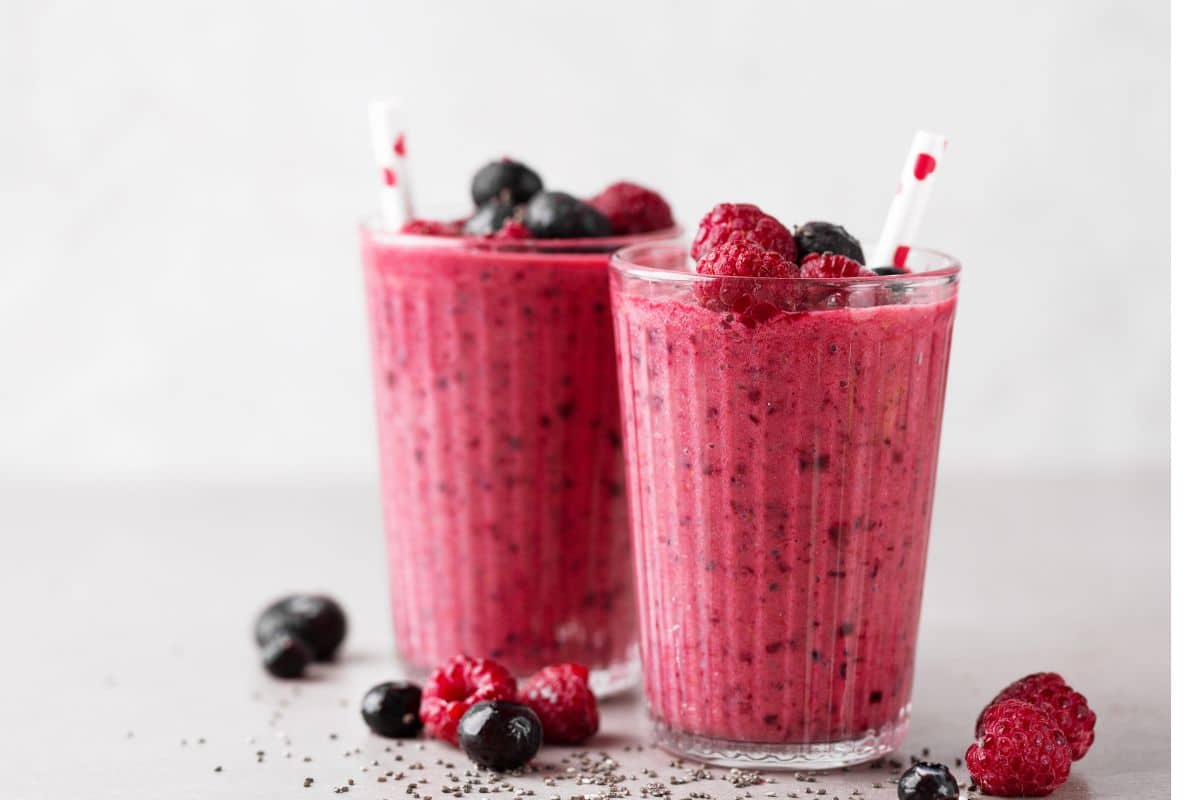
- Smoothies – Blending fruits, vegetables, and protein powders into smoothies is an easy way to get nutrients. Just avoid seeds that can get stuck in your mouth.
- Applesauce – This provides vitamins without requiring much chewing.
Choose High-Protein Foods for Recovery:
Protein is essential for healing, especially after surgery. Eating soft, protein-rich foods will support tissue repair and give you energy during recovery. Some excellent choices are:
- Scrambled eggs – Soft and easy to eat, scrambled eggs provide a great source of protein.
- Cottage cheese – Mild and creamy, cottage cheese is a good protein source that requires no chewing.
- Blended soups – Creamy soups made from vegetables like carrots, sweet potatoes, or squash provide both protein and nutrients. Avoid soups with chunks of meat or vegetables until your mouth heals.
Incorporate Nutritious Foods for Faster Healing
After oral surgery, your body needs nutrients to repair tissues and fight infection. Focus on nutrient-dense foods like:
- Oatmeal – Soft and easy to swallow, oatmeal is full of fiber, which aids digestion and keeps you full.
- Broth – Bone or vegetable broths are packed with nutrients and can help keep you hydrated.
- Avocados – Creamy and rich in healthy fats, avocados support healing and help your body absorb vitamins.
- Bananas – Soft and gentle on your mouth, bananas provide potassium and other vitamins essential for recovery.
Stay Hydrated with Non-Irritating Beverages
Staying hydrated is critical after surgery. However, avoid hot beverages that could irritate your surgical site. Cold or lukewarm liquids are best, and you should steer clear of drinks that are too sugary or acidic. Consider:
- Water – The best option to keep you hydrated without any irritation.
- Herbal teas – Drink them cold or lukewarm to avoid discomfort.
- Milk – Full of calcium, milk can help promote healing. It’s also soothing if your mouth is sore.
Avoid Problematic Foods and Drinks
Certain foods can irritate your surgical site or cause complications during healing. To avoid setbacks, steer clear of:
- Crunchy or hard foods – Chips, nuts, and crackers can get stuck in your surgical site or irritate your stitches.
- Spicy foods – Spices can cause pain or discomfort, especially if your mouth is swollen or sensitive.
- Acidic foods – Citrus fruits, tomatoes, and vinegar-based foods may irritate your mouth.
- Alcohol – Alcohol can interfere with healing and may interact negatively with any pain medication you’re taking.
- Hot liquids – Coffee, tea, and soup can cause discomfort at the surgical site. Stick to lukewarm or cool options instead.
Gradually Reintroduce Other Foods
As your mouth heals, you can reintroduce more foods into your diet. Begin by adding slightly firmer options like soft pasta, cooked vegetables, and fish. Keep monitoring your comfort levels, and don’t rush the process. If you feel any discomfort, stick to softer foods for a few more days.
Listen to Your Dentist’s Recommendations
Always follow your dentist’s instructions regarding post-surgery care and diet. Every surgery is different, and your local dentist near you will give you specific advice based on your procedure. They may also provide a list of foods you should avoid and a timeline for when you can start eating more solid meals.
Final Thoughts
Your diet plays a key role in how quickly and comfortably you recover from oral surgery. By focusing on soft, nutritious foods, you’ll support your body’s healing process while minimizing discomfort. Gradually, you can add more variety to your diet as your mouth heals.
Remember, hydration is just as important as what you eat. Drink plenty of water and avoid sugary or acidic drinks that could irritate your mouth. With the right post-surgery diet, you’ll be back to your normal eating routine in no time. For more advice on recovery after oral surgery, consult with your local dentist or oral surgeon near you.