
Tooth sensitivity can turn everyday activities like eating, drinking, and even brushing into painful experiences. You’re not alone if you struggle with sharp, sudden discomfort when consuming hot, cold, or sweet foods. Millions of Americans deal with tooth sensitivity, but relief may be closer than you think. One often-overlooked solution is dental sealants. While commonly used to protect kids’ teeth from cavities, sealants can also benefit adults with sensitive teeth. But do they work? Let’s dive into how dental sealants can help and whether they’re the right choice for you.
How Do Dental Sealants Work?
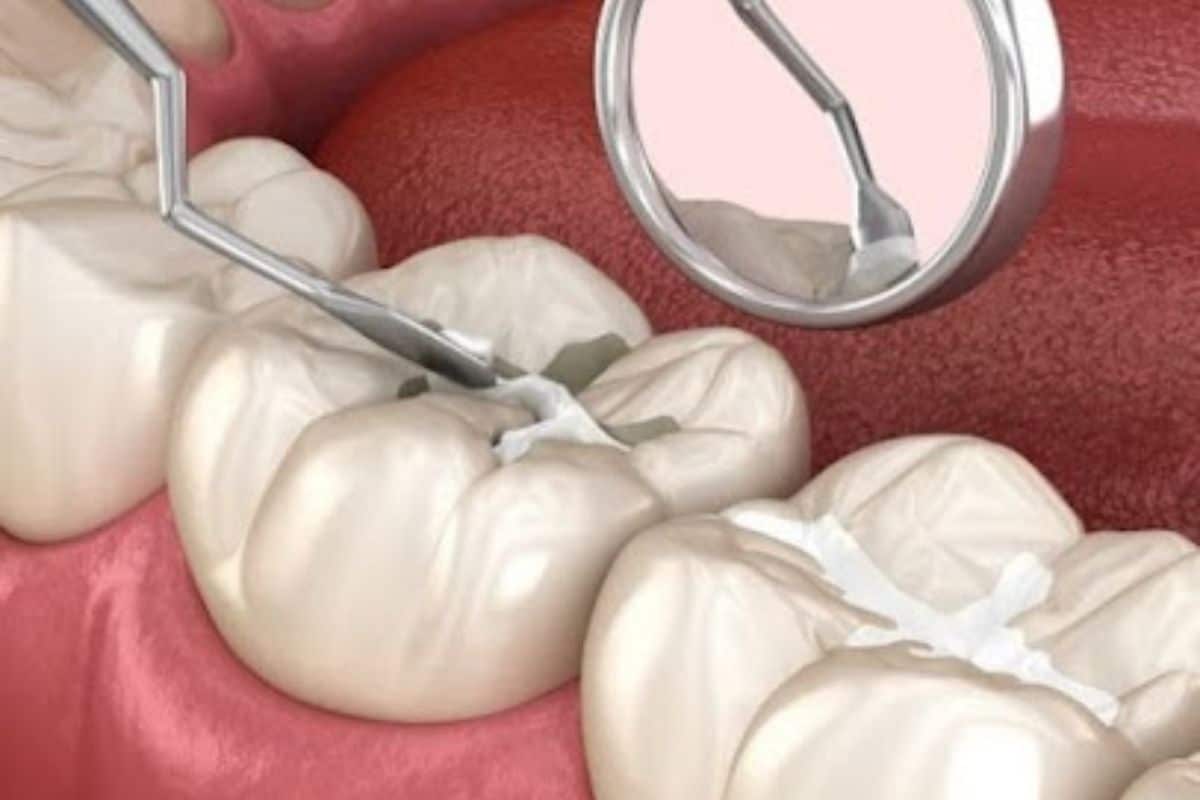
A dentist in Sandy applies a dental sealant as a thin, protective coating over the chewing surfaces of your molars. These sealants act as a barrier, preventing food particles and bacteria from settling into the grooves of your teeth. Since enamel erosion and exposed dentin contribute to sensitivity, sealing these vulnerable areas can reduce discomfort.
Can Sealants Help with Tooth Sensitivity?
Yes, dental sealants can help with tooth sensitivity in some cases. Sealants are thin, protective coatings applied to the chewing surfaces of teeth, primarily the molars. They help shield the teeth from cavities by preventing bacteria and food particles from accumulating in the deep grooves.
When it comes to tooth sensitivity, sealants can provide relief by creating a barrier that protects the tooth enamel from external stimuli, such as hot, cold, or acidic foods, which are often triggers for sensitive teeth. They don’t necessarily address the root cause of sensitivity, such as gum recession or enamel erosion, but they can alleviate discomfort by reducing exposure to irritants.
If you experience persistent tooth sensitivity, it’s a good idea to consult a dentist to determine the underlying cause and to explore potential treatments, including sealants, fluoride treatments, or other interventions tailored to your specific needs.
Are You a Good Candidate for Sealants?
Dentists typically recommend sealants for children, but many adults with sensitive teeth can benefit too. If your sensitivity comes from enamel loss or deep grooves in your molars, your dentist may suggest sealants as a preventive measure. However, other treatments like fluoride applications or desensitizing toothpaste may be more effective if your sensitivity stems from gum recession or cavities.
How Long Do Dental Sealants Last?
Sealants can last anywhere from three to ten years, depending on your oral habits and how well you care for your teeth. Regular dental checkups will ensure they remain intact. Your dentist can easily reapply if a sealant wears down or chips.
Alternative Solutions for Sensitive Teeth
If dental sealants aren’t the best option for you, don’t worry—other treatments can help:
- Fluoride Treatments – Strengthen enamel and reduce sensitivity over time.
- Desensitizing Toothpaste – Contains ingredients that block pain signals from reaching the nerve.
- Bonding Agents – Seal exposed dentin with a tooth-colored resin.
- Gum Grafts – Cover exposed tooth roots if gum recession is the cause of your sensitivity.
Tooth sensitivity doesn’t have to control your life. Dental sealants offer a simple, effective way to protect teeth and reduce discomfort. While they work best for individuals with enamel erosion or deep grooves in their molars, they’re not the only solution. If you’re struggling with tooth sensitivity, talk to your dentist about whether sealants or other treatments are right.
Ready to take control of your oral health? Schedule an appointment with your dentist today and find the best solution for your sensitive teeth!
Related blog: What To Expect During A Dental Sealant Procedure?