
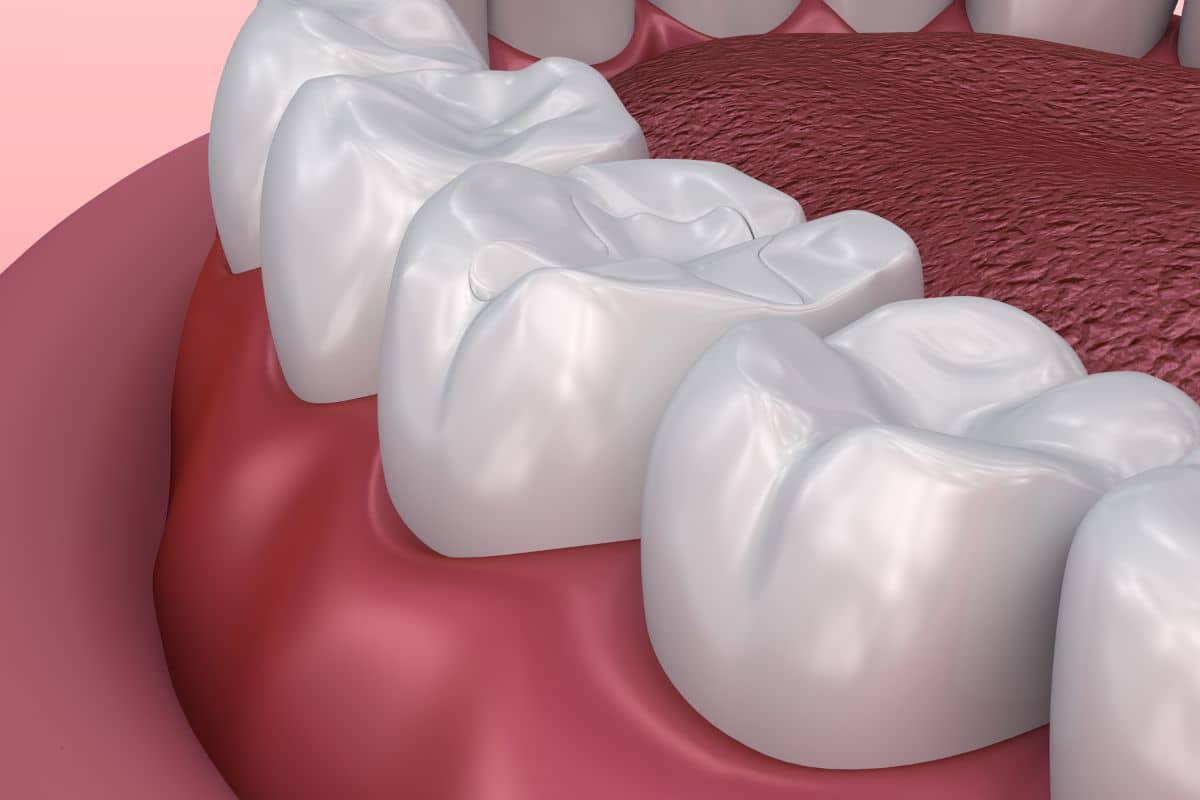
Dental sealants are a proactive measure to protect your teeth from cavities and decay. They are especially beneficial for children and teenagers who may be more prone to cavities due to their diet and oral hygiene habits. If you’re considering dental sealants for yourself or your child, you might be wondering what to expect during the procedure. Here’s a comprehensive guide to help you understand the process and what you can expect.
What Are Dental Sealants?
Dental sealants are thin, protective coatings applied to the chewing surfaces of the back teeth, known as molars and premolars. These teeth have deep grooves and fissures that can trap food and bacteria, making them more susceptible to cavities. Sealants act as a barrier, preventing plaque and food particles from getting stuck in these grooves.
The Preparation Phase
Before the procedure begins, your dentist will assess whether your or your child’s teeth are suitable for sealants. During this assessment, the dentist will examine the teeth for any existing issues and ensure they are clean and free from cavities. If a cavity is present, it will need to be treated before applying the sealant.
The Cleaning Process
Once the dentist confirms that the teeth are ready for sealants, the next step is cleaning. The dentist will thoroughly clean the teeth to remove any plaque, food particles, or bacteria. A clean surface is essential for the sealant to adhere properly and be effective in protecting the teeth.
Tooth Preparation
After cleaning, the dentist will prepare the tooth surface for sealant application. This involves applying a mild acid solution to etch the surface of the teeth. The etching process roughens the tooth enamel slightly, which helps the sealant bond better. The dentist will rinse off the acid solution and dry the teeth completely.
Applying the Sealant
With the tooth surface prepared, the dentist will apply the sealant material. The sealant is a liquid that flows into the grooves and fissures of the tooth. It’s carefully applied to ensure it covers all the targeted areas. The dentist will then use a special light to harden or “cure” the sealant. This light helps the sealant set quickly and securely.
Final Checks
Once the sealant has hardened, the dentist will check the bite to ensure that the sealant doesn’t interfere with the way the teeth come together. If necessary, the dentist will adjust the sealant to make sure it fits comfortably and doesn’t affect your bite.
Aftercare and Maintenance
The dental sealant procedure is quick and generally painless. You might experience a slight sensation of pressure or discomfort during the application, but this should be minimal. There’s no downtime required, so you or your child can resume normal activities immediately after the procedure.
To maintain the effectiveness of the sealants, continue to practice good oral hygiene. Brush and floss regularly and visit your dentist for routine check-ups. Sealants can last several years, but your dentist in Sandy will monitor their condition during regular dental visits and may recommend reapplication if needed.
Benefits of Dental Sealants
Dental sealants offer several benefits, including:
- Cavity Prevention: Sealants provide an extra layer of protection against cavities, particularly in the deep grooves of molars.
- Cost-Effective: Preventing cavities with sealants can save money on more extensive dental treatments in the future.
- Easy Application: The application process is quick and non-invasive, making it an excellent option for children and adults alike.
Conclusion
Dental sealants are a valuable preventive measure to protect your teeth from cavities and decay. The procedure is straightforward, involving cleaning, tooth preparation, sealant application, and final adjustments. By understanding what to expect during a dental sealant procedure, you can feel more confident and informed about this effective dental treatment. If you have any questions or concerns about dental sealants, consult your dentist to learn more about how they can benefit your oral health. For more information on dental sealants or to schedule a consultation, contact your local dental office today.