If you use an electric toothbrush, you already give your smile a decisive advantage. Electric brushes clean more consistently, reach tricky areas more effectively, and support healthier gums. Still, you only get these benefits when you replace your toothbrush head on time. Many people stretch the lifespan of their brush heads without realizing they reduce cleaning power and risk their oral health.
In this guide, you will learn how often you should replace your brush heads, the signs that indicate it is time for a replacement, and how this simple habit helps you protect your teeth long-term.
How Often Should You Replace Your Toothbrush Head?
Most dentists recommend replacing your electric toothbrush head every three months. This timeframe delivers the best brushing performance because the bristles stay firm, flexible, and well-shaped for effective cleaning. Once the three-month mark is reached, the bristles start to lose their original shape, and their cleaning ability declines.
Your lifestyle and brushing habits also play a role. If you brush more than twice a day, use firm pressure, or deal with gum sensitivity, you may need to replace your brush head sooner. Pay attention to how your toothbrush head looks and feels because visual changes often tell you everything you need to know.
Signs That You Need a New Electric Toothbrush Head
Since you use your electric toothbrush every day, look for early signs that it no longer works the way it used to. Replace the brush head when:
✔ The bristles look frayed or spread apart.
Frayed bristles lose their ability to reach plaque and debris along the gumline. They can also feel harsher on your gums.
✔ The color indicator fades.
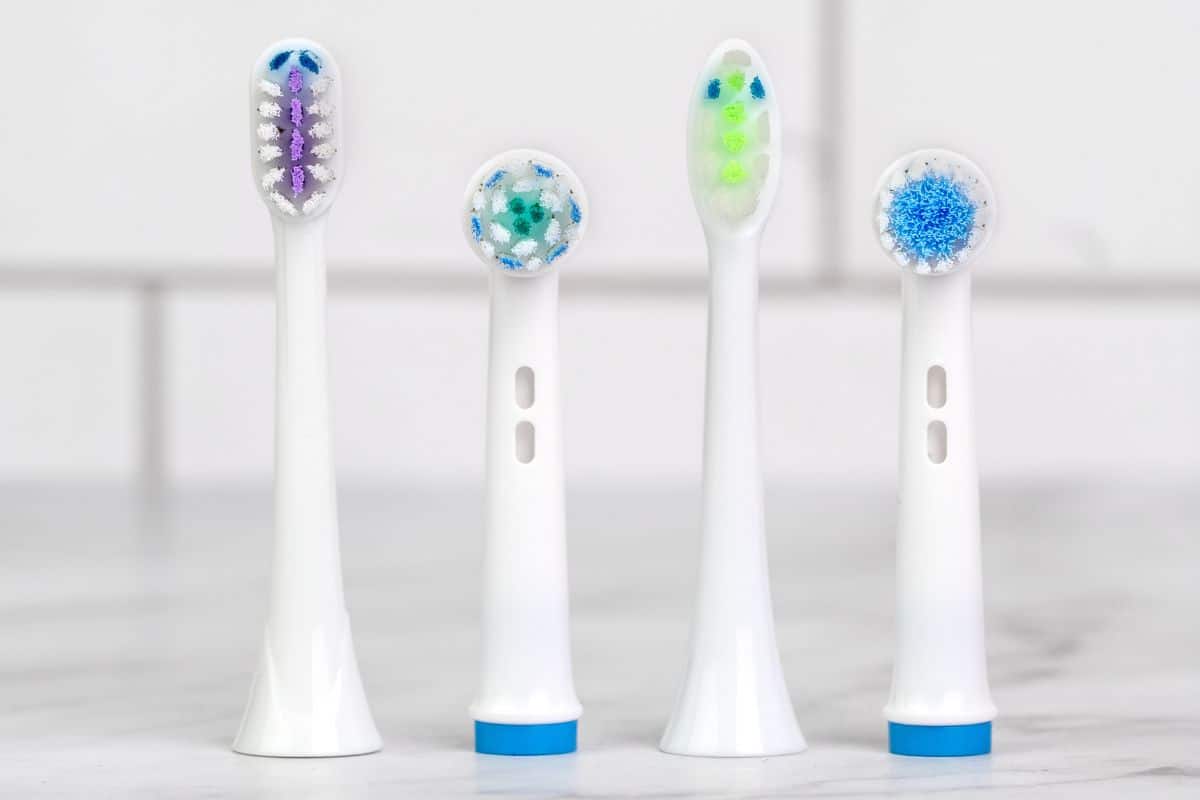
Many electric toothbrush heads include color fade indicators (often blue bristles). When the colored section gets lighter, it signals that the bristles have worn down.
✔ You notice reduced cleaning power.
If your teeth don’t feel as clean after brushing or you notice more plaque buildup than usual, you should replace your brush head.
✔ You recently recovered from an illness.
Bacteria accumulate on toothbrush bristles, so refresh your brush head after an illness to protect your oral health.
Why Replacing Your Toothbrush Head Matters
Your toothbrush head has a greater impact on your overall oral hygiene than you realize. A worn brush head cannot remove plaque effectively and may irritate your gums. When you replace it on time, you improve your brushing performance and support healthier gums, stronger enamel, and fresher breath.
This habit also helps you avoid unnecessary dental problems. Many gum issues begin when plaque sits too long in hard-to-reach areas. A fresh toothbrush head reaches those hard-to-reach spots more effectively and helps keep bacteria under control. If you ever need help choosing the right brush head or want personalized recommendations, you can consult a local dentist near you for guidance.
Tips for Making Your Electric Toothbrush Head Last Longer
Even though you should replace your brush head every three months, you can take steps to keep it in good condition.
✔ Rinse thoroughly after every use.
Rinse the brush head under warm water to remove toothpaste, foam, and debris.
✔ Store it upright
Place your toothbrush in an upright position to air dry. Good airflow keeps bacteria from growing.
✔ Avoid brushing with heavy pressure.
Let the electric toothbrush do the work. Pressing too hard bends the bristles and reduces their lifespan.
✔ Use the proper cleaning modes.
Gentle modes help extend the bristle shape, especially if you have sensitive gums.
Best Types of Electric Toothbrush Heads for Your Needs
Different brush heads support different brushing styles. Choose the type that aligns with your goals:
✔ Soft bristle heads
Great for gum sensitivity and everyday plaque removal.
✔ Whitening brush heads
Feature polishing cups that help remove surface stains from foods and drinks.
✔ Orthodontic-friendly heads
Designed to clean around brackets and wires more effectively.
✔ Gum care brush heads
Improve gum stimulation and support healthier tissue.
When you choose the right type and replace it on time, you maintain strong oral hygiene and enjoy better results from your brushing routine.
Stronger Brushing Habits Start with the Right Dental Team
If you want a dental team that understands your smile and your community, our dental office in Sandy is here for you. We listen, we guide, and we help you build healthier habits that make a real difference. Whether you want advice on brushing, need professional cleanings, or want a complete oral health plan, we deliver care that supports your lifestyle and keeps you feeling confident. Contact us today and experience a new level of comfort, clarity, and long-term smile health with a team that puts you first.
FAQs:
How often should I replace my electric toothbrush head?
Most people replace their electric toothbrush head every 3 months because the bristles remain firm and effective for that period. When bristles flatten or lose shape, they clean less and leave more plaque behind.
Can I replace my toothbrush head sooner than three months?
Yes. If the bristles look frayed, the color indicator fades, or your brushing feels less effective, you should switch to a fresh brush head right away. People who brush more than twice a day or use extra pressure often need earlier replacements.
Do worn toothbrush heads affect my gums?
They can. Old bristles feel rough, can irritate the gums, and struggle to remove plaque along the gumline. Fresh brush heads glide more comfortably and clean more completely.