
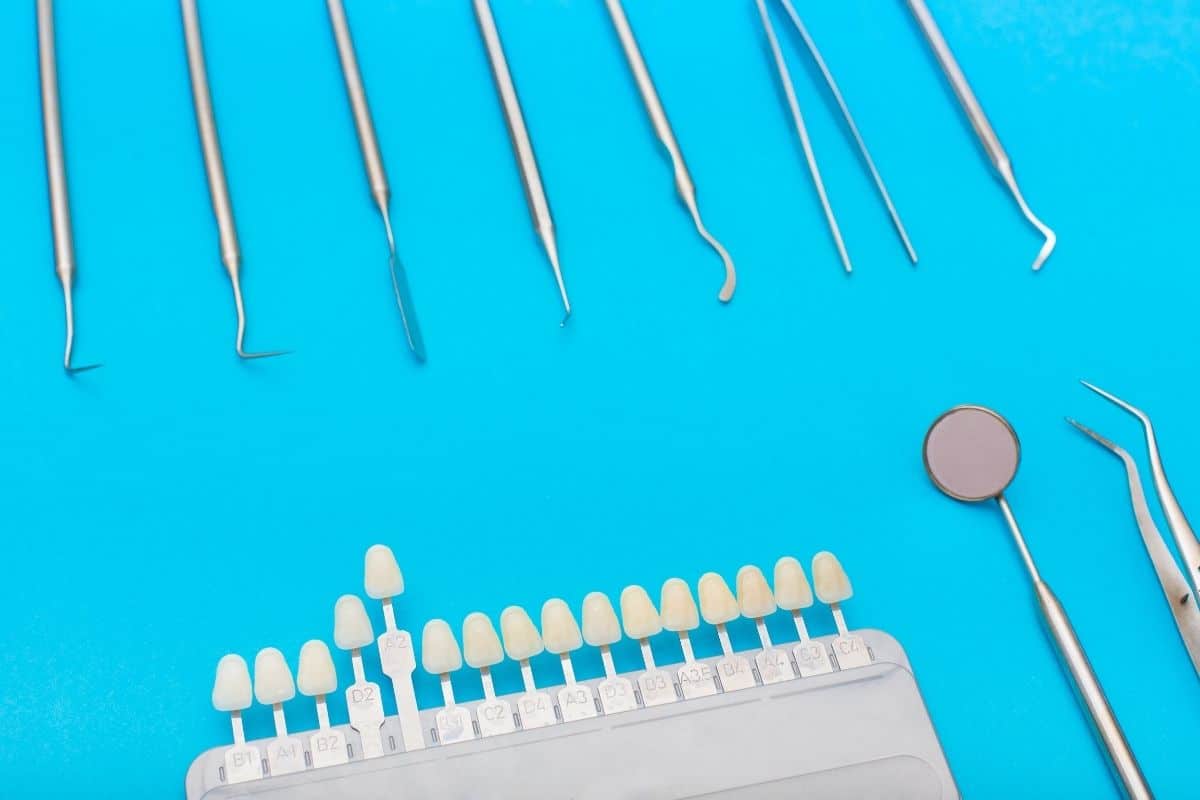
A bright, confident smile can make a big difference in how you feel about yourself. Many people turn to veneers to correct chips, stains, gaps, or uneven teeth. If you’ve been exploring cosmetic dentistry in Sandy, you may have come across a common concern: Do teeth rot under veneers?
This question is understandable because veneers cover the front surface of your teeth, which can make people wonder what happens underneath. Patients in Sandy and nearby areas often ask whether veneers protect teeth completely or if decay is still possible. Understanding how veneers work and how to care for your teeth after treatment can help you enjoy a healthier, longer-lasting smile.
What Veneers Actually Do for Your Smile
Dental veneers are thin shells, usually made from porcelain or composite resin, that are bonded to the front surface of teeth. They are designed to improve the appearance of teeth affected by issues such as:
- Chipped or worn enamel
- Deep stains that don’t respond to whitening
- Uneven or irregularly shaped teeth
- Small gaps between teeth
Because veneers are custom-made, they blend naturally with your existing teeth and create a balanced, attractive smile. The procedure typically involves removing a very small layer of enamel so the veneer fits comfortably and looks natural.
While veneers dramatically improve the look of your smile, they do not replace your natural tooth structure. The original tooth remains underneath the veneer and still requires proper care.
Can Tooth Decay Occur Beneath Veneers?
The short answer is yes, but it is not common when veneers are placed correctly and maintained properly.
Veneers themselves cannot decay because they are made from durable materials. However, the natural tooth underneath can still develop cavities if plaque and bacteria accumulate around the edges of the veneer or along the gumline.
Since veneers cover only the front surface of the tooth, areas such as the back and sides remain exposed. If oral hygiene habits are neglected, bacteria can attack those areas just as they would with untreated teeth.
Fortunately, most patients never experience this issue when they follow good oral care practices and attend regular dental checkups.
Common Myths About Veneers and Tooth Health
Many misconceptions about veneers come from outdated information or misunderstandings about the procedure. Let’s look at a few common myths.
Myth: Teeth are shaved down significantly
Modern veneer techniques are minimally invasive. Dentists usually remove less than half a millimeter of enamel to prepare the tooth. Your natural tooth structure remains largely intact.
Myth: Veneers automatically cause cavities
Veneers do not cause cavities. Decay only occurs when bacteria and plaque are allowed to build up, just like with natural teeth.
Myth: Veneers weaken your teeth
When properly bonded, veneers can actually strengthen the outer surface of the tooth and protect damaged enamel.
Myth: Veneers are purely cosmetic
While veneers improve appearance, they can also help restore worn enamel, improve tooth shape, and create a more balanced bite.
Understanding these facts helps patients feel more confident about choosing veneers as part of a smile improvement plan.
Why Decay Might Develop Under a Veneer
Although uncommon, there are a few situations that may allow cavities to form beneath a veneer.
Poor Oral Hygiene
If brushing and flossing are skipped regularly, plaque can accumulate around the margins of the veneer. Over time, bacteria may reach the underlying tooth and cause decay.
Improper Placement
Veneers must fit tightly against the tooth. If they are poorly bonded or placed with tiny gaps, bacteria can enter those spaces and create hidden cavities.
Untreated Dental Problems
Dentists always check for cavities or gum disease before placing veneers. If existing issues are not treated beforehand, they could worsen during the restoration.
Gum Recession
When gums recede, they may expose areas near the veneer edge. This makes those areas more vulnerable to plaque buildup and decay.
Choosing an experienced dental professional and maintaining good oral care significantly reduces these risks.
Signs That Something May Be Wrong
Because veneers cover the front of the tooth, problems underneath are not always visible right away. However, several warning signs should not be ignored:
- Sensitivity to hot or cold foods
- Pain when biting or chewing
- Dark lines or stains near the veneer edges
- Swollen or bleeding gums
- A veneer that feels loose or uneven
- Persistent bad breath
If you notice any of these symptoms, it is important to schedule an examination promptly. Early treatment can prevent more serious dental issues.
Simple Habits That Protect Veneered Teeth
Keeping your veneers and natural teeth healthy requires the same care recommended for any smile. A few daily habits can make a big difference.
Brush Twice a Day
Use a soft toothbrush and fluoride toothpaste to remove plaque from the tooth surfaces and around the veneer edges.
Floss Every Day
Flossing cleans between teeth and along the gumline, areas where bacteria tend to hide.
Attend Routine Dental Visits
Regular dental exams allow your dentist in Sandy to monitor your veneers, check the health of your natural teeth, and detect potential issues early.
Avoid Damaging Habits
Chewing ice, biting hard objects, or using teeth to open packaging can chip or loosen veneers.
Consider a Night Guard
If you grind your teeth at night, wearing a protective night guard can help prevent excessive pressure on veneers and natural teeth.
Consistent care helps veneers last longer while protecting the underlying tooth structure.
How Long Veneers Typically Last
Veneers are designed to be durable and long-lasting. With proper care:
- Porcelain veneers often last 10–15 years or longer
- Composite veneers may last 5–7 years
Their lifespan depends on several factors, including oral hygiene habits, diet, grinding habits, and routine dental care. Regular professional cleanings also help maintain both the veneers and your natural teeth.
Conclusion
Veneers are a reliable and popular option for improving the appearance of your smile. While veneers themselves cannot decay, the natural teeth beneath them still require proper care. By maintaining good oral hygiene, attending regular dental visits, and addressing any dental concerns early, you can keep your smile healthy and beautiful for many years.
If you’re considering veneers or have questions about maintaining them, a professional dental evaluation can help you understand your options and protect your oral health. Contact our team at Canyon Family Dental today to schedule a consultation and learn how to keep your smile looking its best.