
When you’re dealing with a painful or damaged tooth in Sandy or nearby areas like Draper or South Jordan, choosing the right treatment can feel overwhelming. Should you try to save your natural tooth or replace it entirely? Understanding your options is key to making a confident decision. In modern implant dentistry, patients have more reliable and long-lasting solutions than ever before. This guide breaks down the differences between root canal therapy and dental implants in a clear, patient-friendly way, so you can better understand which option might work best for your oral health and lifestyle.
Saving Your Natural Tooth: What Happens During Treatment?
A root canal is designed to preserve your natural tooth when the inner tissue becomes infected or inflamed. Instead of removing the tooth, your dentist carefully cleans out the infection, disinfects the inside, and seals it to prevent future issues.
This approach is often recommended when the tooth structure is still strong enough to function normally. Many patients are surprised to learn that modern root canal therapy is typically no more uncomfortable than getting a filling.
Why patients choose this option:
- Helps preserve your natural tooth structure
- Maintains your natural bite and alignment
- Usually completed in one or two visits
Saving your natural tooth is often the preferred option whenever possible, as it supports long-term oral health.
When Replacement Becomes the Better Option
Occasionally, a tooth is too damaged to be saved. In those cases, replacing it entirely may be the healthier choice.
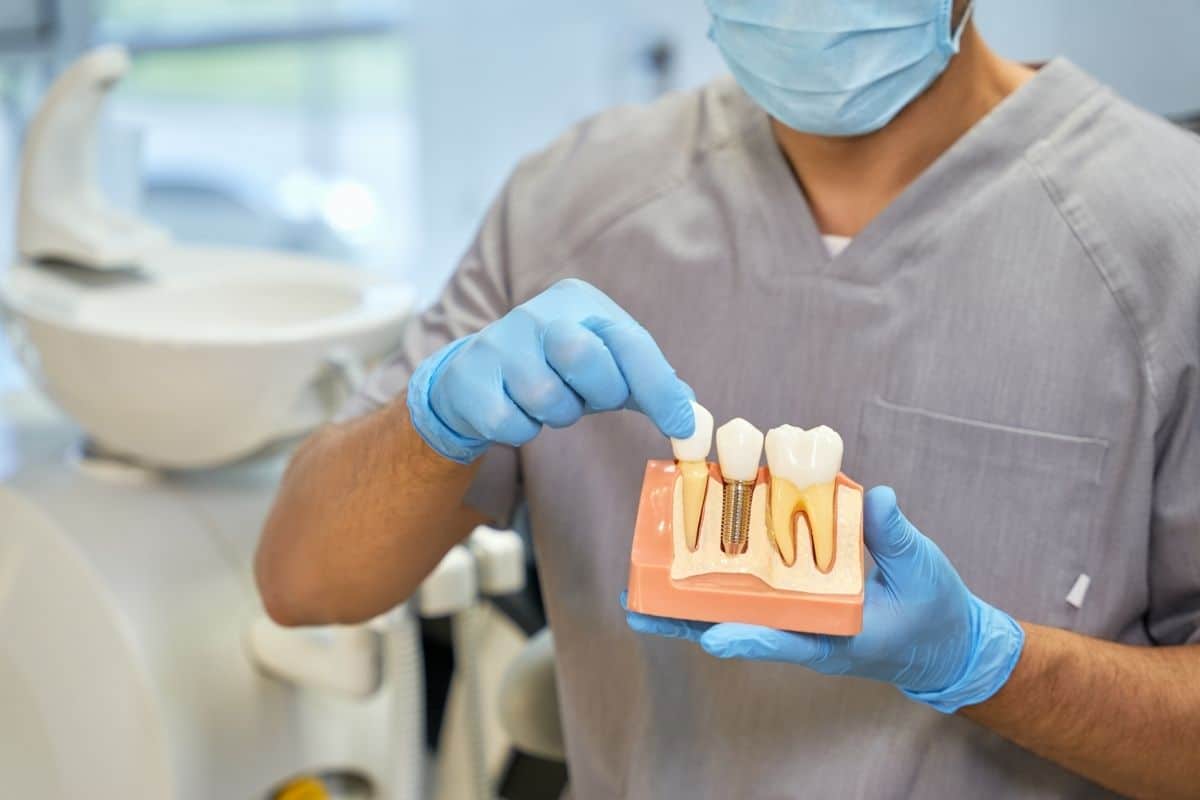
Dental implants are considered one of the most advanced solutions for missing teeth. A small titanium post is placed into the jawbone, acting like a natural tooth root. After healing, a custom crown is attached to restore both appearance and function.
Patients exploring same-day dental implants in Sandy often appreciate the convenience of faster results, depending on their eligibility.
Benefits of choosing dental implants:
- Designed to be a long-term or permanent solution
- Look and feel like natural teeth
- Help preserve jawbone density
- Do not rely on neighboring teeth for support
- High success rate with proper care
Key Differences That Matter to Patients
Longevity and durability
Root canal-treated teeth can last many years, especially with proper care. However, dental implants are often considered a lifetime tooth replacement solution, making them appealing for long-term reliability.
Procedure and healing time
A root canal is quicker and less invasive, with minimal recovery time. Dental implants involve a surgical step and a healing period, though newer techniques can shorten the overall timeline.
Function and comfort
Both options restore your ability to chew and speak comfortably. However, implants often feel closest to natural teeth because they integrate with the jawbone.
How Dentists Help You Decide
The answer is not universal. The right choice depends on several factors, including:
- The extent of tooth damage or infection
- Your overall oral health
- Bone density and gum condition
- Personal preferences and long-term goals
Dentists typically recommend saving the natural tooth whenever possible. But if the tooth cannot be restored predictably, replacing it with an implant may offer better long-term results.
According to the American Dental Association, maintaining oral health through timely treatment is essential for preventing more complex issues later. You can learn more from the American Dental Association.
Common Questions Patients Ask
Is one option more painful than the other?
Both procedures are performed with anesthesia, making them comfortable. Mild soreness afterward is normal and temporary.
Which option looks more natural?
Both can look very natural. However, custom dental crowns used with implants are designed to closely match surrounding teeth.
Can a root canal fail?
While uncommon, reinfection can happen. In such cases, retreatment or replacement with an implant may be needed.
Are implants safe?
Yes, dental implants have a very high success rate and are widely used in restorative dentistry procedures.
Conclusion
Dental implants are a reliable, long-term solution, but understanding the risk periods is key to success. From the initial healing phase to long-term maintenance, every stage plays a role in how well your implant performs. By staying proactive, maintaining good oral hygiene, and recognizing early warning signs, you can significantly reduce the chances of complications.
If you have questions or want personalized guidance, contact us at Canyons Family Dental today. Their team can help you make informed decisions and keep your smile strong and healthy for years to come. Locate us on the map for convenient directions to our office.