
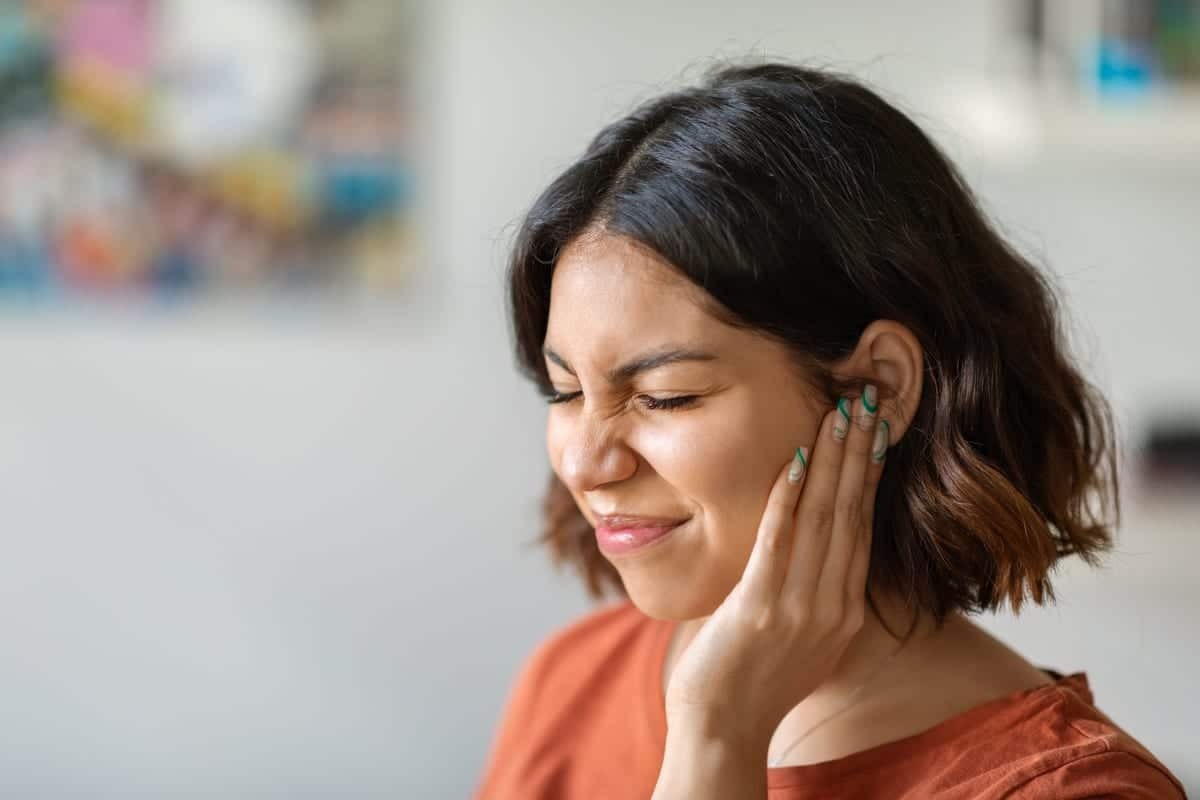
If you’ve been waking up with a sore jaw or clicking sounds when you chew, you’re not alone. Many Sandy, UT residents experience jaw pain without knowing what’s really behind it. Understanding what’s really causing your jaw pain and the 5 hidden TMJ triggers in Sandy can help you take the right steps. At Canyons Family Dental, Dr. Pulin Trivedi helps patients identify and manage temporomandibular joint (TMJ) disorders every day.
The temporomandibular joint connects your jaw to your skull. When it becomes inflamed or strained, it causes a range of uncomfortable symptoms. These can include jaw pain, headaches, ear aches, and difficulty chewing. The good news is that most TMJ issues are treatable once you identify the root cause.
TMJ Disorder: What Is It and Why Does It Matter in Sandy?
TMJ disorder, often called TMD, affects the jaw joint and surrounding muscles. It disrupts everyday activities like eating, speaking, and even sleeping. Sandy residents deal with unique stressors that can make TMJ symptoms worse over time. Recognizing the disorder early makes treatment far more effective.
TMJ disorders range from mild discomfort to chronic, debilitating pain. Some people hear a clicking or popping sound when they open their mouths. Others experience jaw locking or persistent facial tension. Left untreated, TMD can worsen and impact your quality of life significantly.
Common symptoms to watch for include:
- Jaw pain or soreness, especially in the morning
- Clicking, popping, or grinding sounds in the jaw
- Headaches or migraines, especially near the temples
- Ear pain or a feeling of fullness in the ears
- Difficulty opening or closing your mouth fully
- Neck and shoulder tension linked to jaw strain
Trigger 1 and 2: Bruxism and Stress : The Most Common Hidden Culprits
Bruxism or teeth grinding is one of the leading causes of TMJ pain. Many people grind or clench their teeth without even realizing it. This often happens at night during sleep, making it hard to self-diagnose. The repeated pressure damages the jaw joint over time.
Stress is closely tied to bruxism and TMJ disorders. When you’re stressed, your muscles tense up including the muscles around your jaw. Sandy’s busy lifestyle, long commutes, and work pressures all contribute to chronic stress. This tension often manifests directly in the jaw and surrounding areas.
Night guards are one of the most effective tools for managing bruxism. Dr. Pulin Trivedi at Canyons Family Dental custom-fits night guards to protect your teeth and reduce jaw strain. Wearing one consistently can dramatically reduce morning jaw soreness. It also prevents long-term damage to your tooth enamel and joint.
If you suspect stress-related jaw clenching, consider these self-care steps:
- Practice mindful relaxation techniques before bed
- Avoid chewing gum or hard foods during flare-ups
- Apply a warm compress to the jaw to ease muscle tension
- Talk to your dentist about a custom-fitted night guard
Trigger 3: Bite Misalignment : A Sandy TMJ Trigger You Might Overlook
Your bite alignment plays a huge role in jaw health. When your upper and lower teeth don’t meet properly, your jaw compensates. This compensation puts uneven pressure on the TMJ and surrounding muscles. Over time, this leads to inflammation, pain, and joint damage.
Bite misalignment can result from missing teeth, crowded teeth, or poorly fitted dental restorations. Even a slightly off bite can create significant strain. Many patients in Sandy don’t realize their bite is the source of their jaw pain. A thorough dental exam can reveal misalignment issues quickly.
Treating misalignment often involves restorative or orthodontic care. For patients with missing teeth contributing to bite issues, options like Dentures And Bridges Sandy can restore proper jaw function. Correcting the bite reduces undue stress on the TMJ. It also improves chewing efficiency and overall oral health.
Trigger 4: Arthritis in the Jaw Joint
Arthritis isn’t just a condition that affects knees and hips. It can also develop inside the temporomandibular joint itself. Osteoarthritis and rheumatoid arthritis both cause joint deterioration over time. When the TMJ is affected, it results in pain, stiffness, and reduced jaw mobility.
Osteoarthritis is more common in older adults and develops gradually. Rheumatoid arthritis, on the other hand, is an autoimmune condition that can affect any age group. Both types cause inflammation that damages cartilage in the joint. This damage makes simple movements like chewing feel painful and labored.
Managing arthritis-related TMJ pain requires a comprehensive dental and medical approach. Dr. Pulin Trivedi works closely with patients to develop personalized treatment plans. Regular checkups through General Dentistry Sandy help monitor changes in the joint over time. Early intervention slows progression and preserves jaw function.
Trigger 5: Past Jaw Injury : Why Old Trauma Still Hurts Today
A jaw injury even one from years ago can become a hidden TMJ trigger. Sports accidents, car collisions, and falls can all damage the jaw joint. Sometimes the pain doesn’t appear until months or years after the initial injury. The joint may have healed improperly or developed scar tissue that restricts movement.
Previous jaw trauma can also shift the disc inside the TMJ out of position. When the disc is displaced, it causes clicking, locking, and chronic discomfort. Many patients in Sandy don’t connect their current jaw pain to an old injury. A comprehensive dental evaluation helps uncover this connection.
Mouthguards are an excellent preventive tool for athletes who want to protect their jaws. Custom-fitted mouthguards absorb impact and reduce the risk of jaw injuries during contact sports. If you’ve already experienced jaw trauma, protective gear is essential going forward. Dr. Trivedi can fit you with a mouthguard designed specifically for your jaw structure.
How Canyons Family Dental Helps Sandy Patients Find Relief
Understanding the root cause of your jaw pain is the first step toward real relief. Dr. Pulin Trivedi takes a thorough, patient-centered approach to diagnosing TMJ disorders. He evaluates your bite, joint health, and lifestyle factors to build an accurate picture. From there, he creates a treatment plan tailored specifically to your needs.
Treatment options at Canyons Family Dental may include custom night guards, bite adjustments, or restorative dental work. For patients dealing with muscle tension contributing to TMJ symptoms, Botox Therapy is also available. Botox injections relax the jaw muscles and significantly reduce pain and clenching. This treatment is minimally invasive and highly effective for many TMJ patients.
No two TMJ cases are exactly alike. That’s why personalized care makes such a difference in outcomes. Whether your triggers involve stress, misalignment, arthritis, or past injury, there are solutions available. You don’t have to keep living with jaw pain when effective help is just around the corner in Sandy.
If jaw pain is affecting your daily life, don’t wait to seek care. Book Now to schedule your appointment with our team.
Frequently Asked Questions
What are the most common signs of a TMJ disorder?
The most common signs include jaw pain or soreness, clicking or popping sounds when opening the mouth, headaches near the temples, ear pain, and difficulty chewing. Some people also experience jaw locking or tension in the neck and shoulders. If you notice any of these symptoms regularly, a dental evaluation is strongly recommended.
Can stress really cause TMJ jaw pain?
Yes, stress is one of the most significant hidden triggers of TMJ disorders. Stress causes muscle tension throughout the body, including the jaw muscles. This tension often leads to teeth clenching or grinding a condition called bruxism which places excessive pressure on the temporomandibular joint over time.
How does a night guard help with TMJ and bruxism?
A custom-fitted night guard creates a protective barrier between your upper and lower teeth. It prevents grinding and reduces the clenching forces placed on the jaw joint during sleep. Over time, this relieves muscle tension, reduces morning jaw soreness, and helps protect both your teeth and the TMJ from further damage.
Can a missing tooth cause jaw pain?
Yes, a missing tooth can alter your bite alignment, forcing your jaw to shift when you chew. This imbalance places uneven stress on the TMJ and surrounding muscles. Restorative options such as dental bridges or dentures can restore proper bite function and reduce jaw strain caused by tooth loss.
Is TMJ jaw pain permanent?
In most cases, TMJ pain is manageable and treatable it does not have to be permanent. The outcome depends largely on identifying the underlying cause and addressing it promptly. With proper treatment such as night guards, bite correction, or Botox Therapy, many patients experience significant and lasting relief from their TMJ symptoms.