
Missing teeth can affect more than just your smile—they can interfere with chewing, speech, and overall confidence. When people explore tooth replacement options, they often wonder: Can one dental implant support two teeth? The answer is yes—a single implant can support more than one tooth under certain conditions. This modern solution provides strength and aesthetics, making it a popular option among patients and dental professionals.
Let’s explore when and how one implant can support two teeth and what you need to know before deciding.
Understanding Dental Implants: The Basics
A dental implant is a small titanium post that a dentist or oral surgeon surgically places into your jawbone. Over time, this post fuses with the bone in osseointegration, creating a strong foundation for a replacement tooth or teeth.
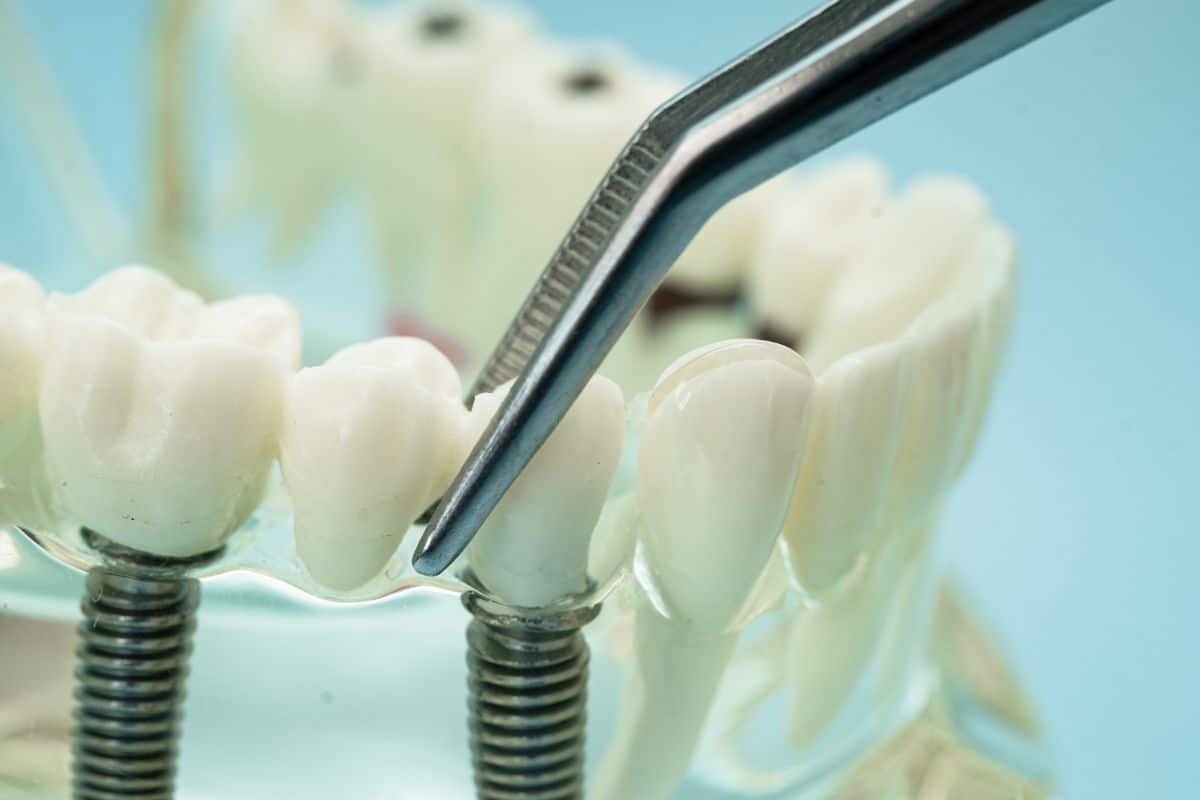
Typically, one implant supports one crown. However, in certain cases, one implant can support a bridge that includes two or more teeth, especially when adjacent teeth are missing.
When Can One Dental Implant Support Two Teeth?
One implant can support two teeth only when those teeth are side-by-side and adequate bone structure is available. Dentists may use an implant-supported bridge, where the implant is placed at one end, and the adjacent false tooth (pontic) is connected and supported by that implant.
For example, if you’re missing two teeth side by side and the jawbone structure is strong, your dentist might suggest placing one implant and attaching a two-tooth bridge. This approach can reduce treatment time and cost while offering lasting results.
Patients often explore this option during a dental implant procedure consultation, especially when they seek less invasive treatments for adjacent missing teeth.
Advantages of One Implant Supporting Two Teeth
There are several benefits to this approach:
- Minimally invasive: Fewer implants mean fewer surgical procedures.
- Cost-effective: You only need one implant instead of two.
- Preserves bone and tissue: Implant placement prevents bone loss while minimizing trauma to surrounding gums and tissues.
- Restores function: Eat, speak, and smile with confidence, just like with natural teeth.
Limitations and Candidacy
While the concept sounds appealing, not everyone qualifies. Several factors determine if one implant can support two teeth:
- Bone density and volume: The implant could fail over time without enough bone support.
- Tooth location: Front teeth, due to their cosmetic importance, may require individual implants for ideal aesthetics.
- Bite force and alignment: If you grind your teeth or have an unbalanced bite, your dentist may recommend separate implants.
A thorough evaluation, including digital X-rays and possibly a 3D scan, helps determine your unique case’s best course of action.
How the Procedure Works
Once the dentist confirms you’re a good candidate, the procedure begins with placing the implant into the jawbone. After healing (usually several months), the implant is topped with a custom-designed bridge that looks and feels like natural teeth. Your dentist ensures that the new restoration blends seamlessly with your surrounding smile.
Proper care, including brushing, flossing, and regular dental checkups, ensures the longevity of your implants and prosthetic teeth.
Trust an Experienced Implant Dentist
It’s crucial to choose a provider who has experience with implant-supported restorations. Dentists with advanced training in implantology will consider every detail—from bite alignment to bone quality—to deliver long-term, natural-looking results.
Be sure to ask your provider about their experience, look at patient reviews, and request before-and-after photos of similar cases.
Schedule Your Dental Implants Consultation Today
If you’re missing two teeth and want to explore whether a single dental implant can support both, we invite you to schedule a dental implant consultation with our experienced team. We’ll provide a personalized treatment plan based on your oral health, goals, and lifestyle.