Missing teeth affect more than just your smile; they can influence your confidence, oral health, and even the strength of your jaw. Bone loss is a common concern, and it can make some patients wonder if dental implants are still an option.
Fortunately, modern techniques make it possible for many people with reduced bone density to receive dental implants successfully. Skilled implant dentists in Sandy can assess your situation and recommend solutions that restore both the look and function of your teeth.
In this guide, we’ll break down why bone loss happens, explore available treatment options, and explain how today’s implant technology can help you regain a healthy, fully functional smile.
Why Does Bone Loss Happen After Tooth Loss?
Your jawbone depends on stimulation from natural tooth roots to stay strong. Every time you chew, pressure travels through the roots, keeping the bone active. When a tooth is lost, that stimulation disappears. Over time, the bone begins to shrink, a process known as bone resorption.
Common causes of jawbone deterioration include:
- Untreated missing teeth
- Advanced gum disease (periodontitis)
- Trauma or injury
- Long-term denture use without root replacement
Can You Get Implants with Bone Loss?
Yes, in many cases you can. Modern tooth replacement options are designed to adapt to varying levels of bone density. The key is a comprehensive evaluation that may include 3D imaging and a personalized treatment plan.
Patients in Sandy, Draper, Midvale, and South Jordan often assume dentures are their only choice. But today’s specialized procedures frequently make fixed restorations achievable even when bone volume is limited.
Bone Grafting: Rebuilding the Foundation
One of the most common solutions for insufficient bone is bone grafting.
What is bone grafting?
It’s a procedure where natural or synthetic material is added to areas of bone loss. Over time, your body integrates the material, creating a stronger, thicker jawbone.
Benefits of bone grafting:
- Restores lost bone volume
- Improves candidacy for endosteal implants
- Creates a stable base for long-term success
Although healing takes several months, the result is a durable foundation that supports a natural-looking implant-supported crown or bridge.
All-on-4® Full Arch Implants
For patients missing most or all of their teeth, All-on-4 dental implants offer an efficient alternative. This technique uses four strategically placed implants to support a full arch of prosthetic teeth.
Why it works for bone loss:
- Implants are angled to use the densest parts of the jaw
- Often eliminates the need for extensive grafting
- Provides immediate temporary teeth in many cases
This approach is ideal for patients ready to transition from removable dentures to a fixed, secure solution.
Zygomatic Implants for Severe Upper Jaw Bone Loss
When bone loss in the upper jaw is significant, zygomatic dental implants may be recommended. Unlike traditional implants placed in the jawbone, these longer implants anchor into the cheekbone (zygoma), which is naturally denser.
Advantages include:
- Avoiding major bone graft procedures
- Strong anchorage in stable bone
- Faster overall treatment timeline in some cases
This option is typically reserved for advanced situations and requires a highly skilled Implant specialist in Sandy who is trained in complex surgical procedures.
Mini Dental Implants
For patients with mild to moderate bone loss, mini dental implants can sometimes be used. These narrower implants require less bone structure and are commonly used to stabilize implant-supported dentures.
They are:
- Less invasive
- Quicker to place
- Often more affordable
While not suitable for every case, mini implants can offer a practical solution for certain patients seeking enhanced denture stability.
Implants vs. Dentures: What’s the Difference?
While traditional dentures remain an option, they do not stimulate the jawbone. As a result, bone loss continues over time.
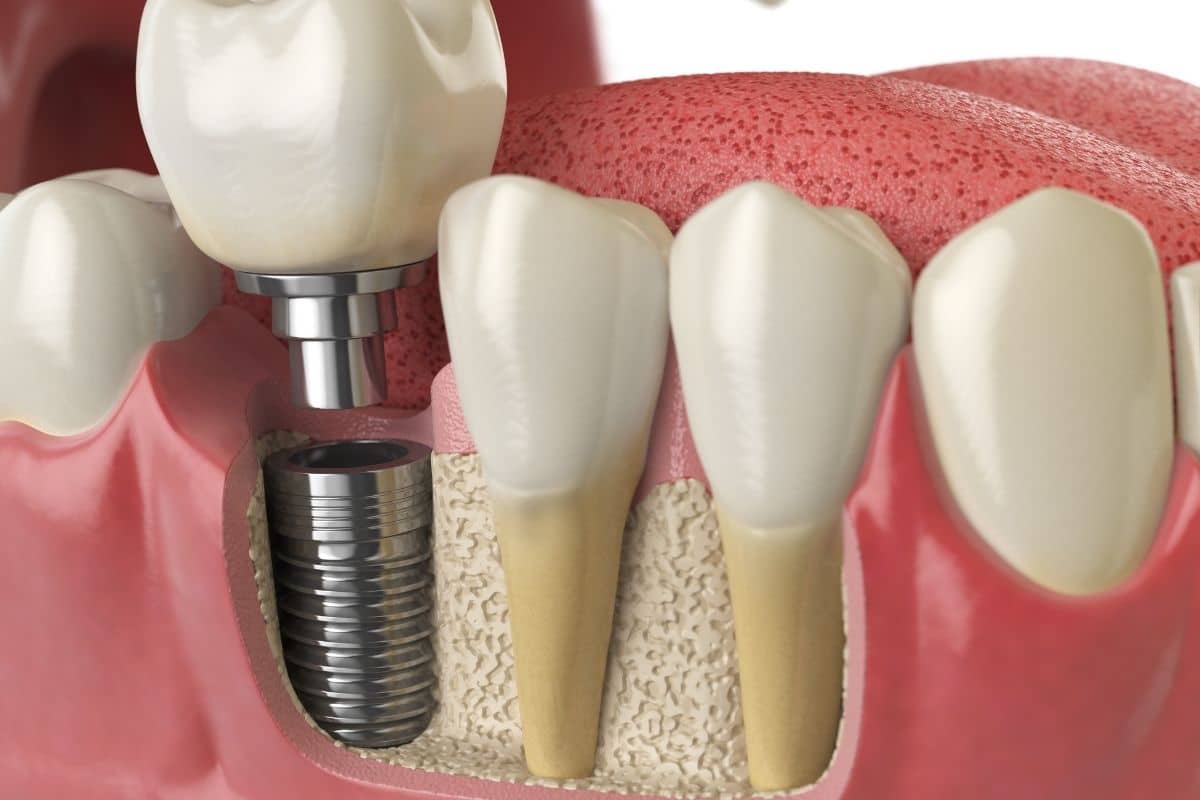
In contrast, the process where implants fuse with the jawbone helps maintain bone density. This is why implants for bone loss are considered the gold standard for long-term oral health.
Key benefits of implants:
- Prevent further bone deterioration
- Preserve facial structure
- Improve chewing efficiency
- Offer a natural look and feel
- Provide long-lasting durability
Choosing the Right Treatment Plan
No two smiles are alike. The right approach depends on:
- The amount and location of bone loss
- Overall health and lifestyle
- Budget considerations
- Personal goals for comfort and aesthetics
A detailed consultation with digital imaging allows your dental team to recommend the safest and most effective restorative dentistry solution tailored to your needs.
When you work with an experienced provider who understands the complexities of advanced implant procedures, you gain access to options you may not have realized were possible.
Conclusion
Bone loss doesn’t automatically disqualify you from getting dental implants. Thanks to modern techniques like bone grafting, All-on-4®, mini implants, and zygomatic implants, there are more solutions than ever before. The key is seeking expert guidance early to prevent further deterioration and protect your oral health.
If you’re in Sandy or nearby areas and want to explore your options, the team at Canyons Family Dental is here to help. Contact us today to schedule your appointment and discover which implant solution is right for you. Visit us to take the first step toward restoring your confident, healthy smile.
FAQs
1. Can I get dental implants if I’ve been missing teeth for years?
Yes. Even long-term tooth loss can often be treated with options like bone grafting or All-on-4 implants. A consultation and imaging scan will determine the best approach.
2. How long does bone grafting take before implants can be placed?
Healing typically takes several months, depending on the extent of bone loss and your body’s natural healing response.
3. Are dental implants painful?
Most patients report minimal discomfort. The procedure is performed under local anesthesia, and recovery is generally manageable with prescribed or over-the-counter pain relief.