
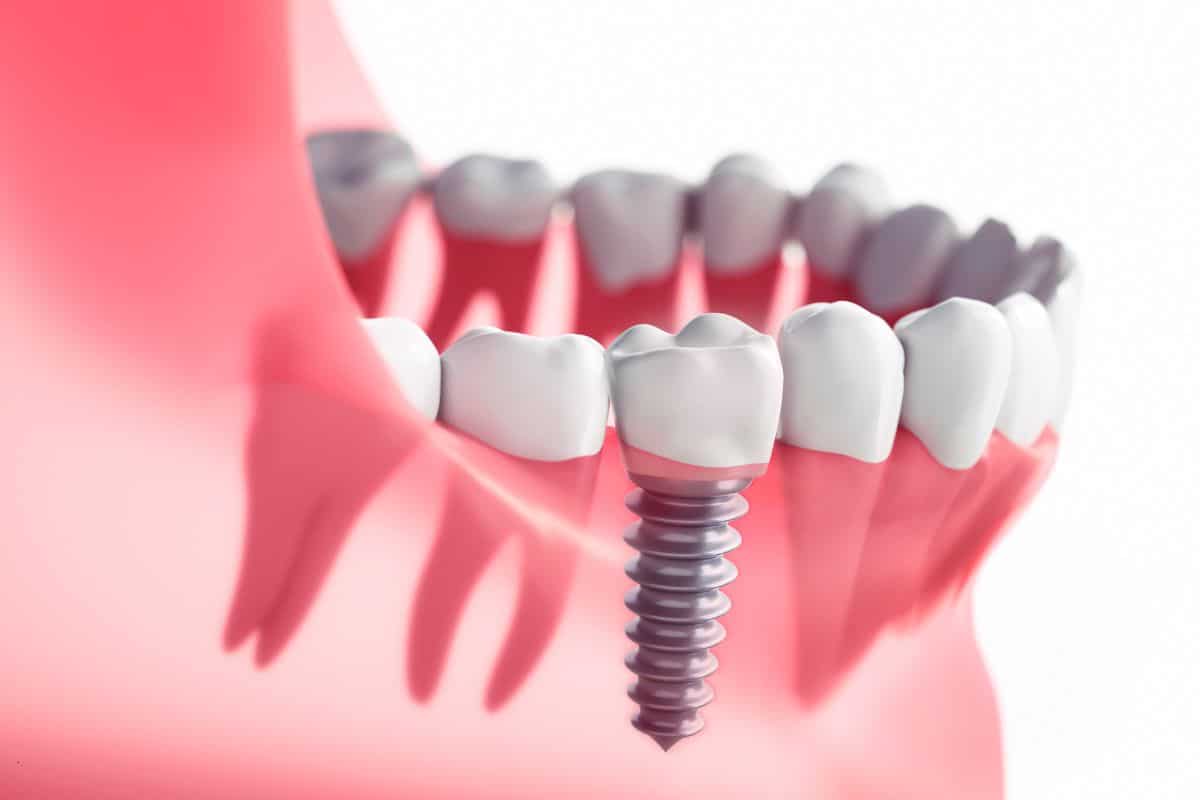
Tooth loss can be a major blow to your confidence and oral health. While dentures and bridges have been the traditional solutions, dental implants offer a more permanent and natural-looking alternative. But are implants right for you? Let’s examine the benefits and drawbacks so you can decide with knowledge.
Advantages of Dental Implants
- Enhanced Functionality and Confidence
Dental implants are the closest thing you’ll get to natural teeth. Unlike dentures that can slip or bridges that require shaving down healthy teeth, implants fuse with your jawbone, providing a stable and secure foundation. This translates to better chewing ability, improved speech, and the freedom to enjoy your favorite foods without worry.
- Long-Term Durability
Implants are built to last. They can last for decades, even a lifetime, if given the right care. This eliminates the need for repeated replacements like you might experience with dentures or bridges, saving you money in the long run.
- Improved Oral Health
Dental implants don’t put stress on surrounding teeth like bridges do. This helps prevent future tooth decay and gum disease, promoting better oral health. Additionally, implants stimulate the jawbone, preventing the bone loss that often occurs after tooth extraction.
- Natural-Looking Aesthetics
The appearance and feel of dental implants are intended to resemble that of real teeth. The crowns attached to the implants are custom-made to perfectly blend in with your smile, giving you a natural and aesthetically pleasing appearance.
Disadvantages of Dental Implants
- Higher Cost
Dental implants are a significant investment compared to dentures or bridges. The procedure requires surgical expertise and high-quality materials, driving up the cost. However, consider this an investment in your long-term oral health and overall well-being.
- Multi-Step Process
Placing dental implants is a multi-step process that can take several months to complete. It involves surgery to place the implant, a healing period for the jawbone to fuse with the implant, and then the attachment of the final restoration (crown, bridge, or denture).
- Surgical Risks
Like any surgery, dental implant placement carries some risks, such as infection, bleeding, and nerve damage. However, by selecting a licensed and skilled dentist, these risks are reduced.
- Not Suitable for Everyone
Dental implants require a sufficient healthy jawbone for successful placement. Patients with gum disease or significant bone loss may require additional procedures before implants can be considered.
Considering Dental Implants? Consult a Professional Dentist
For individuals looking for a long-lasting and aesthetically pleasing tooth replacement, dental implants provide a game-changing option. However, the decision ultimately depends on your needs, budget, and oral health. Schedule a consultation with a qualified dentist who can assess your situation and discuss if implants are the right option for you.