
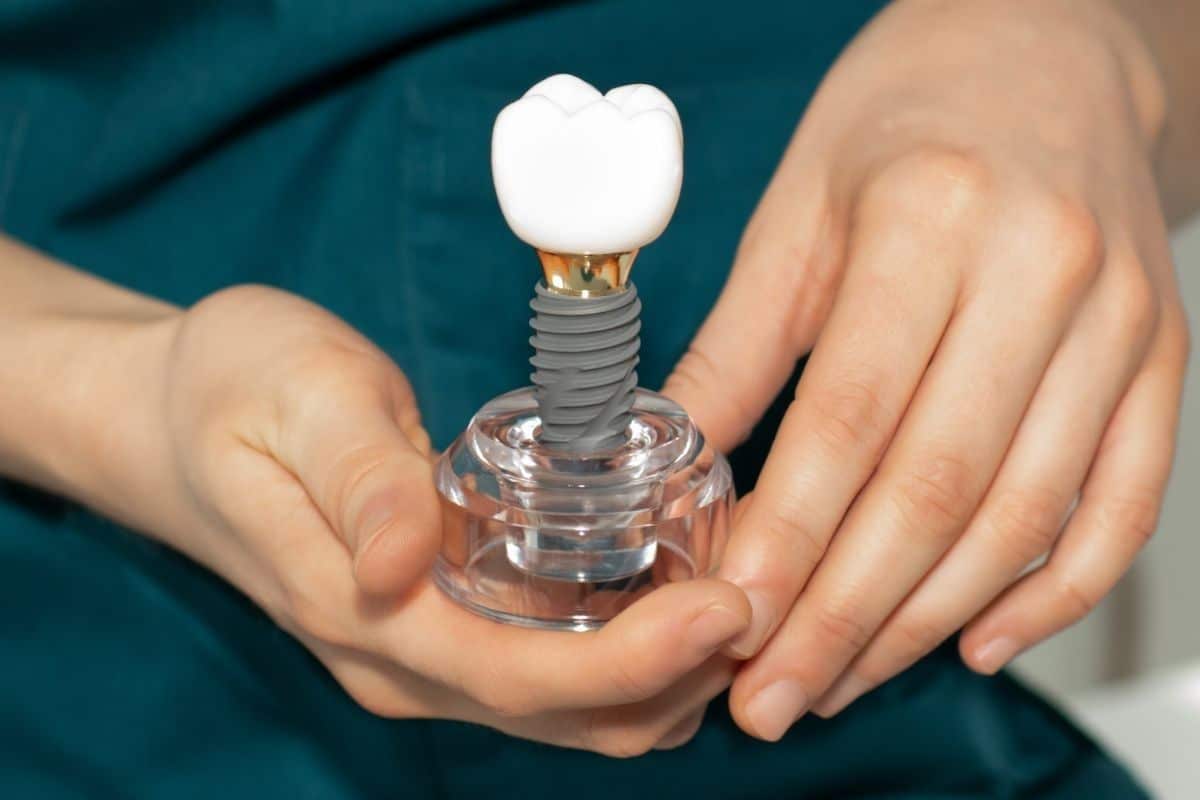
When you visit a dentist in Sandy or nearby communities, you might expect that removing a painful tooth is the quickest fix. However, modern dentistry focuses on preserving your natural smile whenever possible. Even with advanced options for permanent tooth replacement, dentists often recommend saving your original teeth instead. Why? Because your natural teeth are uniquely designed for strength, function, and long-term oral health. Understanding this approach can help you make confident, informed decisions about your dental care.
Your Natural Teeth Are Built to Last
Your teeth are stronger than you might think. The outer layer, enamel, is the hardest substance in your body, stronger than bone. Natural teeth are specifically designed to handle daily chewing forces, maintain alignment, and support overall oral health.
While restorations like dental crowns, fillings, and root canal therapy can repair damage, nothing fully replicates the natural structure of your original tooth. That’s why dentists aim to preserve it whenever possible.
What Happens When a Tooth Is Removed?
It may seem like removing a problematic tooth solves the issue instantly, but it can lead to several long-term concerns:
- Shifting teeth: Neighboring teeth may move into the space, causing misalignment
- Bite problems: Changes in your bite can affect chewing and jaw comfort
- Bone loss: The jawbone in that area can shrink over time without stimulation
- More procedures: Tooth replacement options like bridges or implants may be needed
Saving your natural tooth helps prevent these complications and maintains your smile’s stability.
Common Ways Dentists Save Teeth
Dentists have several effective treatments to restore damaged teeth and avoid extraction:
Repairing Minor to Moderate Damage
For small areas of decay, tooth-colored fillings are often enough to restore strength and function. These blend naturally with your smile and prevent further damage.
Strengthening Weakened Teeth
When a tooth has significant structural loss, a dental crown can cover and protect it. Crowns restore shape, durability, and appearance, allowing you to chew comfortably again.
Treating Infection at the Source
If decay or infection reaches the inner pulp, root canal therapy can remove the infected tissue and seal the tooth. This procedure relieves pain while preserving the natural tooth structure.
These treatments are often less invasive and more cost-effective than replacing a missing tooth later.
When Is Tooth Extraction Necessary?
While saving teeth is the priority, there are situations where removal is the better option:
- Severe decay that has destroyed too much of the tooth
- Advanced gum disease is causing significant bone loss
- Cracks extending below the gumline or into the root
- Overcrowding requiring orthodontic correction
- Trauma or injury beyond repair
Dentists evaluate each case carefully, considering long-term stability rather than just short-term fixes.
Why Early Treatment Makes a Big Difference
One of the most important factors in saving a tooth is timing. Addressing dental problems early can prevent more complex procedures later.
Ignoring symptoms like sensitivity, pain, or swelling can lead to:
- Infection spreading deeper into the tooth
- Increased risk of tooth loss
- More extensive and costly treatments
Regular dental checkups and early intervention improve the chances of preserving your natural teeth.
The Role of Tooth Replacement Options
When a tooth is beyond saving, replacing it becomes essential to uphold oral health. Options like bridges, dentures, and implants can restore function and appearance.
For example, patients considering dental implants in Sandy often do so after tooth loss. While implants are highly effective, they involve surgery, healing time, and additional costs, another reason dentists prefer saving natural teeth first whenever possible.
Questions Dentists Consider Before Recommending Extraction
Dentists don’t make extraction decisions lightly. They evaluate several factors, including:
- How much healthy tooth structure remains
- The condition of the surrounding bone and gums
- The extent of infection or damage
- Long-term prognosis of the tooth
- Your overall oral health and habits
The goal is always to choose the option that provides the best long-term outcome for your smile.
How to Protect Your Natural Teeth
Keeping your natural teeth healthy reduces the need for major dental procedures. Here are some simple yet effective tips:
- Brush and floss daily
- Visit your dentist regularly for checkups
- Address dental issues early
- Wear a mouthguard if you grind your teeth
- Maintain a balanced diet low in sugary foods
You can also explore additional oral health tips from trusted sources like the American Dental Association, which provides evidence-based guidance for maintaining a healthy smile.
Conclusion
Saving your natural teeth is almost always the best first option for maintaining long-term oral health, comfort, and confidence. While modern dentistry offers excellent replacement solutions, nothing truly replaces the strength and function of your original teeth. If you’re experiencing tooth pain or damage, seeking timely care can make all the difference. At Canyon Family Dental, the focus is always on preserving your smile whenever possible while guiding you through the best options for your unique needs. If you have concerns If you have a damaged tooth, don’t wait. Contact us today for schedule to explore your treatment options and protect your smile for years to come.