
Losing a tooth whether from an accident, decay, or gum disease can affect far more than your appearance. It can shake your confidence, change the way you speak, and even alter how you eat. For many people in Sandy and the surrounding communities, finding a reliable, long-term solution to tooth loss is a top priority.
Dental implants have become one of the most trusted and effective ways to replace missing teeth. Unlike removable dentures or traditional bridges, implants are designed to look, feel, and function like your natural teeth. If you have been living with tooth loss and are wondering whether implants could work for you, this guide covers everything you need to know.
At Canyons Family Dental Sandy, we are committed to helping patients rediscover the full power of their smile and dental implants are one of the most transformative tools we offer.
What Are Dental Implants?
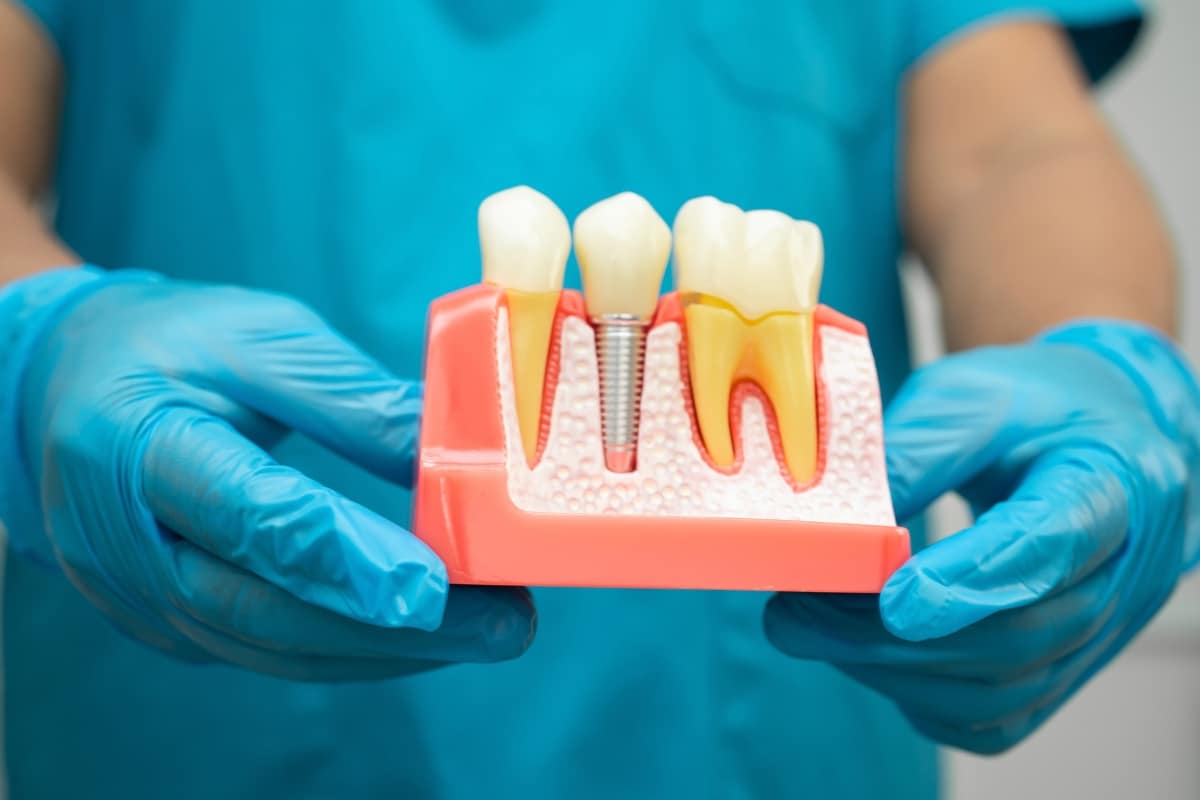
A dental implant is a small titanium post that is surgically placed into your jawbone to act as an artificial tooth root. Once it integrates with the bone a process called osseointegration a custom-made crown, bridge, or denture is attached on top to complete your smile.
The result is a restoration that closely mimics the structure of a natural tooth, both above and below the gumline. Because they fuse directly with the jawbone, dental implants offer stability and durability that other tooth replacement methods simply cannot match.
Here is what makes dental implants unique compared to other options:
- Permanent anchoring: Implants stay securely in place without slipping or shifting while eating or speaking.
- Bone preservation: The titanium implant post stimulates the jawbone and helps reduce bone loss.
- Natural appearance: Implant crowns are designed to blend naturally with the surrounding teeth.
- Long-lasting results: With proper oral hygiene and regular dental care, dental implants can last for many years and potentially a lifetime.
Dental implants can replace a single tooth, multiple teeth, or even support a full arch of teeth when used with implant-supported dentures.
Who May Be a Candidate for Dental Implants?
Most adults who are in reasonably good health and have experienced tooth loss may be candidates for dental implants. However, a thorough evaluation is always needed before moving forward, because individual factors can affect the outcome.
Tooth Loss and Jawbone Health
One of the most important factors in determining implant candidacy is the condition of your jawbone. When a tooth is lost, the jawbone beneath it can gradually shrink a process called bone resorption because it no longer receives stimulation from the tooth root.
A sufficient volume and density of bone is needed to support the implant post. If significant bone loss has already occurred, a bone grafting procedure may be recommended first to rebuild the foundation. This is a common and well-established step that many patients undergo before implant placement.
Oral Health and Gum Condition
Healthy gums are equally important. Active gum disease (periodontitis) can compromise the success of an implant if left untreated. Before proceeding, your dentist will assess your gum health and may recommend treatment to bring any infection under control.
Other factors that your provider at Canyons Family Dental Sandy will consider include:
- Whether you are a smoker (smoking can slow healing and affect implant success)
- Certain medical conditions such as uncontrolled diabetes
- Medications that may affect bone healing
- Whether you are still growing (implants are typically not recommended for adolescents)
The best way to find out if you are a candidate is to schedule a consultation and let an experienced dental team evaluate your specific situation.
What Is the Dental Implant Process?
Understanding what to expect can make the entire experience far less intimidating. The dental implant process typically unfolds in several stages, each designed to ensure the best possible outcome.
Initial Consultation and Planning
Your journey begins with a comprehensive examination. Your dentist will take X-rays or 3D cone beam scans to assess your bone structure, review your medical and dental history, and discuss your goals.
This planning stage is critical. A personalized treatment plan is developed to map out each step including whether any preparatory work, such as a tooth extraction or bone graft, is needed before implant placement can begin.
Implant Placement
Once your mouth is ready, the titanium implant post is surgically placed into the jawbone under local anesthesia. The procedure is generally well-tolerated, and many patients report that the discomfort afterward is manageable with over-the-counter pain relief.
A temporary crown or cover may be placed over the site while you heal.
Healing and Osseointegration
This is where the real magic happens. Over the next several months, the titanium post gradually fuses with the surrounding jawbone a biological process called osseointegration. This creates a stable, permanent anchor for your new tooth.
During this healing period, it is important to follow your dentist’s aftercare instructions and avoid putting excessive pressure on the implant site.
Attaching the Dental Restoration
Once osseointegration is complete, a small connector piece called an abutment is attached to the implant post. Your custom-made crown, bridge, or denture is then secured to the abutment, completing your smile.
The restoration is carefully designed to match the color, shape, and size of your surrounding teeth so the result looks and feels completely natural.
How Long Do Dental Implants Take?
The total timeline for dental implants varies from patient to patient, but it is important to set realistic expectations. From the initial consultation to the final placement of your restoration, the process typically spans three to nine months and in some cases, longer if bone grafting is required.
Here is a general breakdown:
- Consultation and planning: 1–2 appointments over a few weeks
- Any preparatory procedures (e.g., bone graft): healing can take 3–6 months
- Implant placement surgery: a single appointment
- Osseointegration (healing): typically 3–6 months
- Abutment and crown placement: 1–2 appointments
While this timeline may seem lengthy, it is important to remember that dental implants are a long-term investment. The careful, staged approach is what gives them their remarkable durability and natural function. Many patients feel the wait is absolutely worth it.
How Should You Care for Dental Implants?
One of the most appealing aspects of dental implants is how straightforward they are to maintain. Unlike dentures that require special soaking solutions or bridges that demand careful flossing techniques, implants can largely be cared for just like natural teeth.
Here are the key habits to keep your implants in excellent condition:
- Brush twice daily with a soft-bristled toothbrush and non-abrasive toothpaste
- Floss daily around the implant and under the crown using regular floss or an interdental brush
- Rinse with an antimicrobial mouthwash to help prevent infection around the implant site
- Attend regular dental checkups at Canyons Family Dental Sandy typically every six months
- Avoid chewing very hard foods (like ice or hard candy) that could damage the crown
- Quit smoking if applicable, as tobacco use can affect the long-term health of your implant
With consistent care, dental implants can serve you well for decades and in many cases, for a lifetime. Your dentist will also monitor the health of the implant and surrounding tissue at each visit to catch any concerns early.
Dental Implants vs. Other Tooth Replacement Options
If you are exploring your options after tooth loss, you have likely come across several alternatives. Here is how dental implants compare to the two most common options:
Dental Implants vs. Dentures: Traditional dentures are removable appliances that rest on the gums. While they are a more affordable upfront option, they can slip, cause discomfort, and require adhesive products. Over time, dentures may also need to be relined or replaced as the jawbone continues to change shape. Dental implants, by contrast, are fixed in place and help preserve the jawbone, maintaining your facial structure over the years.
Dental Implants vs. Dental Bridges: A traditional bridge uses the two teeth on either side of the gap as anchors, which requires those healthy teeth to be filed down. Bridges also do not address bone loss beneath the gap. Dental implants stand on their own without affecting neighboring teeth and actively stimulate the bone to keep it healthy.
For patients who are good candidates, dental implants typically offer the most functional, natural-looking, and durable long-term solution. However, every patient’s situation is unique, and your dentist will help you weigh the pros and cons based on your individual needs and goals.
When Should You Talk to a Dentist About Missing Teeth?
The short answer: sooner rather than later. Many people put off seeking treatment for missing teeth whether due to cost concerns, anxiety, or simply not knowing what options are available. However, waiting can make things more complicated over time.
Here is why early action matters:
- Bone loss begins quickly. The jawbone can start to shrink within months of losing a tooth, potentially reducing your eligibility for implants without a bone graft.
- Neighboring teeth can shift. Gaps in your smile allow surrounding teeth to drift out of alignment, creating bite problems and additional dental concerns.
- Overall oral health is affected. Missing teeth can make chewing difficult, which may impact your nutrition, and can increase the risk of decay in adjacent teeth.
If you have recently lost a tooth or have been living with tooth loss for some time do not hesitate to reach out. The team at Canyons Family Dental Sandy is here to listen, answer your questions, and help you find the right path forward. Schedule your appointment today and take the first step toward restoring your smile.
Questions Patients Often Ask About Dental Implants
Are dental implants painful?
Most patients are surprised by how comfortable the procedure is. The implant is placed under local anesthesia, so you should not feel pain during the surgery itself. Mild soreness and swelling in the days afterward are normal and typically manageable with over-the-counter pain relievers. Your care team will provide clear aftercare guidance.
How much do dental implants cost?
The cost of dental implants varies depending on factors such as how many teeth need to be replaced, whether preparatory procedures like bone grafting are needed, and your specific treatment plan. Many patients find that, when spread over the lifespan of the implant, the long-term value outweighs the upfront cost. Financing options are often available ask the team at Canyons Family Dental Sandy about what is available to you.
Do dental implants look natural?
Absolutely. The crown placed on top of the implant is custom-crafted to match the color, shape, and size of your natural teeth. Most people including those close to you will not be able to tell the difference.
Can dental implants fail?
While dental implant success rates are high often cited above 95% over ten years implant failure can occasionally occur. Risk factors include smoking, uncontrolled systemic conditions, poor oral hygiene, and insufficient bone volume. Following your dentist’s guidance and maintaining good oral health dramatically improves the likelihood of long-term success.
Am I too old for dental implants?
Age alone is rarely a barrier to dental implants. Many patients in their 60s, 70s, and beyond have successfully received implants. What matters most is your overall health and the condition of your jawbone, not your age. A thorough consultation will give you a clear picture of your options.
Restore Your Smile With Confidence
Tooth loss does not have to be permanent. Dental implants offer a proven, long-lasting solution that goes beyond filling a gap they restore the structure, function, and appearance of your natural smile while protecting your jawbone for the future.
At Canyons Family Dental Sandy, our experienced team takes a thorough, patient-centered approach to implant care. From your very first consultation to the moment your new smile is complete, we are with you every step of the way.
Serving Sandy and the surrounding communities, we are proud to offer state-of-the-art dental implant solutions in a welcoming, comfortable environment.
Ready to take the next step? Schedule your appointment today with Canyons Family Dental Sandy and find out whether dental implants are the right choice for you. Your new smile is closer than you think.