
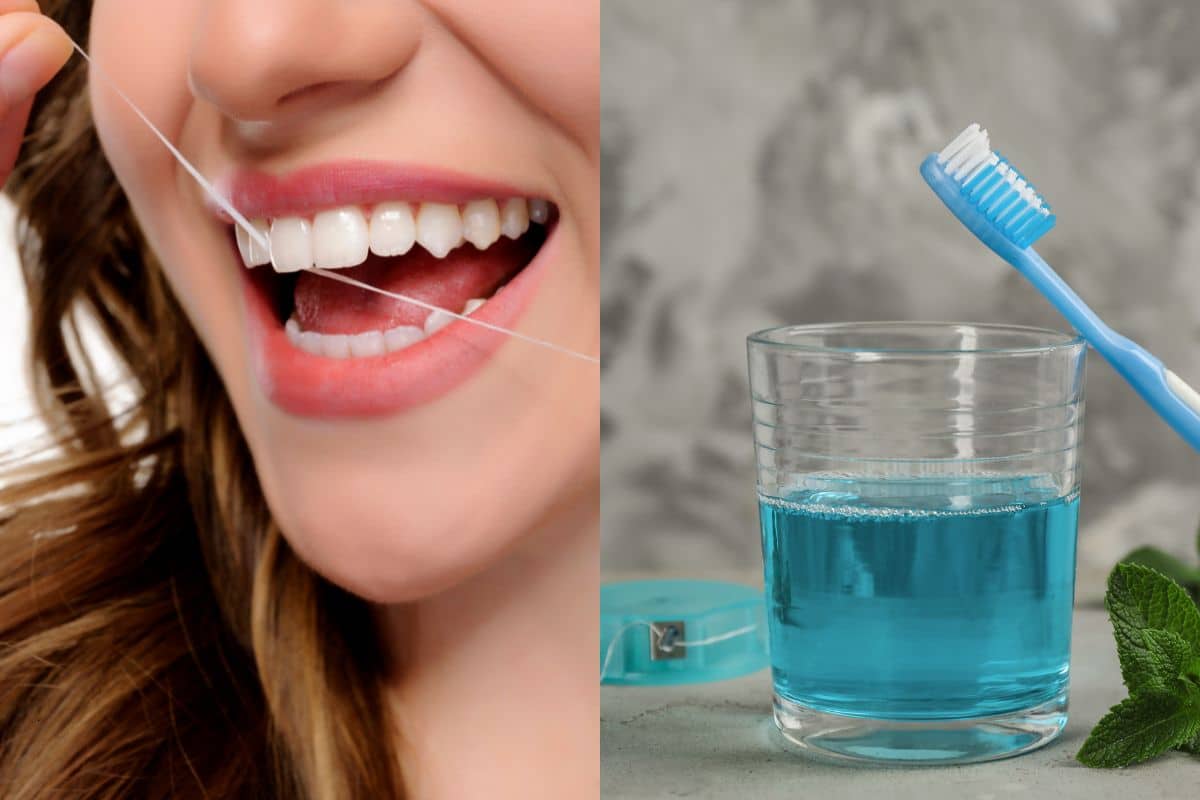
Flossing is vital in protecting your gums and maintaining overall oral health. But as dental technology advances, many people wonder: Should you stick to traditional flossing or switch to a water flosser? Both have benefits, but understanding how they affect your gum health and how to use them correctly can help you make an informed choice.
Understanding the Basics: Traditional Floss vs. Water Flossers
Traditional dental floss removes Plaque and food debris between teeth using a thin thread. When flossing correctly, you can access areas that your toothbrush cannot. However, many people make common mistakes, like snapping the floss into the gums or skipping teeth, which can lead to irritation, bleeding, and even gum recession.
Water flossers efficiently clean the gaps between teeth and along the gum line using a pressurized water spray. This method feels gentler and often encourages people to floss more consistently. If you’re searching for a dentist near Sandy, many modern practices recommend water flossers, especially for patients with braces, crowns, or dental implants.
Which Method Is More Effective for Gum Health?
Research shows both methods can significantly improve gum health when used correctly. However, water flossing may offer a slight advantage in reducing gum bleeding and inflammation. According to a study published in The Journal of Clinical Dentistry, people who used a water flosser along with manual brushing experienced up to 93% better reduction in bleeding gums than those who used string floss and brushing alone.
Despite this, people achieve excellent results with traditional floss when they use it correctly. Many dental professionals still recommend it, especially for patients with tight teeth where water flossers may not reach as effectively.
Common Flossing Mistakes You Should Avoid
Whether you prefer string or water flossing, technique matters. Common flossing mistakes include:
- Not flossing daily
- Flossing too aggressively
- Skipping the gumline
- Using the same section of floss for the entire mouth
All of these errors can reduce effectiveness and harm your gums. Always follow proper technique or consult your dentist for a demonstration.
Environmental Considerations
Considering the environmental impact when choosing between these options is also worth considering. Traditional floss typically uses nylon, which doesn’t decompose easily, and is designed for single use. It often ends up in landfills. Water flossers use electricity but feature reusable components and replaceable tips, which can reduce overall waste in the long run. For eco-conscious users, this difference may influence your decision.
Exploring Newer Flossing Technologies
Floss picks and interdental brushes have grown in popularity. Floss picks offer convenience but can still cause damage if misused. Interdental brushes are particularly effective for people with larger spaces between teeth or dental work like bridges. While these tools can supplement your routine, they shouldn’t completely replace regular flossing or water flossing unless recommended by your dentist.
Gum Health and Your Overall Wellness
Maintaining healthy gums is not just about preventing tooth loss—it affects your entire body. Poor gum health can increase the risk of serious health issues like heart disease, diabetes, and respiratory infections. The American Academy of Periodontology reports that nearly half of U.S. adults over 30 show signs of gum disease. That’s a statistic worth acting on.
So, Which Should You Choose?
If you floss correctly and consistently, both methods will serve you well. Water flossers offer extra comfort and convenience, especially if you struggle with traditional floss. On the other hand, string floss is practical, accessible, and travel-friendly. Your choice might be personal preference, dental needs, and lifestyle.
Ready to Take the Next Step?
Take control of your gum health today! Schedule an appointment with your local dental expert to find the best flossing method. Proper flossing is essential for maintaining healthy gums and preventing dental issues. Your dentist can guide you on the most effective technique tailored to your needs, ensuring your smile stays bright and your overall health stays on track. Don’t wait—prioritize your gum health and give your smile the care it deserves.