
When researching dental implants in Sandy, one of the most common questions people ask is how long they actually last. Dental implants are widely known for their durability and natural feel, but their lifespan depends on several important factors. For patients living in Sandy and the surrounding areas, understanding what affects implant longevity can help set realistic expectations and lead to better long-term results. This article explains how dental implants are designed to last, what influences their lifespan, and what patients can do to protect their investment over time.
How Dental Implants Are Built for Long-Term Use
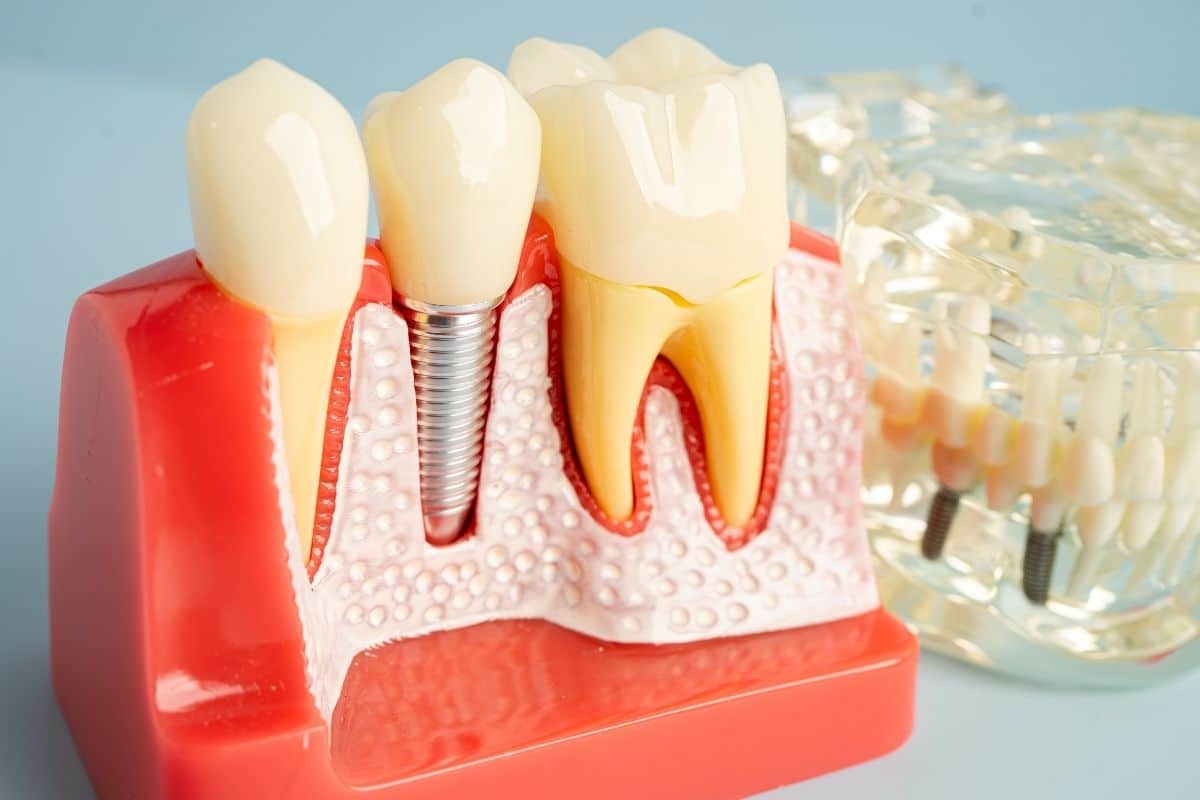
Dental implants are designed to replace missing teeth from the root up. Unlike traditional restorations, implants are placed directly into the jawbone, where they act as an artificial tooth root. Over time, the implant integrates with the bone through a natural healing process, creating a strong and stable foundation.
This structure allows implants to support crowns, bridges, or dentures while maintaining jawbone health. Because of this design, implants are often considered the most reliable option for tooth replacement in Sandy patients who want a solution that closely mimics natural teeth.
Average Lifespan of Dental Implants
In most cases, the implant post itself can last for decades and sometimes even a lifetime with proper care. The restoration attached to the implant, such as a crown, typically lasts 10 to 15 years before it may need replacement due to normal wear, cosmetic changes, or minor damage.
With modern materials and improved treatment planning, patients considering dental implants today generally experience higher success rates and longer-lasting outcomes than in the past.
What Factors Influence How Long Implants Last?
Bone Health and Gum Stability
Healthy jawbone density and strong gum tissue are essential for implant success. If bone loss or gum disease is present, it can affect how well the implant integrates and remains stable over time. In some situations, preparatory treatments may be recommended to improve the foundation before implant placement.
Oral Hygiene and Maintenance
Dental implants require consistent care, just like natural teeth. Daily brushing, flossing, and regular professional cleanings help prevent inflammation and infection around the implant. Good oral hygiene habits play a major role in maintaining long-term implant health.
Lifestyle and Medical Considerations
Certain habits and health conditions can shorten implant lifespan. Smoking, unmanaged diabetes, and teeth grinding can all increase the risk of complications. Patients who follow professional guidance and take steps to protect their oral health tend to see better long-term outcomes after dental implant surgery in Sandy.
Why Treatment Planning and Technology Matter
Successful implant outcomes rely heavily on careful planning and precise placement. Advanced imaging allows dental providers to evaluate bone structure and determine the best position for an implant, reducing the risk of complications and supporting proper healing.
For patients researching implant options, learning more about professional implant planning can help them feel confident before moving forward with treatment.
How Patients Can Help Their Implants Last Longer
Patients play an important role in the longevity of their dental implants. Helpful habits include:
- Brushing twice daily with a soft toothbrush
- Flossing or using interdental cleaners
- Attending routine dental checkups
- Avoiding smoking and excessive alcohol use
- Wearing a night guard if teeth grinding is present
These steps help protect the bone and gum tissue that support the implant.
Signs an Implant Should Be Evaluated
While implants are highly reliable, it’s important to seek professional evaluation if symptoms such as discomfort, swelling, bleeding, or changes in bite alignment appear. Addressing issues early often prevents more serious complications and helps preserve implant stability.
What Patients in the Community Are Saying
“I have a pretty bad fear and anxiety of the dentist. I am not an easy client to work with, but everyone there is very patient with me. I’m not sure if I’ll ever get over my fears, but it’s nice to be in a place that validates my feelings and goes at my pace.”
J.T. Mess
Check out our patients’ Google reviews and feel confident in your choice
Conclusion
Dental implants are designed to be a long-lasting solution for missing teeth, but their lifespan depends on oral health, lifestyle habits, and proper care. By understanding what affects implant durability, patients can make informed decisions and protect their results for many years. For those seeking guidance or personalized care, canyons family dental offers professional support focused on long-term oral health and patient education.
For professional guidance or to explore your dental implant options, contact us today to schedule your appointment at 8706 South 700 East #100, Sandy, UT 84070. You can also view our location on Google Maps for easy directions.
Related blog: Why Dentists Try to Save Teeth Instead of Pulling Them
FAQs
- Can dental implants really last a lifetime?
The implant post can last a lifetime with good care, though the crown may need replacement after years of normal use. - Do dental implants require special cleaning?
Implants are cleaned similarly to natural teeth, with brushing, flossing, and routine dental visits. - Are dental implants a better option than dentures?
Implants are often more stable and durable because they integrate with the jawbone and function like natural teeth.