
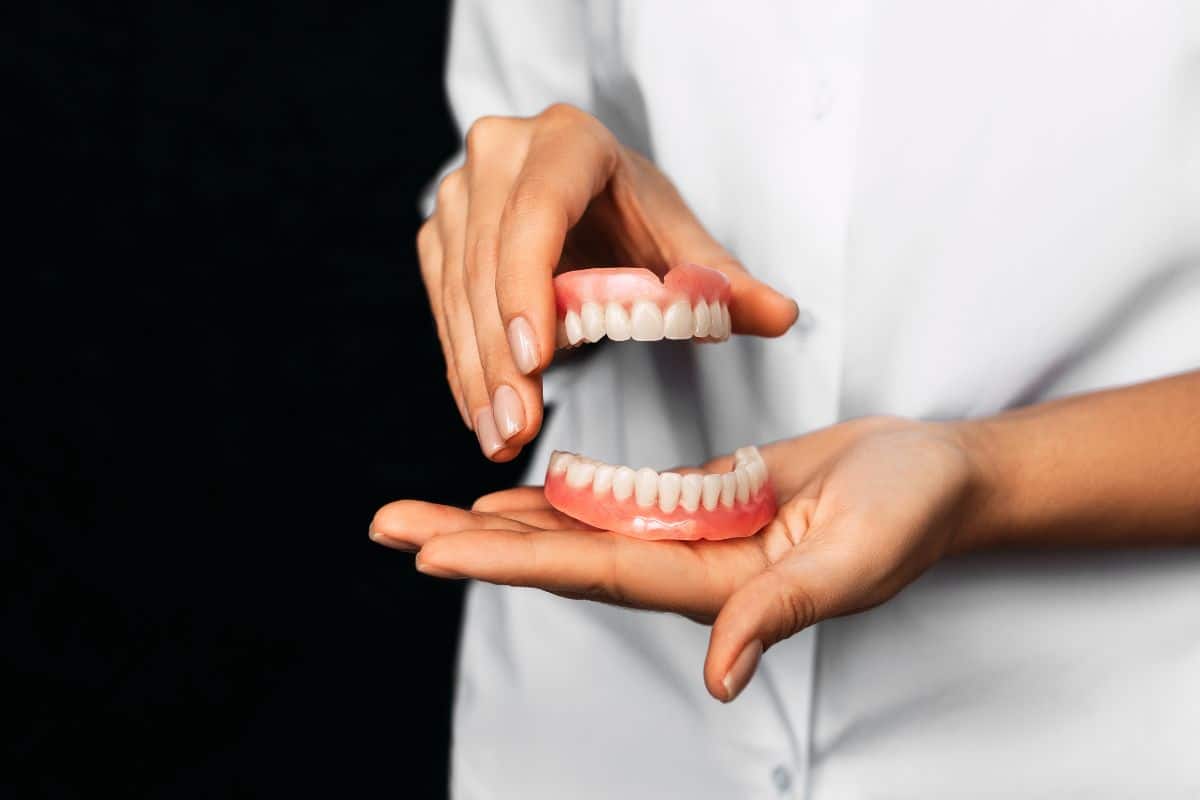
Losing natural teeth can affect your smile, chewing ability, and self-confidence. Fortunately, modern dentistry offers several denture solutions designed to restore oral function and appearance. In this guide, we’ll explore the different types of dentures, their purposes, materials, and the impact they have on oral health. Whether you need a complete replacement or just a few teeth, understanding your options helps you make the right choice for a healthy, comfortable smile.
Full (Complete) Dentures: Restore Your Smile Completely
Full or complete dentures replace all the teeth in your upper or lower jaw. They serve people who have lost most or all of their natural teeth due to decay, gum disease, or injury.
How Full Dentures Work
Complete dentures rest directly on your gums and the underlying bone. Dentists carefully take impressions of your mouth to create a custom-fit denture that ensures optimal comfort, function, and appearance. Proper fit is essential to ensure comfort, chewing function, and natural appearance.
Types of Full Dentures
- Conventional Full Dentures: Made after the gums heal following tooth extraction. It typically takes several weeks of healing before you receive this type of denture.
- Immediate Full Dentures: Placed right after teeth removal, patients can avoid a period without teeth. However, dentists adjust them later for a proper fit as gums heal.
Materials Used
Most full dentures consist of acrylic resin for the base and acrylic or porcelain for the teeth. Acrylic offers a lightweight and natural look, while porcelain provides durability and a lifelike appearance.
Partial Dentures: Perfect for Missing Some Teeth
Partial dentures serve people who are missing only a few teeth. They bridge the gaps in your smile while preventing remaining teeth from shifting out of place.
How Partial Dentures Work
Partial dentures attach to your natural teeth using metal or acrylic clasps. They fill the empty spaces, restoring chewing ability and speech clarity. Your dentist designs partial dentures to fit around your remaining healthy teeth without causing discomfort.
Types of Partial Dentures
- Metal-Based Partial Dentures: These use a metal framework covered with acrylic resin, offering durability and stability.
- Flexible Partial Dentures: Made from softer plastic materials, these provide comfort and a more natural appearance but may not last as long.
Materials Used
Partial dentures combine acrylic, nylon, and metal materials. Acrylic provides affordability, nylon offers flexibility, and metal ensures long-lasting support.
Implant-Supported Dentures: A Secure, Permanent Solution
Implant-supported dentures offer a more stable alternative. They anchor dentures to dental implants surgically placed into the jawbone, preventing slipping and providing superior chewing function.
How Implant-Supported Dentures Work
Dental implants act as artificial tooth roots. After healing, your dentist attaches the denture to the implants, providing strong support and stability. This option works exceptionally well for patients who experience discomfort or poor retention with traditional dentures.
Types of Implant-Supported Dentures
- Bar-Retained Dentures: A thin metal bar connects implants, and the denture clips onto it.
- Ball-Retained Dentures: Ball-shaped connectors secure the denture, allowing easy removal and cleaning.
Materials Used
Dentures supported by implants typically use high-quality acrylic or porcelain teeth with a durable metal framework to ensure lasting strength and a realistic appearance.
Other Types and Key Considerations
Custom vs. Economy Dentures
Custom dentures provide a precise fit, offer superior comfort, and use high-quality materials. Economy dentures are cheaper but may compromise on fit and appearance. Investing in custom dentures promotes better oral health and comfort.
Fixed vs. Removable Dentures
Fixed dentures stay permanently attached to dental implants and offer a natural feel. Removable dentures allow easier cleaning but may require more maintenance and occasional adjustments.
Impact of Dentures on Oral Health
Dentures play a significant role in maintaining proper oral function. They help prevent bone loss, improve speech, restore chewing ability, and support facial structure. However, wearing dentures requires adequate hygiene practices to avoid irritation, gum infections, or further bone loss.
Take the Next Step Toward a Healthy Smile
If you live in Sandy and need help choosing the right denture option for your lifestyle, schedule an appointment today. Our expert team focuses on your comfort, appearance, and long-term oral health. Don’t let missing teeth hold you back. Reclaim your confident smile now.
Frequently Asked Questions
Q: How long do dentures last?
A: With proper care, full and partial dentures typically last between 5 and 10 years before requiring replacement.
Q: Do dentures affect speech?
A: Some adjustment time is normal, but most patients adapt quickly and regain clear speech with properly fitted dentures.
Q: Can I eat normally with dentures?
A: Start with soft foods and avoid sticky or hard foods until you get comfortable with your dentures.