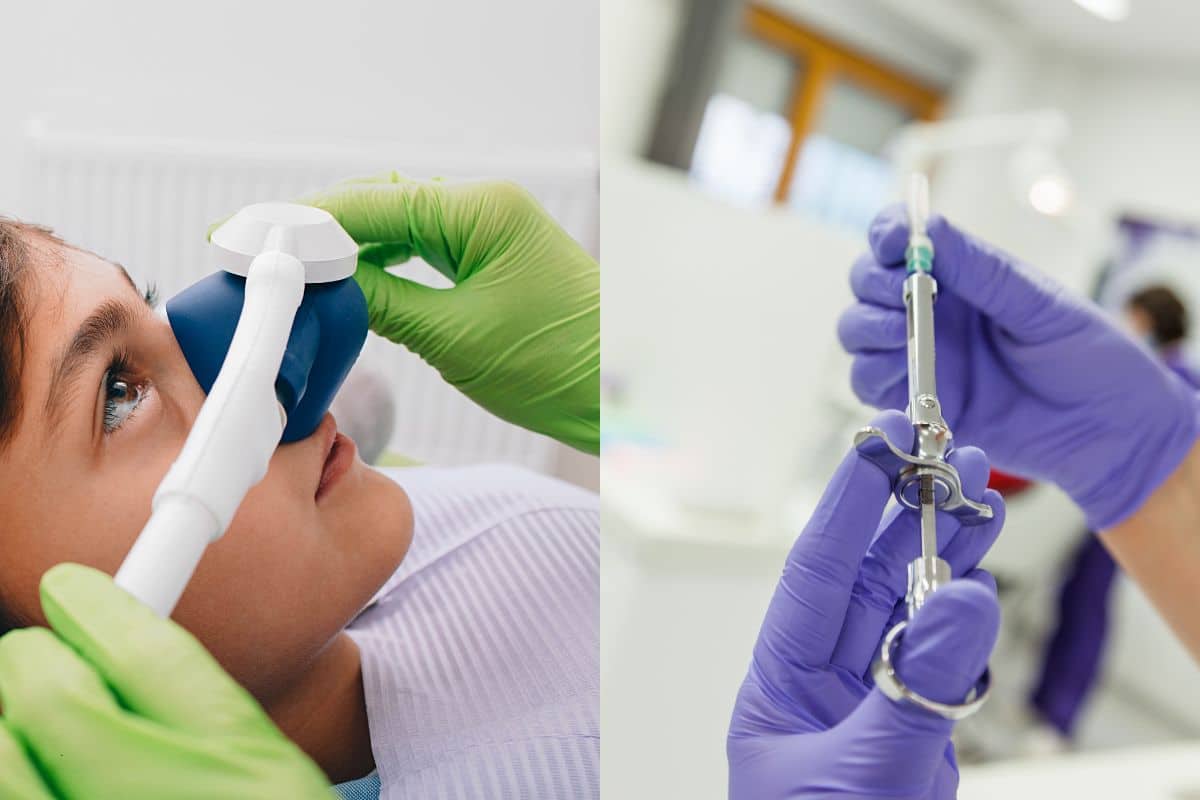
When it comes to dental procedures, anxiety about pain and discomfort can deter many individuals from seeking necessary care. To alleviate these concerns, dentists often offer sedation options, with Oral and IV sedation being among the most common choices. Each method has its advantages and considerations, tailored to meet different patient needs and preferences.
Oral Sedation
Before your visit, you must take a tablet or liquid medication for oral sedation. This type of sedation typically produces a mild to moderate level of relaxation. You’ll still be able to respond to questions and follow instructions, but you may feel drowsy or sleepy.
Benefits of Oral Sedation:
- Convenience: It’s often easier to schedule an appointment with oral sedation, as there’s no need for a healthcare professional to administer the medication.
- Affordability: Oral sedation is generally more affordable than IV sedation.
- Recovery: You can usually drive home after an appointment with oral sedation.
Considerations for Oral Sedation:
- Effectiveness: The effectiveness of oral sedation can vary depending on individual factors, such as your weight and metabolism.
- Timing: You’ll need to plan to ensure that you take the medication at the appropriate time before your appointment.
- Food and Drink: You may be asked to avoid certain foods and drinks before taking oral sedation.
IV Sedation
During IV sedation, medicine is injected through a vein straight into your bloodstream. This method provides a deeper level of sedation, allowing you to become completely relaxed or even fall asleep during your procedure. A healthcare professional will monitor your vital signs throughout the appointment.
Benefits of IV Sedation:
- Effectiveness: IV sedation is highly effective at providing deep relaxation and reducing anxiety.
- Control: Your healthcare provider can adjust the level of sedation as needed to ensure your comfort.
- Rapid Onset: The effects of IV sedation are typically felt within a few minutes.
Considerations for IV Sedation:
- Cost: IV sedation is generally more expensive than oral sedation due to the additional resources required.
- Recovery: You’ll need to arrange for transportation home after an appointment with IV sedation, as you won’t be able to drive.
- Medical History: You may need to undergo a pre-procedure evaluation to determine if IV sedation is safe for you based on your medical history.
Choosing the Right Option for You:
The decision between oral and IV sedation depends on various factors, including the nature of the dental procedure, your medical history, and your level of anxiety. Here are some considerations to discuss with your dentist:
- Procedure Complexity: For more invasive or lengthy procedures, IV sedation might be recommended to ensure your comfort throughout.
- Anxiety Level: If you experience severe anxiety or fear of dental visits, IV sedation might provide more effective relief.
- Medical History: Your dentist will consider your overall health and any medications you’re taking to determine the safest sedation option.
- Recovery Time: Oral sedation may have a longer recovery time compared to IV sedation, which allows for a quicker return to normal activities.
Ultimately, both oral and IV sedation are safe and effective methods for managing anxiety and discomfort during dental procedures. Your dentist near you will work with you to choose the option that best suits your needs, ensuring a positive dental experience and optimal oral health care.
In conclusion, whether you opt for the ease of oral sedation or the precision of IV sedation, the goal remains the same: to ensure your dental visit is as comfortable and stress-free as possible. Sedation dentistry offers solutions to ease anxiety and discomfort. Discuss your preferences and concerns with your dentist to determine the most suitable sedation option for your next dental appointment.