
Losing one or more teeth doesn’t just affect your smile—it can lower your confidence, disrupt your ability to eat and speak, and even impact your overall health. Dental implants provide a reliable, permanent solution that looks, feels, and functions like natural teeth if you’re tired of dealing with uncomfortable dentures or gaps in your smile. But with so many implant options available, how do you know which one is right for you?
In this comprehensive guide, we’ll break down the most effective dental implant solutions so you can make an informed decision and take the first step toward a healthier, more confident smile. Whether you’re struggling with jawbone issues or seeking a long-term replacement for missing teeth, discovering the right implant type could change your life.
What Are Dental Implants?
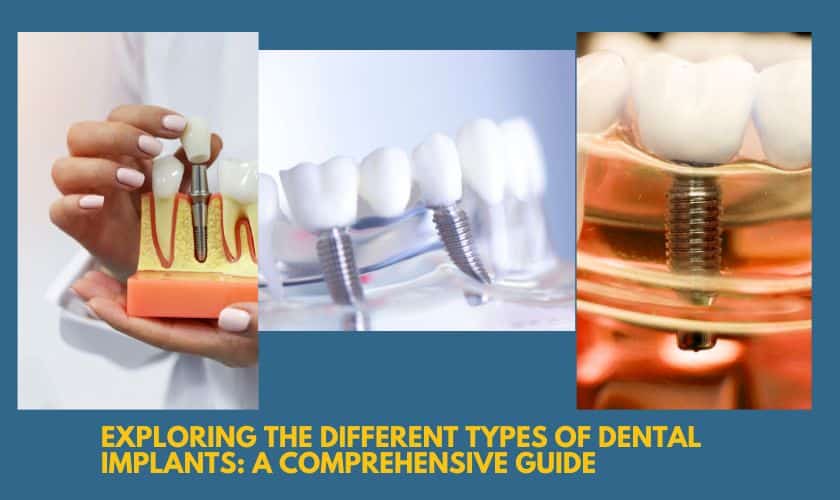
Dental implants serve as permanent tooth roots, surgically placed into your jawbone to support custom-made crowns, bridges, or dentures. Made from reliable materials like titanium and zirconia, these implants offer exceptional strength and biocompatibility. By replacing missing teeth, implants help you chew, speak clearly, and smile with renewed confidence while maintaining your facial structure.
Types of Dental Implants
Experts classify dental implants based on placement and design. The most common types include endosteal, subperiosteal, zygomatic implants, and mini dental implants (MDIs). Understanding these options empowers you to discuss your treatment plan more effectively with your dentist.
1. Endosteal Implants
Endosteal implants represent the most frequently used type of dental implant. Dentists surgically insert them directly into the jawbone, providing a stable foundation for crowns or bridges. They consist of small screws, cylinders, or blades, most commonly made of titanium due to its strength and ability to fuse with bone (osseointegration).
Endosteal implants work well for patients with healthy jawbone density. These implants suit individuals needing one or multiple teeth replaced. Recovery is generally smooth, and the results can last for decades with proper care.
2. Subperiosteal Implants
Subperiosteal implants rest above the jawbone but below the gum tissue. Dentists recommend this type of implant for patients who don’t have enough jawbone height to support traditional endosteal implants. These implants consist of a custom-designed metal framework that sits on the jawbone and provides stable support for prosthetic teeth, eliminating the need for bone grafting procedures.
Patients with severe bone loss often benefit from subperiosteal implants. While less common, this method offers a practical solution when jawbone deterioration makes other implants unfeasible.
3. Zygomatic Implants
Zygomatic implants offer a specialized solution for patients who experience severe jawbone loss, using the cheekbone for secure anchorage when traditional implants aren’t an option. Unlike endosteal and subperiosteal implants, zygomatic implants anchor into the cheekbone (zygomatic bone), bypassing the need for the upper jawbone entirely.
Because of their complexity, dentists typically recommend zygomatic implants for full-arch restorations in patients lacking sufficient bone mass. These implants use longer screws and require highly specialized surgical skills, but they offer excellent long-term stability.
4. Mini Dental Implants (MDIs)
Mini Dental Implants (MDIs) are a smaller version of traditional endosteal implants. They typically use narrower screws, making them less invasive and ideal for patients with thin or fragile jawbones. Dentists often use MDIs to stabilize lower dentures or when bone grafting isn’t necessary.
MDIs appeal to patients seeking a quicker, cost-effective solution with reduced healing time. However, they may not always suit cases requiring extensive tooth replacement or heavy biting forces.
Factors That Influence Implant Choice
Your implant dentist will evaluate your jawbone structure, overall oral health, and lifestyle habits before recommending a specific type of implant. The decision depends heavily on bone quality, the number of missing teeth, and your long-term dental goals.
Using titanium or zirconia materials offers durability, biocompatibility, and corrosion resistance. Titanium remains the gold standard in implantology due to its proven track record, while zirconia appeals to patients seeking metal-free options for improved aesthetics or reduced allergies.
By understanding the types of dental implants available, you can actively participate in your treatment decisions and set realistic expectations.
Why Choose Dental Implants?
Dental implants offer multiple benefits beyond aesthetics. They improve speech clarity, enhance chewing function, prevent bone loss, and support neighboring teeth. Unlike dentures or bridges, implants provide a permanent solution that closely mimics natural teeth. At Canyons Family Dental in Sandy, patients receive personalized implant care focused on restoring long-term function and confidence.
With advancements in dental technology, implant treatment has become more predictable, efficient, and comfortable. Whether you choose a traditional endosteal implant or explore specialized options like zygomatic implants, your dentist will tailor the approach to suit your unique needs and oral health goals.
Schedule Your Implant Consultation in Sandy Today
Are you ready to regain your smile and confidence? Our Sandy dental experts specialize in personalized implant solutions to meet your unique needs. Contact us today to discuss the correct type of dental implant for your situation. Take the first step toward a healthier, more functional smile.
Visit our office at 8706 South 700 East #100, Sandy, UT 84070.
Frequently Asked Questions
Q. How long do dental implants last?
A. Dental implants can last 25 years or more with proper care and regular dental visits.
Q. Is the dental implant procedure painful?
A. Dentists use local anesthesia and sedation options to ensure a comfortable procedure. Most patients experience minimal discomfort.
Q. Who qualifies for dental implants?
A. Patients with good overall health and sufficient jawbone density typically qualify. Your dentist will assess your individual condition.
Q. What is the recovery time for dental implants?
A. Most patients recover in 1 to 2 weeks, with complete osseointegration taking several months.