
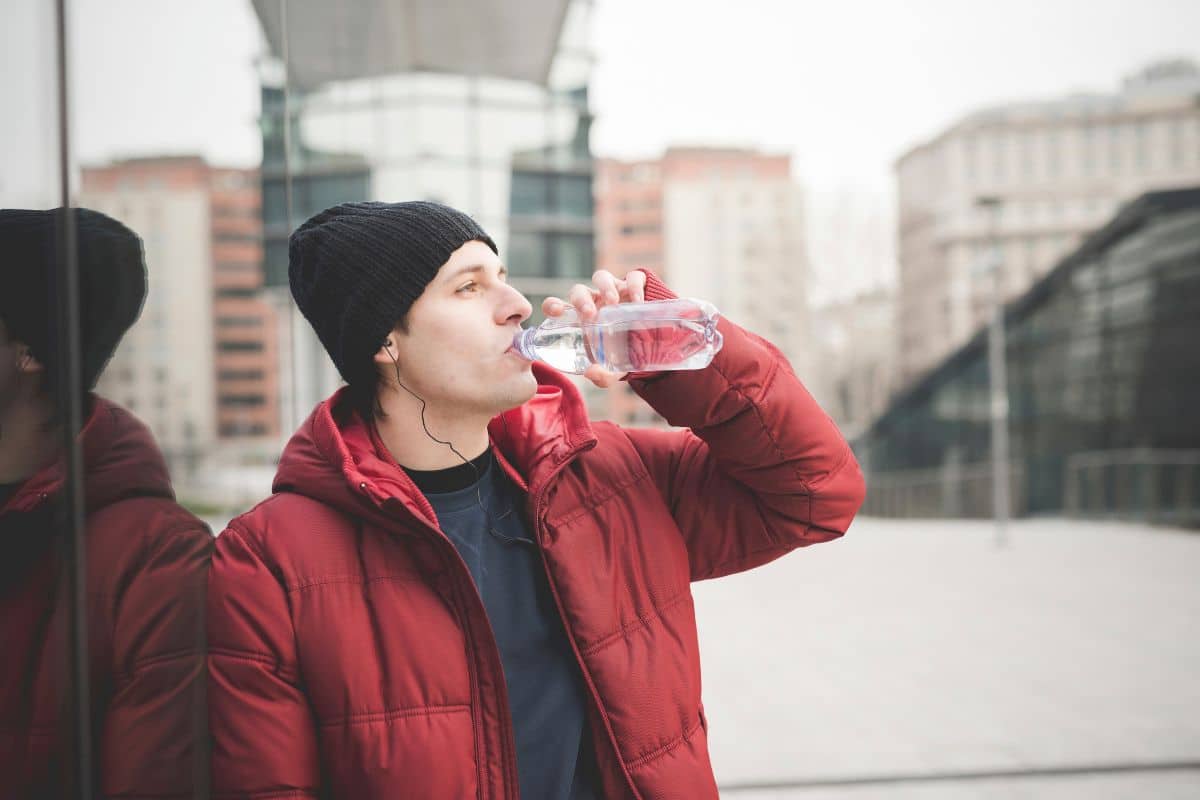
Winter brings cozy sweaters, hot drinks, and holiday cheer—but it also brings dry air, indoor heating, and a higher risk of dehydration. Many people don’t realize that dehydration directly affects their oral health. When you don’t drink enough water in winter, your mouth becomes dry, your saliva production drops, and your risk of cavities, gum disease, and bad breath rises.
Staying hydrated is one of the simplest and most effective ways to protect your teeth and gums during winter. Here’s why hydration matters so much for your oral health—and exactly how you can stay properly hydrated all season long.
Why Winter Increases the Risk of Dehydration
Many people associate dehydration with summer heat, but winter dehydration is just as common—if not more dangerous—because it often goes unnoticed.
Here’s why winter puts your body at higher risk:
- Dry indoor air from heaters pulls moisture from your skin and mouth
- Cold temperatures reduce your natural thirst response
- People tend to drink more coffee, tea, and alcohol, which can dehydrate you
- You’re simply less likely to carry a water bottle in cold weather
These factors silently reduce your body’s hydration levels—and your mouth feels the effects almost immediately.
How Hydration Directly Impacts Your Oral Health
Saliva Production and Its Protective Role
Saliva is your mouth’s natural defense system. It:
- Washes away food particles
- Neutralizes harmful acids
- Prevents enamel erosion
- Controls bacteria levels
When you’re dehydrated, your body produces less saliva, leaving your teeth and gums exposed to bacteria and acid attacks.
Dehydration and Dry Mouth (Xerostomia)
Dry mouth—also called xerostomia—becomes more common in winter due to dehydration and indoor heating. Without enough saliva, bacteria multiply quickly, increasing your risk of:
- Tooth decay
- Gum infections
- Fungal infections
- Persistent bad breath
Dry mouth is not just uncomfortable—it’s a serious oral health risk.
Oral Health Problems Linked to Poor Hydration in Winter
When your body lacks water, your mouth pays the price. Common winter oral health issues linked to dehydration include:
- More frequent cavities
- Inflamed or bleeding gums
- Stronger bad breath
- Increased plaque buildup
- Cracked lips and sore oral tissues
Hydration doesn’t just support your teeth—it keeps your entire mouth ecosystem balanced. Signs You’re Not Drinking Enough Water in Winter
You may be dehydrated if you notice:
- A sticky or dry feeling in your mouth
- Dark yellow urine
- Fatigue or dizziness
- Ongoing bad breath
- Increased gum sensitivity
If these symptoms persist, your oral health may already be under stress.
How Much Water Should You Drink for Healthy Teeth?
For most adults in the U.S., the general recommendation is 8 to 10 cups of water per day, but your needs may be higher if:
- You exercise regularly
- You drink coffee or alcohol
- You take medications that cause dry mouth
- You spend long hours in heated indoor environments
Hydration for Different Age Groups
- Kids & Teens: Needs increase with sports and activity
- Adults: Office heating increases moisture loss
- Seniors: Medications and reduced thirst response raise dehydration risk
Water isn’t just a healthy habit—it’s a daily dental care essential.
Best Hydration Tips for Better Winter Oral Health
Smart Winter Hydration Habits
- Carry a reusable water bottle
- Sip water after every meal
- Set hydration reminders on your phone
- Start your day with a full glass of water
Foods That Help Keep You Hydrated
Many winter-friendly foods boost hydration naturally:
- Oranges
- Apples
- Cucumbers
- Celery
- Broth-based soups
These foods support both hydration and gum health.
What to Limit in Winter
While warm drinks feel comforting, too much can hurt your hydration:
- Coffee
- Alcohol
- Sugary hot cocoa
- Energy drinks
Always follow these with water to protect your teeth.
Hydration Tips for Kids, Adults, and Seniors
Kids & Teens
- Pack a water bottle in school lunches
- Encourage sipping during sports practice
- Avoid sugary winter beverages
Adults
- Keep water at your desk
- Drink water before coffee
- Balance heated office environments with extra fluids
Seniors
- Monitor medication side effects
- Sip water throughout the day
- Use sugar-free lozenges to stimulate saliva if needed
Each age group benefits from hydration—but seniors are especially vulnerable to dry mouth-related dental issues.
How Dentists Treat Dry Mouth in Winter
If hydration alone doesn’t relieve dry mouth, your dentist may recommend:
- Prescription saliva stimulants
- Fluoride treatments
- Medicinal mouth rinses
- Moisturizing oral gels
These treatments reduce the risk of cavities and help restore comfort during the winter months.
When Should You See a Dentist for Dry Mouth?
Schedule a dental visit if you experience:
- Dry mouth lasting longer than two weeks
- Bleeding gums
- A burning sensation in the mouth
- Frequent new cavities
- Pain when chewing or swallowing
Persistent dryness is a warning sign—not just a seasonal nuisance.
Winter Hydration Myths That Can Hurt Your Smile
- “Hot drinks hydrate enough.” Most caffeinated drinks actually dehydrate you.
- “You only need water when you’re thirsty.” Thirst often appears after dehydration starts.
- “Dry mouth is harmless.” It significantly increases your risk of cavities and infections.
Book Your Winter Oral Health Checkup Today
If winter dry mouth, frequent cavities, or gum discomfort are affecting your smile, it may be time for a professional checkup. At Canyons Family Dental, we help Sandy residents protect their oral health with personalized preventive care. Take the first step toward a healthier winter smile—find us on Google Maps and schedule your visit today.
Frequently Asked Questions (FAQ):
Does dehydration cause cavities?
Yes. Dehydration reduces saliva, which typically washes bacteria away and neutralizes acids. With less saliva, plaque builds up faster, and cavities form more easily.
Is dry mouth more common in winter?
Yes. Cold weather, indoor heating, and lower water intake make dry mouth especially common during the winter months.
Can staying hydrated prevent bad breath?
Absolutely. Water flushes odor-causing bacteria from your mouth and supports healthy saliva flow, the primary natural defense against bad breath.
What drinks hydrate without harming teeth?
Plain water, herbal teas, and low-sugar electrolyte drinks are tooth-friendly hydration choices.
How fast does dehydration affect oral health?
Even mild dehydration can reduce saliva within hours, allowing bacteria to multiply and raise your cavity risk the same day.