
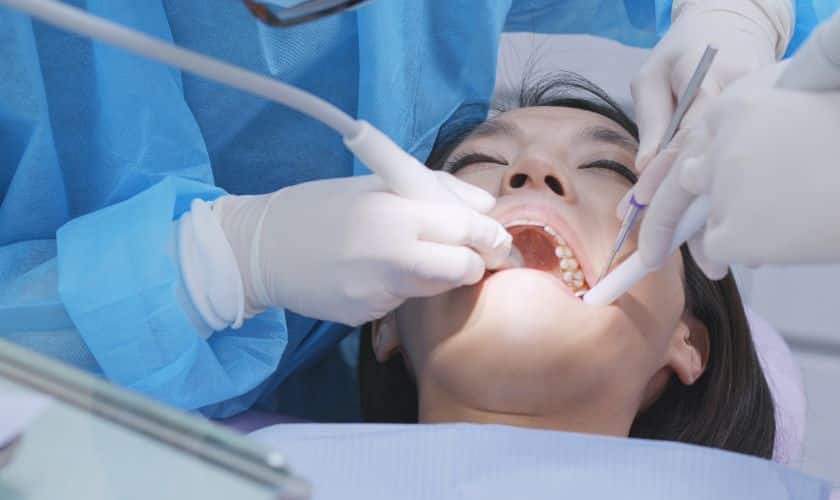
Maintaining optimal oral health requires more than just daily brushing and flossing. Regular dental cleanings play a crucial role in preventing dental issues and ensuring your smile stays healthy. But, how frequently should you schedule these cleanings? Understanding the importance of routine dental visits can help you stay on top of your oral care.
The Importance of Regular Dental Cleanings
Dental cleanings involve the removal of plaque, tartar, and stains that accumulate on your teeth over time. Plaque is a soft, sticky layer of germs that builds on your teeth and gums. If not removed, it can harden into tartar, leading to potential issues such as cavities, gum disease, and bad breath.
Routine cleanings also allow your dentist to monitor your oral health and catch any problems early. This preventative strategy can assist in avoiding bigger problems in the future.
General Guidelines for Dental Cleanings
Most dental professionals recommend visiting the dentist for a cleaning every six months. This guideline is based on several factors:
- Prevention of Plaque Buildup: Plaque can start to harden into tartar within 24 to 72 hours. Regular cleanings help prevent this buildup and the associated risks.
- Early Detection of Issues: Frequent cleanings allow your dentist to identify early signs of dental problems, such as cavities or gum disease, before they become more severe.
- Personal Oral Health Needs: Your unique oral health needs might require adjustments to the standard recommendation. Factors such as your oral hygiene habits, dietary choices, and genetic predisposition to dental issues can influence the frequency of your cleanings.
Special Considerations for Different Needs
While every six months is a common recommendation, certain conditions might necessitate more frequent visits:
- Gum Disease: If you have a history of gum disease, your dentist might suggest more frequent cleanings to manage and improve your condition.
- Orthodontic Treatment: If you are undergoing orthodontic treatment, such as braces, you may need more frequent cleanings to address the challenges of maintaining oral hygiene around braces.
- High Risk for Dental Issues: Individuals with a higher risk for dental problems, including those with diabetes or a tendency to develop cavities, might benefit from more regular cleanings.
Benefits of Regular Cleanings
Regular dental cleanings offer several benefits beyond the removal of plaque and tartar:
- Improved Oral Health: Cleanings help keep your gums healthy, reduce the risk of cavities, and prevent bad breath.
- Enhanced Aesthetics: Professional cleanings remove stains and leave your teeth looking brighter and more polished.
- Overall Health: Good oral health contributes to overall well-being. Research shows a link between gum disease and various systemic conditions, such as heart disease and diabetes.
Conclusion
To keep your smile healthy and vibrant, aim for dental cleanings every six months. This routine care can prevent plaque buildup, allow early detection of dental issues, and support your overall health. However, personal needs and conditions might require adjustments to this timeline. Consult with your professional dentist in Sandy to determine the best schedule for your dental cleanings based on your unique oral health needs.
By prioritizing regular dental cleanings, you invest in the long-term health of your teeth and gums, ensuring that your smile remains bright and healthy for years to come