
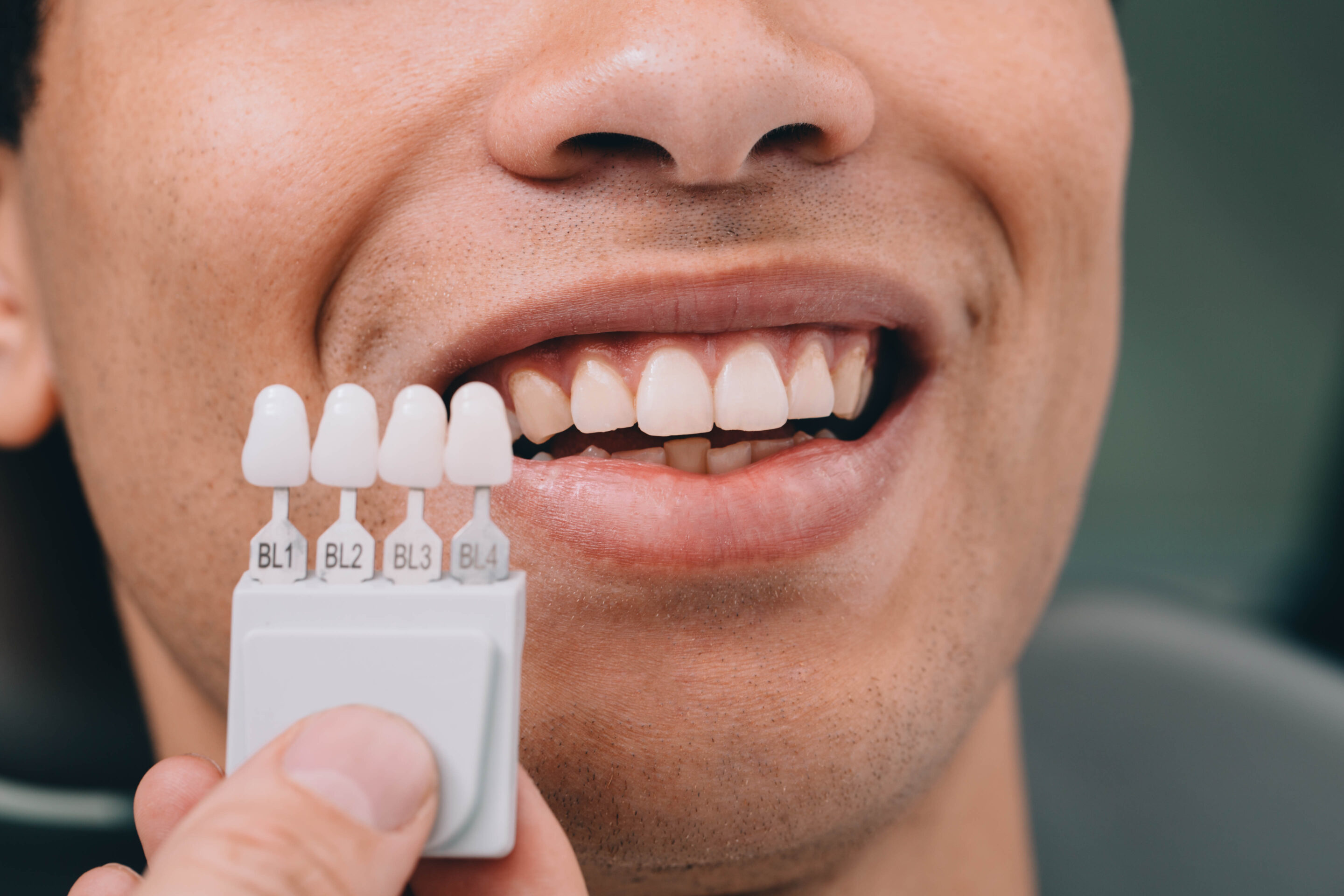
When patients in Sandy, UT want a better-looking smile, two options come up often: veneers and dental bonding. Both can transform chipped, stained, or uneven teeth. But they differ in cost, durability, and how much tooth structure they require. If you’re weighing Veneers vs Bonding: Which Smile Fix Actually Lasts Longer Sandy residents can trust, this guide breaks it down clearly.
At Canyons Family Dental Sandy, Dr. David Powell helps patients choose the right cosmetic solution every day. This article gives you the honest comparison you need to make a confident decision.
What Are Veneers and How Do They Work?
Veneers are thin porcelain or composite shells bonded to the front of your teeth. They permanently change the shape, size, and color of your smile. Porcelain veneers are custom-made in a dental lab and require two appointments. They are a popular choice for Cosmetic Dentistry Sandy patients who want long-lasting, dramatic results.
To place veneers, Dr. Powell removes a small layer of enamel from the tooth surface. This step makes the process irreversible. The trade-off is a natural-looking, stain-resistant finish that can last 10 to 15 years or more with proper care.
Composite veneers are a less invasive alternative. They cost less but may not last as long as porcelain. Both types dramatically improve your smile’s appearance.
What Is Dental Bonding and Who Is It Best For?
Dental bonding uses a tooth-colored resin applied directly to the tooth surface. The dentist sculpts it by hand, then hardens it with a special light. It is one of the fastest and most affordable cosmetic treatments available. Most bonding procedures take just one appointment.
Bonding works well for minor chips, small gaps, or mild discoloration. It requires little to no removal of natural tooth enamel. This makes it a completely reversible treatment in most cases. Patients who want a quick fix without a major commitment often prefer bonding.
However, bonding is more prone to staining and chipping over time. It typically lasts between 4 and 8 years before it needs repair or replacement. Patients who grind their teeth should discuss options like Root Canal Therapy Sandy and protective solutions before choosing bonding.
Veneers vs Bonding: A Direct Comparison for Sandy Patients
Understanding the key differences helps you make the right choice. Here is a side-by-side look at both treatments across the factors that matter most.
- Longevity: Veneers last 10–15+ years. Bonding lasts 4–8 years.
- Cost: Veneers cost more upfront. Bonding is a lower initial investment.
- Invasiveness: Veneers require enamel removal. Bonding is minimally invasive.
- Appearance: Veneers offer a more polished, uniform look. Bonding blends well but can stain.
- Reversibility: Veneers are permanent. Bonding can often be removed or replaced.
- Repair: Bonding is easier and cheaper to repair. Veneers need full replacement if damaged.
The right choice depends on your specific goals and dental health. Dr. Powell evaluates each patient individually to recommend the best path forward.
Which Option Lasts Longer — and Is It Worth the Cost?
Porcelain veneers clearly win the longevity battle. With good oral hygiene, they can last 15 years or longer. They resist staining from coffee, tea, and red wine far better than bonding resin. Over the long term, veneers may actually cost less when you factor in fewer replacements.
Dental bonding costs significantly less upfront. However, you may need touch-ups or full replacements more frequently. For younger patients or those still deciding on their ideal smile, bonding can be a smart starting point. It lets you preview a result before committing to veneers.
Here are situations where each option makes the most sense:
- Choose veneers if: You want lasting results, your teeth have significant discoloration, or you are ready for a complete smile transformation.
- Choose bonding if: You have a small chip or gap, you want a reversible option, or you need a budget-friendly solution right now.
- Discuss further if: You grind your teeth, have gum issues, or need structural dental work before cosmetic treatment.
Neither option is universally better. The best choice is the one that fits your smile goals, timeline, and budget.
What Sandy Patients Should Know Before Choosing
Your overall dental health plays a major role in which treatment is appropriate. Veneers are not recommended if you have untreated decay or gum disease. Dr. Powell always addresses underlying dental concerns first. Healthy teeth are the foundation of any lasting cosmetic result.
Teeth grinding, known as bruxism, can shorten the lifespan of both veneers and bonding. Wearing a night guard protects your investment and your natural enamel. This is especially important in Sandy, where many busy adults carry stress that shows up as nighttime grinding.
Your lifestyle also matters. If you drink a lot of staining beverages or smoke, bonding will discolor faster than porcelain. Porcelain veneers hold their color much better over time. Discussing your daily habits with Dr. Powell helps him guide you toward the right solution.
A consultation at Canyons Family Dental Sandy is the best first step. Dr. Powell will examine your teeth, discuss your goals, and present a personalized treatment plan. You will leave knowing exactly which option suits you best.
Frequently Asked Questions
How long do veneers last compared to dental bonding?
Porcelain veneers typically last 10 to 15 years or more with proper care. Dental bonding usually lasts 4 to 8 years before it needs repair or replacement. Veneers offer a longer-lasting solution overall.
Is dental bonding a good option for front teeth?
Yes, bonding works very well on front teeth for minor chips, gaps, or discoloration. It is quick, affordable, and looks natural when done correctly. However, bonding may stain over time and requires more maintenance than veneers.
Do veneers damage your natural teeth?
Placing porcelain veneers requires removing a thin layer of enamel from the tooth surface. This makes the process irreversible. However, the amount removed is minimal, and veneers protect the remaining tooth structure afterward.
Can dental bonding be replaced with veneers later?
Yes. Many patients start with bonding and later upgrade to veneers when they are ready. Because bonding is minimally invasive, transitioning to veneers later is straightforward. Dr. Powell can help you plan a phased approach that fits your timeline and budget.
Which is better for stained teeth — veneers or bonding?
Veneers are the better choice for teeth with significant or deep staining. Porcelain resists future staining much better than composite resin. For mild surface stains, professional whitening or bonding may be sufficient, but veneers deliver more consistent and lasting color correction.
Whether you are leaning toward veneers or bonding, Dr. David Powell and the team at Canyons Family Dental Sandy are here to help you decide with confidence. Book Now to schedule your appointment with our team.