
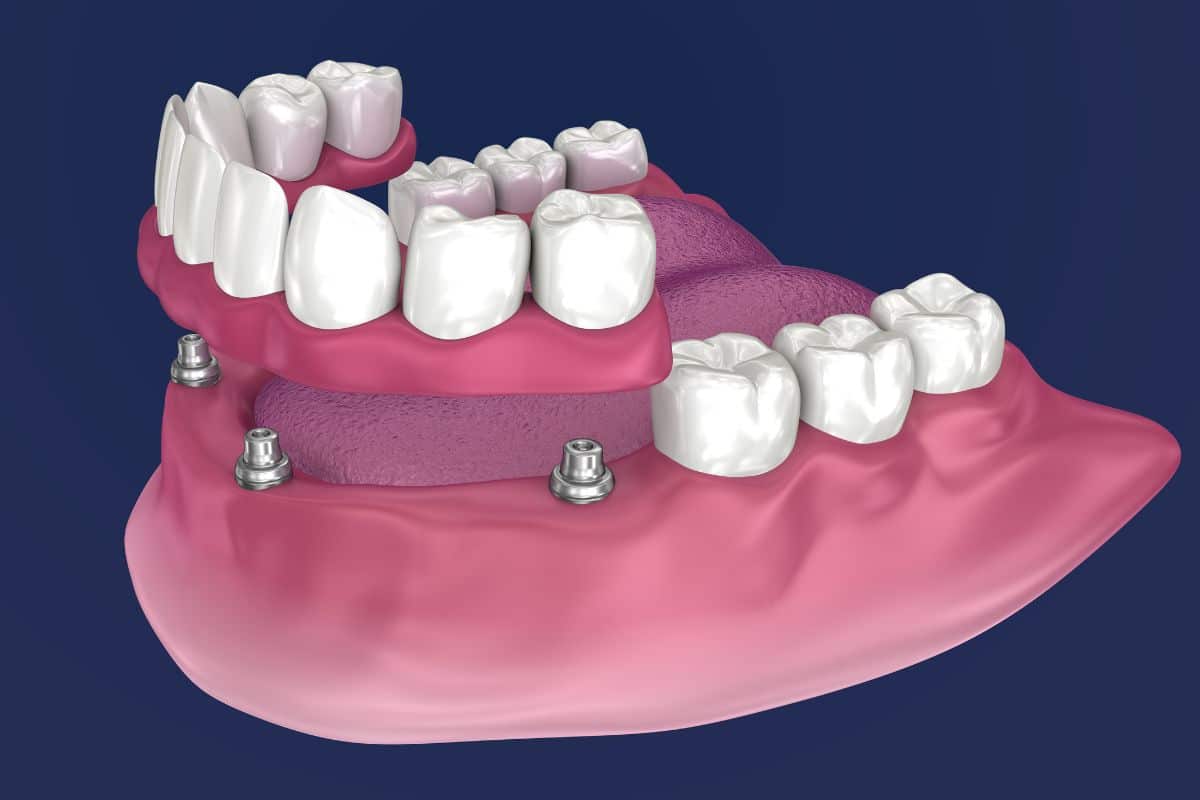
All-on-4 dental implants have revolutionized how people with missing teeth regain their smile and oral functionality. But what if you have experienced significant bone loss? Is this life-changing procedure still an option for you? Let’s explore how All-on-4 implants work, why they’re a solution for those with bone loss, and what steps you can take to determine if they’re right for you.
What Are All-on-4 Dental Implants?
All-on-4 dental implants replace a full arch of missing teeth using just four strategically placed implants. Instead of placing one implant for each missing tooth, dentists attach a complete set of fixed teeth to four implants for maximum stability.
Unlike traditional dentures, All-on-4 implants:
- Stay permanently in place
- Look and function like natural teeth
- Prevent further bone loss
- Allow you to eat, talk, and smile with confidence
Many patients even receive temporary teeth the same day as their procedure.
Bone Loss and Dental Implants
Bone loss is a common concern for people considering dental implants. This condition often occurs after tooth loss because the jawbone needs stimulation from natural tooth roots to maintain its density and structure. Without this stimulation, the bone gradually resorbs, leading to shrinkage over time.
Proper anchoring of traditional dental implants requires a certain level of bone density. This often necessitates bone grafting, a surgical procedure to build up the jawbone before placing implants. While bone grafting can be effective, it adds extra time and expense.
How All-on-4 Implants Address Bone Loss?
The All-on-4 technique is specifically designed to accommodate patients with bone loss. Its innovative approach minimizes the need for bone grafting in many cases. Here’s how:
Angled Implants for Stability: By placing the posterior implants at an angle, dentists can take advantage of the denser bone at the front of the jaw and avoid areas where bone loss is more severe.
Strategic Placement: The All-on-4 system uses specific jaw regions where bone density remains intact, even in patients who have experienced significant bone resorption.
Immediate Load Functionality: Unlike traditional implants, which often require months of healing before attaching prosthetic teeth, All-on-4 implants allow immediate placement of a temporary arch. This eliminates the waiting period and reduces stress in areas with low bone density.
Are You a Candidate for All-on-4 Implants?
The best way to determine if you’re a candidate for All-on-4 implants is through a consultation with a dental implant specialist. During the evaluation, the dentist will:
Examine Your Oral Health: They will assess your gums, remaining teeth, and jawbone to ensure you’re healthy for the procedure.
Use Advanced Imaging: 3D imaging, such as a cone beam CT scan, allows the dentist to view detailed images of your jawbone. This helps them identify areas with sufficient bone density for implant placement.
Discuss Your Medical History: Certain medical conditions, medications, or lifestyle factors may influence your eligibility for dental implants.
Options for Severe Bone Loss
If your bone loss is too extensive for even the All-on-4 implant method, you still have options:
Zygomatic Implants: These implants anchor into the cheekbone (zygoma) instead of the jawbone, providing a solution for patients with extreme bone loss.
Bone Grafting: While not always necessary for All-on-4, bone grafting remains an option for those who want to improve their jawbone structure.
The Benefits of All-on-4 Implants
For those with bone loss, All-on-4 implants offer several advantages:
-
- Restored ability to chew and speak comfortably.
- Stimulating the jawbone helps prevent further bone loss.
- A natural-looking, permanent smile.
- Faster results compared to traditional implants.
If you’ve been hesitant about dental implants due to bone loss, it’s time to explore the possibilities of All-on-4 implants. With advancements in dental technology, even those with significant bone resorption can achieve a confident, functional smile.
Consult an experienced implant dentist in Sandy to learn more about your options. Start your journey to a transformed smile today!
FAQs:
Is All-on-4 better than traditional implants for bone loss?
Yes. Traditional implants usually require bone grafting, while All-on-4 often uses your existing bone structure.
How much bone is needed for All-on-4?
All-on-4 requires far less bone than traditional implants because the implants anchor into denser areas of the jaw.
Does bone loss shorten the lifespan of implants?
No. When properly placed, All-on-4 implants remain stable for decades—even in patients with prior bone loss.
Are All-on-4 implants painful?
Most patients experience minimal discomfort and return to normal activities within a few days.
Is All-on-4 Right for You If You Have Bone Loss?
If you’ve been told you don’t qualify for traditional dental implants, All-on-4 may still be the solution you’ve been waiting for. A personalized 3D scan and consultation can determine your exact candidacy—often with same-day results.