
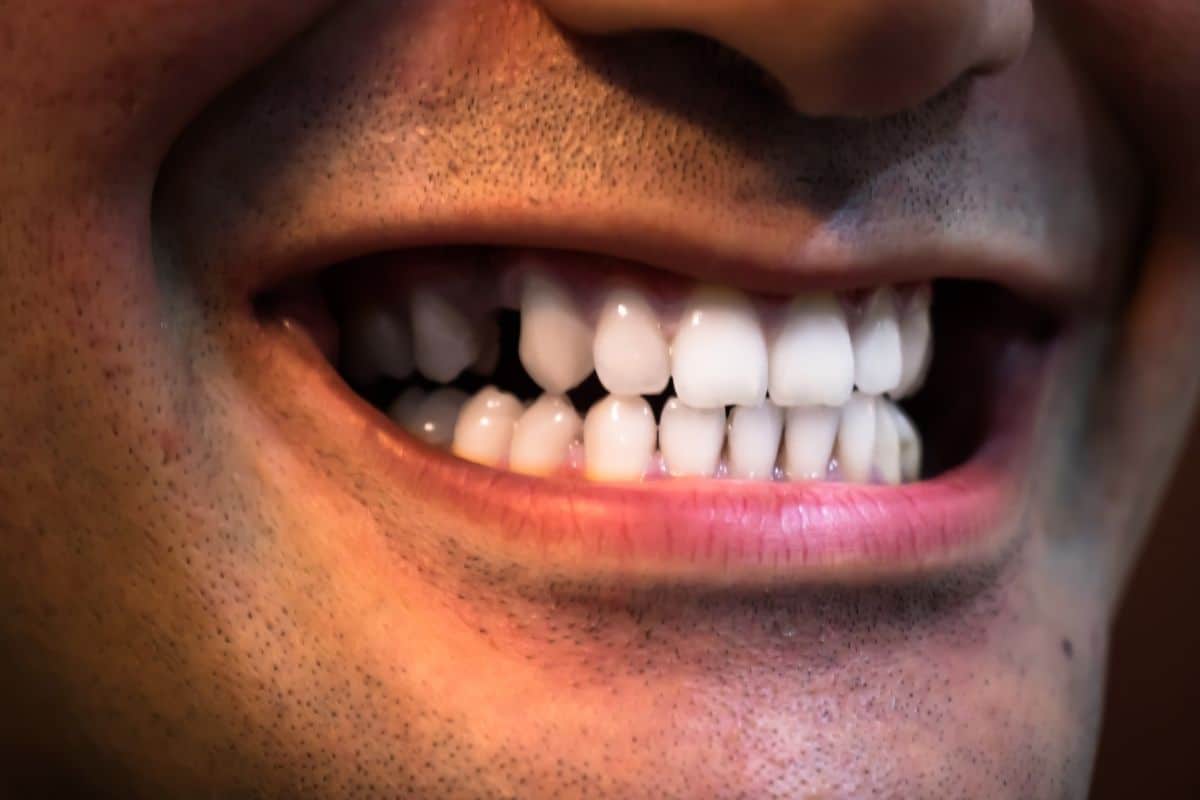
A healthy, confident smile can make everyday interactions feel more comfortable, whether you are meeting new people, attending social events, or taking photos with family and friends around Sandy and nearby communities like Draper, Midvale, and South Jordan. For patients looking to improve small imperfections without extensive dental treatment, Cosmetic Bonding offers a simple and natural-looking option. This minimally invasive procedure can repair chips, close small gaps, improve tooth shape, and refresh the appearance of stained or uneven teeth in just one visit. Understanding how the process works can help you decide whether this treatment may be the right fit for your smile goals.
A Simple Way to Refresh Your Appearance
Even minor dental flaws can affect the way people feel about their smiles. Small chips, worn edges, discoloration, or uneven spacing may seem noticeable when talking or smiling. Dental bonding is designed to improve these concerns using a tooth-colored composite resin that blends naturally with surrounding teeth.
The material is carefully shaped and polished to create a smoother, more balanced appearance. Because the treatment preserves most of the natural tooth structure, many patients appreciate that it is conservative and comfortable compared to more involved cosmetic procedures.
In many cases, little to no anesthesia is needed, and treatment can often be completed during a single appointment.
Common Smile Concerns This Treatment Can Address
Dental bonding is versatile and can improve several cosmetic issues at once. Dentists often recommend it for patients with healthy teeth and gums who want subtle yet noticeable improvements.
Some common concerns bonding may help correct include:
- Small chips or cracks
- Minor gaps between teeth
- Uneven tooth edges
- Teeth that appear too short or worn down
- Surface stains that do not respond well to whitening
- Slightly misshapen teeth
- Areas of exposed root caused by gum recession
Because the resin is color-matched to your existing teeth, the results typically look natural and blend seamlessly into your smile.
What Happens During the Procedure?
Many patients are surprised by how straightforward the bonding process can be. The appointment usually begins with selecting a resin shade that closely matches the natural enamel.
Next, the tooth surface is gently prepared so the material can bond securely. The dentist then applies the composite resin, carefully shaping and sculpting it to achieve the desired appearance. Once the shape is finalized, a special curing light hardens the material. The tooth is then polished to create a smooth finish that resembles natural enamel.
The process is designed to be efficient while still producing detailed cosmetic improvements. Patients can often return to normal activities immediately after treatment.
Why Patients Often Choose This Option
Dental bonding continues to be popular because it offers several practical benefits for individuals seeking smile improvements without extensive dental work.
Conservative Treatment Approach
Unlike some restorative procedures, bonding usually requires minimal alteration of the natural tooth. Preserving healthy enamel is an important advantage for many patients.
Natural-Looking Results
Modern composite materials are designed to mimic the color and texture of natural teeth. When properly placed and polished, bonded teeth can appear virtually indistinguishable from surrounding enamel.
Efficient Appointments
Busy patients often appreciate treatments that fit into their schedules. Bonding is commonly completed in one visit, making it convenient for those balancing work, school, and family responsibilities.
Comfortable Experience
Most patients report little discomfort during treatment. Since bonding is minimally invasive, anesthesia may not be necessary unless the procedure is also addressing decay or structural damage.
How Long Can Bonded Teeth Last?
With proper care, bonded teeth can remain in good condition for several years. Longevity depends on factors such as oral hygiene habits, diet, and whether patients grind or clench their teeth.
To help maintain results, dentists typically recommend:
- Brushing twice daily with a soft-bristle toothbrush
- Flossing every day
- Limiting habits like chewing ice or biting pens
- Scheduling regular dental cleanings and exams
- Wearing a nightguard if teeth grinding is present
Although the composite material is durable, it is not as stain-resistant as some other cosmetic restorations. Red wine, coffee, tea, and tobacco products may gradually discolor bonded areas over time.
Understanding When Bonding May Not Be Ideal
While bonding is effective for many cosmetic concerns, it may not be the best solution for every situation. Larger fractures, severe tooth damage, advanced decay, or significant bite issues may require alternative treatments.
A dental evaluation helps determine whether bonding is appropriate based on the condition of the teeth, gums, and overall oral health. Some patients may benefit more from treatments such as veneers, crowns, or orthodontic care, depending on their goals and clinical needs.
Patients interested in cosmetic dentistry in Sandy often appreciate learning about all available options before making a decision about smile improvements.
Caring for Your Smile After Treatment
Maintaining bonded teeth is similar to caring for natural teeth. Consistent oral hygiene and preventive care play a major role in preserving both appearance and function.
Patients are usually encouraged to avoid using their teeth as tools to open packages or bite hard objects. These habits can increase the risk of chipping the bonded material.
Regular dental visits also allow dentists to monitor bonded areas and make small touch-ups if needed over time.
A Comfortable Option for Small Smile Improvements
For many people, improving a smile does not always require extensive treatment. Dental bonding offers a practical solution for correcting small imperfections while preserving the natural structure of the teeth. Whether addressing chips, uneven edges, or discoloration, this treatment can help patients feel more confident about their appearance with minimal downtime.
If you are considering ways to enhance your smile and want to learn more about your options, contact us today to schedule a consultation with Canyon Family Dental.