Dental implants have transformed how we replace missing teeth, offering a permanent, natural-looking solution that can last a lifetime. But here’s something many patients don’t realize until after their consultation: dental implant healing doesn’t happen in isolation. Your body’s overall health plays a massive role in whether your implant integrates successfully or struggles to take hold.
If you smoke or have diabetes, you’re not automatically disqualified from getting implants. However, you do need to understand how these two conditions uniquely challenge the healing process and what you can do about it. At Canyons Family Dental Sandy, serving the Sandy, UT 84070 community, we believe informed patients make the best decisions for their long-term oral health.
Why Dental Implant Healing Is Different from Other Procedures
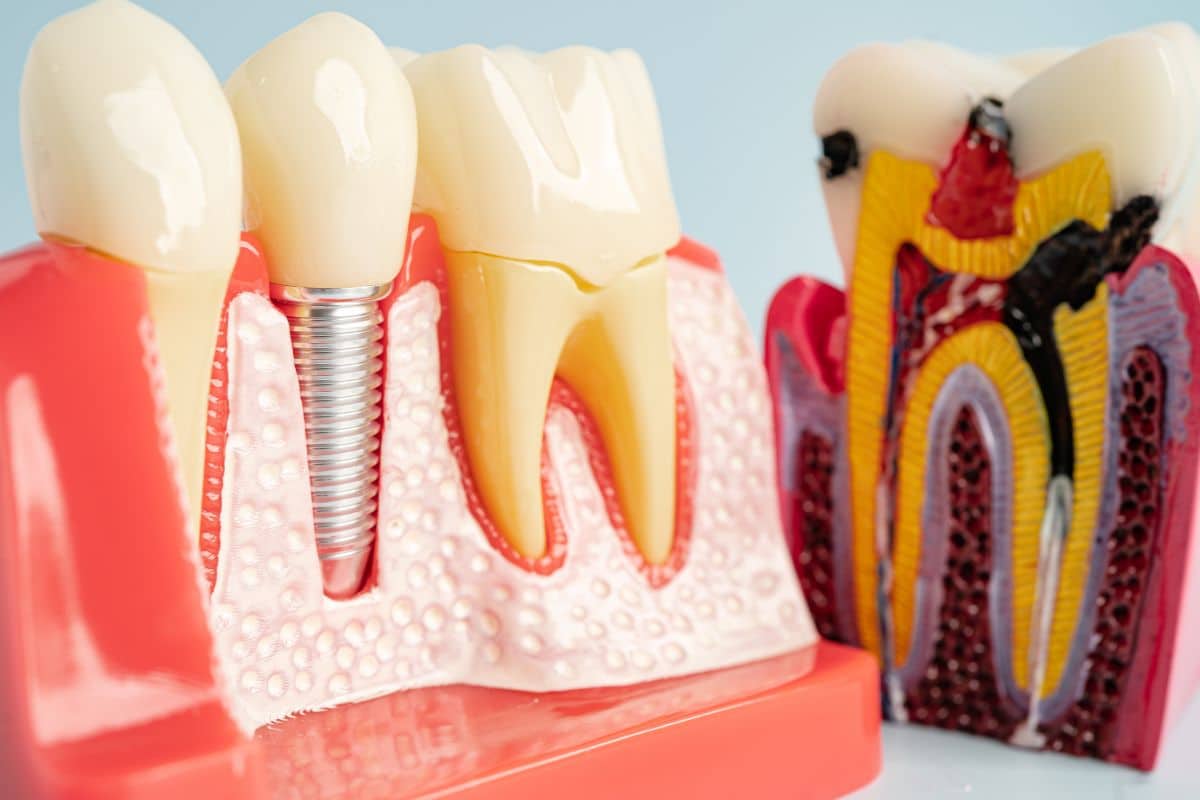
An implant is a titanium post surgically placed into your jawbone. For it to succeed, a biological process called osseointegration must occur; your bone tissue must fuse directly with the implant surface over several months.
This process requires:
- Healthy blood flow to the surgical site
- A well-functioning immune system
- Adequate bone density and tissue regeneration
- Low levels of inflammation
When smoking or diabetes enters the picture, each of these requirements can be disrupted in significant ways.
How Smoking Compromises Dental Implant Healing
The Science Behind Smoking and Oral Wounds
Cigarette smoke contains over 7,000 chemicals, many of which directly interfere with the body’s healing mechanisms. Nicotine causes blood vessels to constrict, which means less oxygen and fewer healing nutrients reach the implant site.
Additionally, smoking:
- Reduces saliva production, creating a drier oral environment prone to bacterial growth
- Impairs white blood cell activity, weakening your immune response
- Slows collagen production, the protein essential for gum tissue repair
- Introduces heat and toxins that damage soft tissue around the implant
What the Research Shows
Studies consistently show that smokers have significantly higher implant failure rates than non-smokers. Some research suggests failure rates can be two to three times higher in active smokers. The risk is especially elevated in the early months following surgery, when osseointegration is most fragile.
Even smokeless tobacco and vaping products carry risks. The chemicals in e-cigarettes still affect blood flow and immune response in ways that can undermine healing.
What Smokers Can Do
If you smoke, the most impactful step you can take is to stop smoking at least two weeks before your procedure and ideally throughout the entire healing period (typically three to six months). Your implant specialist at Canyons Family Dental Sandy can help you explore smoking cessation resources before scheduling your procedure.
How Diabetes Affects Dental Implant Healing
The Connection Between Blood Sugar and Bone Healing
Diabetes, particularly when poorly controlled, creates a body-wide environment that slows healing in multiple ways. High blood glucose levels affect circulation, immune function, and collagen synthesis, all of which are critical to successful implant integration.
In practical terms, diabetes can cause:
- Delayed wound healing at the gum and bone level
- Increased infection risk, since elevated sugar supports bacterial growth
- Reduced bone density, which can weaken the implant’s foundation
- Peripheral neuropathy that may mask pain signals, making complications harder to detect early
Type 1 vs. Type 2 Diabetes: Does It Matter?
Both types carry risks, but the degree of blood sugar control matters far more than the type of diabetes itself. Patients with well-managed HbA1c levels (a measure of long-term blood sugar control, ideally below 7–8%) often achieve implant success rates comparable to non-diabetic patients.
Poorly controlled diabetes, on the other hand, dramatically increases the likelihood of complications including implant failure, peri-implantitis (infection around the implant), and delayed osseointegration.
What Diabetic Patients Can Do
Work closely with both your primary care physician and your dental team. Before any implant procedure:
- Get your HbA1c tested and discuss results with your doctor
- Optimize blood sugar management in the weeks leading up to surgery
- Discuss antibiotic protocols with your dentist, as preventive antibiotics may be recommended
- Schedule more frequent follow-up visits during the healing phase
With the right preparation, many patients with well-controlled diabetes successfully receive dental implant healing and enjoy long-term results.
When Both Factors Are Present
Patients who both smoke and have diabetes face compounded risks. Each condition independently undermines healing; together, they create a significantly more challenging environment for osseointegration.
This doesn’t make implants impossible, but it does mean more rigorous pre-surgical preparation, tighter post-operative monitoring, and often a longer treatment timeline. Honest conversation with your dental provider is essential. At Canyons Family Dental Sandy, we take time to review your full medical history and set realistic expectations before recommending implants because your long-term success matters more than a quick yes.
Steps You Can Take Right Now
Whether you smoke, have diabetes, or both, here’s a practical checklist to improve your implant outcomes:
- Quit or Reduce Smoking: Stop smoking, or significantly reduce it, at least 2 weeks before surgery and throughout the healing period.
- Manage Blood Sugar Levels: Keep your blood sugar well-controlled and bring your latest HbA1c results to your consultation.
- Practice Good Oral Hygiene: Brush twice a day, floss daily, and use an antimicrobial mouth rinse as recommended.
- Attend All Follow-Up Visits: Keep every scheduled appointment so your dentist can monitor healing and address any concerns early.
- Eat a Healthy Diet: Stay hydrated and consume nutrient-rich foods to promote faster healing and tissue repair.
- Share Your Medication List: Inform your dentist about all medications, including insulin, diabetes medications, and supplements that may affect healing.
Your Questions, Answered
Can I still get dental implants if I’m a smoker?
Yes, in most cases, but quitting or significantly reducing smoking before and during healing greatly improves your chances of success. Your dentist will discuss realistic expectations with you based on your smoking history.
How well-controlled does my diabetes need to be before getting implants?
Most dental providers look for an HbA1c of 7–8% or lower before proceeding. Your dental team will coordinate with your physician to confirm you’re ready for the procedure safely.
How long does dental implant healing take for someone with diabetes or who smokes?
Healing timelines can be longer than average, sometimes six months to a year compared to three to six months for lower-risk patients. Your provider will monitor your progress closely and adjust as needed.
What are the signs that my implant isn’t healing properly?
Warning signs include persistent pain beyond the first week, swelling that worsens rather than improves, unusual discharge, or a feeling of looseness around the implant. Contact your dentist promptly if you notice any of these.
Is it too late to quit smoking before my implant procedure?
It’s never too late, but the sooner the better. Even stopping a week or two before surgery can improve blood flow to the surgical site. Stopping for the entire healing period gives you the best possible outcome.
Ready to Take the Next Step?
At Canyons Family Dental Sandy in Sandy, UT 84070, we work with patients of all health backgrounds to find the best path forward, including those managing diabetes or working to quit smoking. Our team will give you an honest, personalized assessment of your dental implant candidacy and help you prepare for the best possible outcome.
Schedule your consultation today and take the first step toward a healthier, more confident smile. Our friendly team is here to answer your questions and build a treatment plan tailored specifically to you.